 Talmud Bavli
Nazir 62b : Youtube
Daf TubeYoutube
2 video classes :
Nazir Page 62b
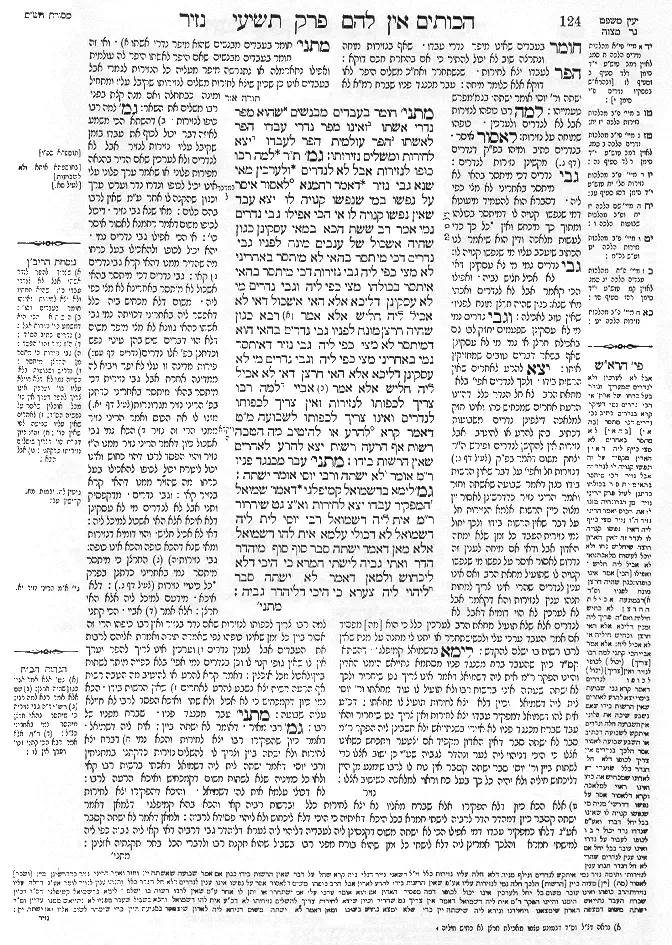
Nazir 62b - Guemara
מתני׳ חומר בעבדים מבנשים שהוא מפר נדרי אשתו ואינו מפר נדרי עבדו הפר לאשתו הפר עולמית הפר לעבדו יצא לחירות ומשלים נזירותו:
גמ׳ ת"ר למה רבו כופו לנזירות אבל לא לנדרים ולערכין מאי שנא גבי נזיר דאמר רחמנא (במדבר ל, ג) לאסור איסר על נפשו במי שנפשו קנויה לו יצא עבד שאין נפשו קנויה לו אי הכי אפילו גבי נדרים נמי אמר רב ששת הכא במאי עסקינן כגון שהיה אשכול של ענבים מונח לפניו גבי נדרים דכי מיתסר בהאי לא מיתסר באחריני לא מצי כפי ליה גבי נזירות דכי מיתסר בהאי איתסר בכולהו מצי כפי ליה וגבי נדרים מי לא עסקינן דליכא אלא האי אשכול דאי לא אכיל ליה חליש אלא אמר רבא כגון שהיה חרצן מונח לפניו גבי נדרים בהאי הוא דמיתסר לא מצי כפי ליה גבי נזיר דאיתסר נמי באחריני מצי כפי ליה וגבי נדרים מי לא עסקינן דליכא אלא האי חרצן דאי לא אכיל ליה חליש אלא אמר אביי למה רבו צריך לכפותו לנזירות ואין צריך לכפותו לנדרים ואינו צריך לכפותו לשבועה מ"ט דאמר קרא (ויקרא ה, ד) להרע או להיטיב מה הטבה רשות אף הרעה רשות יצא להרע לאחרים שאין הרשות בידו:
מתני׳ עבר מכנגד פניו ר"מ אומר לא ישתה ורבי יוסי אומר ישתה:
גמ׳ לימא בדשמואל קמיפלגי דאמר שמואל המפקיר עבדו יצא לחירות וא"צ גט שיחרור ר"מ אית ליה דשמואל רבי יוסי לית ליה דשמואל לא דכולי עלמא אית להו דשמואל אלא מאן דאמר ישתה סבר סוף סוף מיהדר הדר ואתי גביה לישתי חמרא כי היכי דלא ליכחוש ולמאן דאמר לא ישתה סבר ליהוי ליה צערא כי היכי דליהדר גביה:
Comments from Rashi on Masechet Nazir Page 62b
מתני' חומר בעבדים מבנשים שהוא מיפר נדרי אשתו . ואי זה חומר בעבדים מבנשים שאם היפר לאשתו היפר לה עולמית ואפילו נתארמלה או נתגרשה מיפר מעליה כל הנזירות לגמרי אבל בעבדים אינו כן שכיון שיצא לחירות משלים לנזירותו שקיבל עליו ומתחיל ומונה כבתחלה ואם מנה קצת בפני רבו משלים את השאר: גמ' למה רבו כופו לנזירות . דהשתא הכי משמע לאיזה דבר יכול לכוף את עבדו בזמן שקיבל עליו נזירות לנזיר אבל לא לנדרים ולא לערכין שאם הדיר בהנאה מפירות פלוני או שאמר ערך פלוני עלי אינו יכול לכופו ונדרו נדר וערכו ערך וכגון שהקנה לו אחר ע"מ שאין לרבו בהם כלום: מאי שנא גבי נזיר . דיכול לכופו משום דאמר רחמנא לאסור איסר כו': אי הכי אפילו גבי נדרים נמי . יהא יכול לכופו ולהאכילו בעל כרחו מה שהדיר ממנו דהאי קרא גבי נדרים קאי: גבי נדרים דכי מיתסר בהאי אשכול לא מיתסר באחרינא לא מצי כפי ליה . משום דלא מכחיש ביה כלל דאפשר ליה באחריני דכוותה נמי גבי אשתו כהאי גוונא לא מצי מיפר משום דלא הוי דברים שיש בהן עינוי נפש וכדתנן בפ' אלו נדרים (נדרים דף עט:) פירות מדינה זו עלי לא יפר ויביא לה ממדינה אחרת אבל גבי נזירות דכי מיתסר בהאי מיתסר באחריני כדתנן בפ' הריני נזיר מגרוגרות (לעיל נזיר דף יא.) מזגו לו את הכוס ואמר הריני נזיר ממנו הרי זה נזיר הכא נמי גבי אשכול כיון דאמר הריני נזיר ממנו ה"ז נזיר והוי הפסד לרבו דהוי כחוש ואינו יכול ליטרח יכול לכופו להאכילו בעל כרחו מה שהזיר ממנו דהאי קרא בנזיר קאי: וגבי נדרים . מדקפסיק ותני אבל לא לנדרים מי לא עסקינן דלא איכא אלא האי אשכול למיכל ליה: דאי לא אכיל חליש . והוי דומיא דנזירות ומאי שנא דהכא כופה והכא אינו כופה: גבי נזירות . החרצן כי מיתסר מיתסר נמי באחריני כדתנן בפרק כל כינויי נזירות (לעיל נזיר דף ג.): דלא איכא . מידעם למיכל ליה אלא האי חרצן: אלא אמר אביי . הכי קתני למה רבו צריך לכפותו לנזירות שאם נדר בנזיר ואין רבו כופהו הרי זה אסור ביין כל זמן שאינו כופהו לפי שאמרה תורה ואמרת אליהם לרבות את העבדים אבל לענין נדרים וערכין אינו צריך להפר וערך אין לו שאין גופו קנוי לו וכן בנדרים נמי אפי' בלא כפייה מותר לשתות ביין ולאכול מכל אוכלין: דאמר קרא להרע או להיטיב מה הטבה רשות אף הרעה רשות יצא נשבע להרע לאחרים שאין הרשות בידו . הכא נמי כיון דקמכחיש כי לא אכיל ולא שתי ואיכא הפסד לרבו לא חיילא עליה שבועה: מתני' עבר מכנגד פניו . שברח מפניו של רבו: גמ' רבי מאיר . דאומר לא ישתה ביין: אית ליה דשמואל . דאמר כיון שהפקירו רבו יצא לחירות והכא נמי דברח יצא לחירות ולא ישתה ביין וצריך לו להשלים נזירות כדקתני במתניתין ורבי יוסי דאמר ישתה לית ליה דשמואל דאכתי ברשות רבו קאי ולאו כל כמיניה שלא לשתות משום דקמכחיש ואיכא הרעה לרבו: לא דכולי עלמא אית להו דשמואל . והיכא דהפקירו יצא לחירות אלא הכא כיון דלא הפקירו אלא שברח מאליו לא יצא לחירות כלל וברשות רביה קאי והכא בהא קמיפלגי דלמאן דאמר ישתה קסבר כיון דמהדר הדר לרביה לישתי חמרא בכל היכא דאיתיה כי היכי דלא ליכחוש ולא ליהוי פסידא לרביה: ולמאן דאמר לא ישתה . קסבר אע"ג דלאו כמפקיר עבדו דמי אפילו הכי לא ישתה משום דקנסינן ליה לעבדיה דליהוי ליה צערא דליהדר גבי דרביה דאי קאי ליה גביה כפי ליה למישתי חמרא והלכך אמרינן ליה דלא לישתי כל זמן שהוא בורח מפני רבו בשביל שהוא תקנת רבו ולדברי הכל בתר תקנתיה אזלינן:
Comments from Tosafot - Nazir 62b
חומר בעבדים שאינו מיפר נדרי עבדו . שאף בנזירות מוחה ונתרצה שוב לא יכול להתיר כי אם בהתרת חכם דוקא: הפר לעבדו יצא לחירות . שנשתחרר ואח"כ משלים היפר לאו דוקא אלא כלומר מיחה: למה רבו כופהו לנזירות אבל לא לנדרים ולערכין . כופהו שמוחה על נזירות: לאסור איסר . בנדרים כתיב ומיהו בפ"ק דנדרים (דף ג.) מקשינן נזירות לנדרים: גבי נדרים דכי מיתסר בהאי לא מיתסר באחריני לא מצי כפי ליה . דסברא הוא להעמיד מיעוטא דמי שנפשו קנויה לו דמיתסר בכולהו ומתוך כך מיכחש ואין כל כך כדי לעשות מלאכה ודין הוא שיאמר לנו הכתוב שיעכב עליו מי שנפשו קנויה לו: כגון שהיה חרצן מונח לפניו . שאין טוב לאכילה: וגבי נדרים נמי מי לא עסקינן . שפעמים יחזק לבו גם באכילת חרצן אי נמי מי לא עסקינן שאף בשאר דברים טובים שמחזיקין אותו: גבי נדרים נמי מי לא עסקינן דאי לא אכיל חליש לביה . ואפילו הכי קאמר אבל לא לנדרים ואכתי מאי שנא: יצא להרע לאחרים שאין הרשות בידו . ולכך לנדרים אפי' בלא מחאת הרב לא חל הנדר כלל דהיינו הרעת אחרים שמכחיש כחו ואינו חזק למלאכה דילפינן נדרים משבועות דכתיב בהן להרע או להיטיב אבל נזירות אין להקישן לנדרים ופירש ה"ר יצחק משום דאמר בפ"ק (לעיל נזיר דף ג:) דנזירות חל ואפי' על דבר שאין הרשות בידו כגון דאמר שבועה שאשתה וחזר ואמר הריני נזיר כדדרשינן לאסור יין מצוה כיין הרשות אלמא הנזירות חל על דבר שאין הרשות בידו ולכך יחול נמי נזירות העבד כל זמן שלא ימחה האדון אבל ודאי אם מיחה לענין זה נדרוש לאסור איסר על נפשו מי שנפשו קנויה לו שתועיל מחאת הרב ואם אינו ענין לנדרים שהרי אינו צריך למחות תנהו ענין לנזירות והא דקאמר אבל לא לערכין לא הוי דומיא דאבל לא לנדרים אלא שלא תועיל מחאת הרב לערכין כלל כי הוא [מה] מפסיד אם אמר העבד ערכי עלי ולכשישתחרר או יתנו לו מתנה על מנת שאין לרבו רשות בו ישלם להקדש: עבר מכנגד פניו שברח רמ"א לא ישתה ור' יוסי אומר ישתה . בגמ' מפרש טעמייהו: לימא בדשמואל קמיפלגי . דהשתא קס"ד כיון שהעבד ברח מכנגד פניו מסתמא נתייאש הימנו האדון והיינו הפקר ר"מ אית ליה דשמואל דאמר אינו צריך גט שיחרור ולכך לא ישתה שעתה אינו ברשות רבו ולא תועיל לו עוד מחאתו ור' יוסי לית ליה דשמואל וכיון דלא יצא לחירות תועיל לו מחאתו: דכ"ע אית להו דשמואל דמפקיר עבדו יצא לחירות ואין צריך גט שיחרור והאי עבד שברח מכנגד פניו לא איירי בשנתייאש ולא חשבינן ליה הפקר ר"מ סבר לא ישתה סבר דאין האדון מקפיד אם יצטער ויתכחש כשאינו אצלו כי היכי דניהוי ליה צער ונהדר לגביה שע"י כן ישוב אצלו כדי לשתות ביין ור' יוסי סבר ישתה קסבר אין נוח לו לרבו שימנע מן היין דליכחוש חיליה ולא יהיה כל כך בעל כח וראוי למלאכה כשישוב אצלו:
Nazir 62b - Mishnah translated into english
MISHNA: The previous mishna taught that the naziriteship of women includes a stringency that does not apply to slaves. This mishna adds: There is a greater stringency in the case of slaves than in the case of women, as a man can nullify the vows of his wife but he cannot nullify the vows of his slave, despite the fact that he can prevent him from fulfilling them in practice. Similarly, if he nullified the naziriteship of his wife it is permanently nullified, and it remains nullified even if she is later divorced or widowed. Conversely, if he nullified the naziriteship of his slave by forcing him to violate the terms of his vow of naziriteship, when the slave is emancipated he completes his naziriteship.
GEMARA: The Sages taught (Tosefta 6:4): With regard to what matter can his master force a slave? With regard to naziriteship. However, he cannot force his slave in the case of other vows and valuations. This baraita is apparently saying that a master cannot prevent his slave from fulfilling the terms of a vow.
The Gemara asks: What is different with regard to a nazirite that a master can force his slave to transgress his naziriteship, as the Merciful One states: “To bind his soul with a bond” (Numbers 30:3), from which it is inferred that the Torah is referring only to one whose soul is in his possession, i.e., who is not owned by another; this excludes a slave, whose soul is not in his possession because he is under his master’s control. If so, then even with regard to vows that same halakha should apply as well, as that verse is written in the context of vows in general, not specifically vows of naziriteship. Why is a master unable to compel his slave to break a vow?
Rav Sheshet said: With what are we dealing here? With a case where a cluster of grapes was placed before the slave and he vowed not to derive benefit from it. With regard to vows, when he is prohibited from eating this cluster he is not rendered prohibited from eating others; therefore, the master cannot force him to eat it, as he has no reason to insist that the slave consume this particular cluster of grapes.
By contrast, with regard to naziriteship, when he is prohibited from eating this cluster he is rendered prohibited from consuming all others; therefore, the master can force him to eat. This is because the lack of food weakens the slave, who is the property of his master. The Gemara asks: And with regard to vows, are we not dealing even with a situation where he has only this cluster before him and he vows not to eat it, in which case if he does not eat it he is weakened? Why can’t the master compel him to eat the grapes in this case?
Rather, Rava said that the difference between vows of naziriteship and other vows concerns a case where there was a grape seed, which provides only negligible nourishment, that was placed before the slave, and he vowed not to eat it. With regard to vows, concerning which he is prohibited to eat only this one seed, the master cannot force him to eat it, as refraining from eating a grape seed would not weaken him. With regard to a nazirite, who is prohibited from consuming other grape products as well, the master can force him.
The Gemara again asks: And with regard to vows, are we not dealing even with a situation where he has only this grape seed in front of him, in which case if he does not eat it he would be weakened? Why, then, can the master compel him to violate only his naziriteship vow but not a regular vow?
Rather, Abaye said that the baraita does not in fact list cases in which a master can compel his slave to violate his vow, but rather means the following: With regard to what situation is a master who wants to negate his slave’s vow required to force his slave to violate his vow by stating explicitly that he does not want him to fulfill it? It is the case of a vow of naziriteship. But he is not required to force him in the case of other vows and he is not required to force him in the case of an oath, as these do not take effect at all.
What is the reason for this? It is as the verse states with regard to oaths: “Or if anyone swear clearly with his lips to do evil, or to do good” (Leviticus 5:4). Just as the “good” mentioned in this verse is referring to a voluntary action, so too the “evil” is voluntary, e.g., if he takes an oath not to derive benefit from an item. This excludes a slave, whose oath or vow would cause evil to others, as it is not in his power to affect his master adversely. Therefore, his statement is invalid. Here too, as the owner will suffer if his slave’s diet is restricted, a slave may not accept a vow or an oath upon himself.
MISHNA: In a case where a slave took a vow of naziriteship but was prevented by his master from fulfilling the terms of his vow, the Sages engaged in a dispute what the halakha would be if he permanently left his master’s presence, i.e., he ran away without being emancipated. Rabbi Meir says: He may not drink wine. Since the slave is free in practice, his vow goes into effect. And Rabbi Yosei says: He may drink wine, as he is not emancipated.
GEMARA: The Gemara suggests: Shall we say that Rabbi Meir and Rabbi Yosei disagree with regard to the following statement of Shmuel? As Shmuel said: With regard to one who renounces ownership of his slave, the slave is emancipated, and he does not require a bill of manumission. This halakha indicates that if a slave is free in practice, he no longer requires a bill of manumission but is automatically considered a freeman.
The Gemara asks: If so, should one say that Rabbi Meir is of the opinion that the ruling is in accordance with the opinion of Shmuel, and therefore the slave is obligated in naziriteship as soon as he runs away, like any other freed slave, and Rabbi Yosei is of the opinion that the ruling is not in accordance with the opinion of Shmuel?
The Gemara rejects this suggestion: No, it is possible that everyone is of the opinion that the ruling is in accordance with the opinion of Shmuel. Rather, the mishna is referring to a case where the master refused to declare the runaway ownerless, and was intent on recovering him. Consequently, the slave is not in fact a freeman at all, and the tanna’im disagree with regard to the following: Rabbi Yosei, the one who says that he may drink wine, maintains that the slave will ultimately return and come back to his master, and therefore it is preferable for him to drink wine so that he should not be weakened by the time he returns. And according to Rabbi Meir, the one who says that he may not drink wine, he maintains that it is better that the slave should suffer by being deprived of wine, so that he will return to his master, as the desire to drink wine will spur him to return.
Traduction : The William Davidson digital edition of the Koren Noé Talmud, with commentary by Rabbi Adin Even-Israel Steinsaltz.