 Talmud Bavli
The learning on the whole site is dedicated : L'ilui Nishmat אסתר בת חיים
The learning on the whole site is dedicated : L'ilui Nishmat Margalit bat Ledicia
The learning on the whole site is dedicated : For the success of Elyahou ben H'anna & family
Ketubot 93b : Youtube
Daf TubeYoutube
1 video class :
Ketubot Page 93b
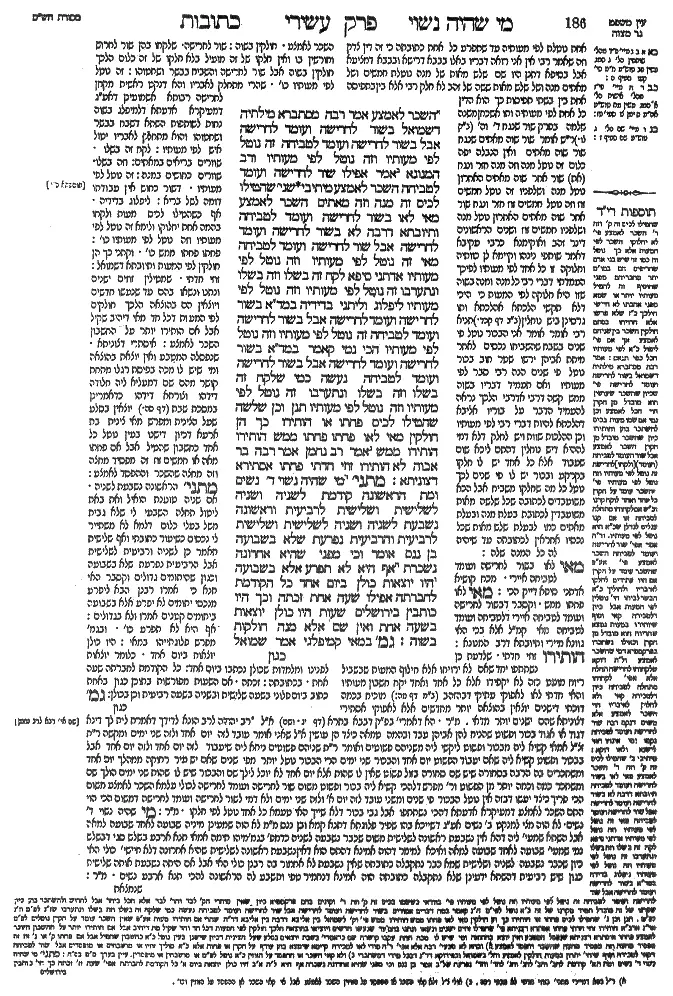
Ketubot 93b - Guemara
השכר לאמצע אמר רבה מסתברא מילתיה דשמואל בשור לחרישה ועומד לחרישה אבל בשור לחרישה ועומד לטביחה זה נוטל לפי מעותיו וזה נוטל לפי מעותיו ורב המנונא אמר אפילו שור לחרישה ועומד לטביחה השכר לאמצע מיתיבי שני' שהטילו לכיס זה מנה וזה מאתים השכר לאמצע מאי לאו בשור לחרישה ועומד לטביחה ותיובתא דרבה לא בשור לחרישה ועומד לחרישה אבל שור לחרישה ועומד לטביחה מאי זה נוטל לפי מעותיו וזה נוטל לפי מעותיו אדתני סיפא לקח זה בשלו וזה בשלו ונתערבו זה נוטל לפי מעותיו וזה נוטל לפי מעותיו ליפלוג וליתני בדידיה במד"א בשור לחרישה ועומד לחרישה אבל בשור לחרישה ועומד לטביחה זה נוטל לפי מעותיו וזה נוטל לפי מעותיו הכי נמי קאמר במד"א בשור לחרישה ועומד לחרישה אבל בשור לחרישה ועומד לטביחה נעשה כמי שלקח זה בשלו וזה בשלו ונתערבו זה נוטל לפי מעותיו וזה נוטל לפי מעותיו תנן וכן שלשה שהטילו לכיס פחתו או הותירו כך הן חולקין מאי לאו פחתו פחתו ממש הותירו הותירו ממש אמר רב נחמן אמר רבה בר אבוה לא הותירו זוזי חדתי פחתו אסתירא דצוניתא:
מתני׳ מי שהיה נשוי ד' נשים ומת הראשונה קודמת לשניה ושניה לשלישית ושלישית לרביעית וראשונה נשבעת לשניה ושניה לשלישית ושלישית לרביעית והרביעית נפרעת שלא בשבועה בן ננס אומר וכי מפני שהיא אחרונה נשכרת אף היא לא תפרע אלא בשבועה היו יוצאות כולן ביום אחד כל הקודמת לחברתה אפילו שעה אחת זכתה וכך היו כותבין בירושלים שעות היו כולן יוצאות בשעה אחת ואין שם אלא מנה חולקות בשוה:
גמ׳ במאי קמיפלגי אמר שמואל
Comments from Rashi on Masechet Ketubot Page 93b
השכר לאמצע . חולקין בשוה: שור לחרישה . שלקחו בהן שור לחרוש וחורשין בו ואין חלקו של זה מועיל בלא חלקו של זה כלום הלכך חולקין בשוה אבל שור לחרישה והשביח בבשר ושחטוהו: זה נוטל לפי מעותיו כו' . שהרי מתחלק לאבריו והא דנקט ראשית מקחן לחרישה רבותא אשמועינן דאע"ג דמעיקרא אדעתא דלמיפלג בשוה נחות לשותפות השתא דשבח בבשר ושחטוהו והוא מתחלק לאבריו יטול איש לפי מעותיו: לקח זה בשלו . שוורים בריאים במאתים: וזה בשלו . שוורים כחושים במנה: זה נוטל לפי מעותיו . דשור כחוש אין עבודתו דומה לשל בריא: ליפלוג בדידיה . אף כשהטילו לכיס מעות ולקחו בהמה אחת יחלוקו ולימא זה נוטל לפי מעותיו וזה נוטל לפי מעותיו כו': פחתו פחתו ממש כו' . וקתני כך הן חולקין לפי המעות ותיובתא דשמואל: זוזי חדתי . שמטילין זוזים ישנים ונתנו ונשאו בהם עד שנעשו חדשים ויוצאין הם בהוצאה הלכך חולקים לפי המעות דכל חד מאי דיהיב שקיל אבל אם הותירו יותר על החשבון השכר לאמצע: איסתרי דצוניתא . שנפסלה המטבע ואין יוצאת בהוצאה ומי שיש לו מכה בפיסת רגלו מתחת קושר מהם שם דמעליא ליה חלודה דידהו וצורתא דידהו כדאמרינן במסכת שבת (דף סה.) יוצאין בסלע שעל הצינית ומפרש מאי צינית בת ארעא דכיון דישנו בעין נוטל כל אחד כחשבון שהטיל אבל אם פחתו מאה או חמשים זוז זה מפסיד מחצה וזה מחצה שהשכר וההפסד לאמצע: מתני' הראשונה נשבעת לשניה . אם שניה טוענת הואיל ואת באת ליטול תחלה השבעי לי שלא גבית משל בעלי כלום דלמא לא משתייר לי נכסים כשיעור כתובתי ואף שלישית תאמר כן לשניה ורביעית לשלישית אבל הרביעית נפרעת שלא בשבועה וכגון שהיתומים גדולים וקסבר האי תנא כי אמרו רבנן הבא ליפרע מנכסי יתומים לא יפרע אלא בשבועה ביתומים קטנים אמרו ולא בגדולים: מתני' הראשונה נשבעת לשניה . אם שניה טוענת הואיל ואת באת ליטול תחלה השבעי לי שלא גבית משל בעלי כלום דלמא לא משתייר לי נכסים כשיעור כתובתי ואף שלישית תאמר כן לשניה ורביעית לשלישית אבל הרביעית נפרעת שלא בשבועה וכגון שהיתומים גדולים וקסבר האי תנא כי אמרו רבנן הבא ליפרע מנכסי יתומים לא יפרע אלא בשבועה ביתומים קטנים אמרו ולא בגדולים: אף היא לא תפרע כו' . ובגמ' מפרש פלוגתייהו במאי: היו כולן יוצאות ביום אחד . כלומר יוצאות לפנינו ומלמדות שכולן נכתבו ביום אחד: כל הקודמת לחברתה שעה אחת . בכתובתה: זכתה . אם השעות מפורשות בתוכן כגון באחת כתוב ביום פלוני בשעה שלישית ובשניה בשעה רביעית וכן בכולן:
Comments from Tosafot - Ketubot 93b
מאי לאו בשור לחרישה ועומד לטביחה איירי . מכח קושיא אדתני סיפא דייק הכי: מאי לאו פחתו ממש . וקסבר דבשור לחרישה ועומד לטביחה איירי דלטביחה ועומד לטביחה מאי קמ"ל אלא בכי האי גוונא מיירי ותיובתא דרב המנונא: הותירו זוזי חדתי . שלדעת כן נשתתפו יחד שאם לא ירויחו אלא חילוף המעות שבשביל ריוח מועט כזה לא יקפידו אלא כל אחד ואחד יקח חשבון מעותיו והאי חדתי לאו לאפוקי עתיקי דבהזהב (ב"מ דף מה:) מוכיח בכמה דוכתי דישנים יוצאין בהוצאה יותר מחדשים אלא לאפוקי אסתירי דצוניתא שהם ישנים יותר מדאי. מ"ר. הא דאמרי' בפ"ק דבבא בתרא (דף יג. ושם) א"ל רב יהודה לרב הונא לדידך דאמרת לית לך דינא דגוד או אגוד בכור ופשוט שהניח להן אביהן עבד ובהמה טמאה כיצד הן עושין א"ל שאני אומר עובד לזה יום אחד ולזה שני ימים ומקשה ר"ת זצ"ל אמאי קשיא ליה מבכור ופשוט ליקשי ליה משניהם פשוטים ואומר ר"ת שניהם פשוטים ניחא ליה שיעבוד לזה יום אחד ולזה יום אחד אבל בבכור ופשוט קשיא ליה שאם יעבוד הפשוט יום אחד והבכור שני ימים הרי הבכור נוטל יותר מפי שנים שאם יש עיר רחוקה ממהלך יום אחד ומשתכרים בה הרבה בסחורה שיש שם סחורה בזול פשוט שאין לו שהות אלא יום אחד לא יוכל לילך שם והבכור שיש לו שהות שני ימים הולך שם ומשתכר כמה וכמה יותר מן הפשוט ור' מפרש דלהכי קשיא ליה בכור ופשוט משום שור לחרישה ועומד לחרישה לכולי עלמא השכר לאמצע משום הכי פריך כיצד יעשו דבזה אין נוטל הבכור פי שנים ומשני עובד לזה יום א' ולזה שני ימים ולא דמי לשור לחרישה ועומד לחרישה דמשום הכי הוי התם השכר לאמצע דמעיקרא אדעתא דהכי נשתתפו אבל גבי בכור דלא שייך האי טעמא כל אחד נוטל לפי חלקו. מ"ר: מי שהיה נשוי ד' נשים . לא הוה מצי למנקט ב' נשים אע"ג דשייכא בהו שפיר פלוגתא דתנא קמא ובן ננס מ"מ לא הוה שמעינן מיניה שבועה לאחד שבועה למאה אבל השתא שמעי' ליה דהא אין נשבעת ראשונה לשלישית משום שכבר נשבעה לשניה כדמפ' בגמ' מיהו תימה אמאי תנא ארבע בשלש סגי דבשלש נמי שמעי' שבועה לאחד שבועה למאה ואיכא למימר דהוה אמינא דהתם הוא דאין נשבעת ראשונה לשלישית שהיא אחרונה דלא חיישי' כולי האי כיון שכבר נשבעה לשניה ושלישית שמא כבר נתקבלה כתובתה שאין נשבעת לא אחמור בה רבנן כולי האי אבל אם היתה נשבעת אותה שלישית כגון שיש רביעית דהשתא ידעינן שלא נתקבלה כתובתה הוה אמינא דנחמיר טפי ותשבע לה הראשונה להכי תנא ארבע נשים. מ"ר:
Ketubot 93b - Mishnah translated into english
the earnings are divided equally.
Rabba said: Shmuel’s statement stands to reason in a case where they bought an ox for plowing and it was used for plowing, and now they wish to divide the earnings from the work of the ox. Since each part of the ox is necessary in order to plow, each partner’s contribution is equally necessary. However, in a case where they purchased an ox for plowing, but it was used for slaughter and they wish to divide their income from the sale of the meat, this partner takes his portion according to his monetary investment and that partner takes his portion according to his monetary investment. And Rav Hamnuna said: Even in a case where they purchased an ox for plowing and used it for slaughter, the earnings are divided equally.
The Gemara raises an objection to Rabba’s statement from the following Tosefta: In the case of two individuals who deposited money into a purse, i.e., invested in a joint business venture, this one invested one hundred dinars and that one invested two hundred, the earnings are divided equally. The Gemara comments: What, is it not referring to the case of an ox that was purchased for plowing and was used for slaughter, and it is a conclusive refutation of the opinion of Rabba? The Gemara responds: No, the Tosefta is referring only to the case of an ox that was purchased for plowing and used for plowing.
The Gemara asks: But in the case of an ox purchased for plowing and used for slaughter, what is the opinion of the Tosefta; is it that this partner takes his portion according to his monetary investment and that partner takes his portion according to his monetary investment? If so, rather than teaching the latter clause of that same Tosefta, which reads as follows: If this partner purchased oxen with his own funds and that partner also purchased oxen with his own funds, and they became mixed when the two owners entered a joint business venture, this partner takes his portion according to his monetary investment and that partner takes his portion according to his monetary investment, it should teach a different case.
The Gemara explains: Let the Tosefta distinguish and teach within the case of the first clause itself, as follows: In what case is this statement said, that the earnings are divided equally? In the case of an ox purchased for plowing and used for plowing, but in the case of an ox purchased for plowing and used for slaughter, this partner takes his portion according to his monetary investment and that partner takes his portion according to his monetary investment. Since the Tosefta did not make that distinction, it appears that it is dealing with both cases.
The Gemara answers: That is indeed what the Tosefta is saying: In what case is this statement said? In the case of an ox purchased for plowing and used for plowing, but in the case of an ox purchased for plowing but used for slaughter, it becomes like a case where this partner purchased oxen with his own funds and that partner purchased oxen with his own funds, and they became mixed when the two owners entered a joint business venture. The halakha in such a case is that this partner takes his portion according to his monetary investment and that partner takes his portion according to his monetary investment.
The Gemara presents another proof: We learned in the mishna: Similarly, three individuals who deposited money into a purse, i.e., invested different amounts of money into a joint business venture: If they incurred a loss or earned a profit and now choose to dissolve the partnership, they divide the assets in this manner, i.e., based upon the amount that each of them initially invested in the partnership.
What, is it not that when the mishna says: They incurred a loss, it means that they incurred an actual loss, and when it says: They earned a profit, it means that they earned an actual profit, and it says that they divide the assets proportionally and not equally? This poses a difficulty for Shmuel, who is of the opinion that they should divide the assets equally.
Rav Naḥman said that Rabba bar Avuh said: No, when the mishna says they earned a profit, it means that they received new dinars, i.e., coins, in place of the old ones they had started with, and these new coins were of greater value than the original ones. Similarly, when it says that they incurred a loss, it means that they received defective coins useful only for a wound. When they were dividing the money between themselves, they found some old coins, which had become rusty or invalidated by the government and therefore lost some or all of their value and were good for nothing other than scrap metal. When dividing the coins they are left with, they do so in proportion to their monetary stakes, but this does not apply to the actual profits they earned.
MISHNA: In the case of one who was married to four women and died, the woman he married first precedes the woman he married second in claiming her marriage contract, the second precedes the third, and the third precedes the fourth. And the first wife takes an oath to the second that she has taken nothing from the jointly owned properties of the estate in an unlawful manner, and the second takes an oath to the third, and the third to the fourth. The fourth wife is paid her share without having to take an oath. Ben Nanas says: Should she gain this advantage merely because she is last? After all, she too is being paid from property that would otherwise go to the orphans. Rather, she too is not paid without an oath.
However, if all of the marriage contracts were issued on the same day, whichever wife’s marriage contract precedes that of another, even by a single hour, has acquired the right to be paid first. And so, the practice in Jerusalem was that they would write the hours when the documents had been signed on the documents, in order to enable the document holder to demonstrate that his or her document preceded that of another. If all the contracts were issued in the same hour and there is only one hundred dinars from which to pay all of them, all of the women divide the money equally.
GEMARA: The Gemara asks: With regard to what do the first tanna and ben Nanas disagree? Shmuel said:
Traduction : The William Davidson digital edition of the Koren Noé Talmud, with commentary by Rabbi Adin Even-Israel Steinsaltz.