 Talmud Bavli
The learning on the whole site is dedicated : L'ilui Nishmat Chemouel Eliezer ben Batcheva
The learning on the whole site is dedicated : L'ilui Nishmat Reuven ben Rivka SEBBAG
The learning on the whole site is dedicated : L'ilui Nishmat Margalit bat Ledicia
Shabbat 147b : Youtube
Daf TubeYoutube
2 video classes :
Shabbat Page 147b
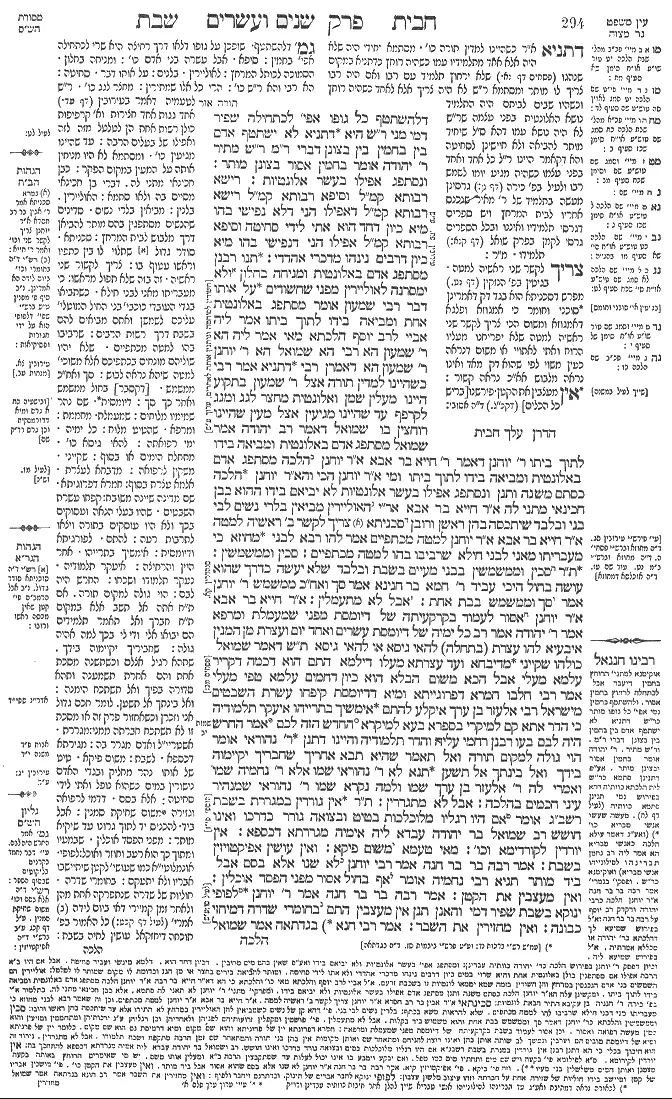
Shabbat 147b - Guemara
דלהשתטף כל גופו אפי' לכתחילה שפיר דמי מני ר"ש היא דתניא לא ישתטף אדם בין בחמין בין בצונן דברי ר"מ ר"ש מתיר ר' יהודה אומר בחמין אסור בצונן מותר:
ונסתפג אפילו בעשר אלונטיות:
רישא רבותא קמ"ל וסיפא רבותא קמ"ל רישא רבותא קמ"ל דאפילו הני דלא נפישי בהו מיא כיון דחד הוא אתי לידי סחיטה וסיפא רבותא קמ"ל אפילו הני דנפישי בהו מיא כיון דרבים נינהו מדכרי אהדדי:
תנו רבנן מסתפג אדם באלונטית ומניחה בחלון ולא ימסרנה לאוליירין מפני שחשודים על אותו דבר רבי שמעון אומר מסתפג באלונטית אחת ומביאה בידו לתוך ביתו אמר ליה אביי לרב יוסף הלכתא מאי אמר ליה הא ר' שמעון הא רבי הא שמואל הא ר' יוחנן ר' שמעון הא דאמרן רבי דתניא אמר רבי כשהיינו למדין תורה אצל ר' שמעון בתקוע היינו מעלין שמן ואלונטית מחצר לגג ומגג לקרפף עד שהיינו מגיעין אצל מעין שהיינו רוחצין בו שמואל דאמר רב יהודה אמר שמואל מסתפג אדם באלונטית ומביאה בידו לתוך ביתו ר' יוחנן דאמר ר' חייא בר אבא א"ר יוחנן הלכה מסתפג אדם באלונטית ומביאה בידו לתוך ביתו ומי א"ר יוחנן הכי והא"ר יוחנן הלכה כסתם משנה ותנן ונסתפג אפילו בעשר אלונטיות לא יביאם בידו ההוא כבן חכינאי מתני לה א"ר חייא בר אבא אר"י האוליירין מביאין בלרי נשים לבי בני ובלבד שיתכסה בהן ראשן ורובן סכניתא צריך לקשר ב' ראשיה למטה א"ר חייא בר אבא א"ר יוחנן למטה מכתפיים אמר להו רבא לבני מחוזא כי מעבריתו מאני לבני חילא שרביבו בהו למטה מכתפיים:
סכין וממשמשין:
ת"ר סכין וממשמשין בבני מעיים בשבת ובלבד שלא יעשה כדרך שהוא עושה בחול היכי עביד ר' חמא בר חנינא אמר סך ואח"כ ממשמש ר' יוחנן אמר סך וממשמש בבת אחת:
אבל לא מתעמלין:
א"ר חייא בר אבא א"ר יוחנן אסור לעמוד בקרקעיתה של דיומסת מפני שמעמלת ומרפא אמר ר' יהודה אמר רב כל ימיה של דיומסת עשרים ואחד יום ועצרת מן המנין איבעיא להו עצרת (בתחלה) להאי גיסא או להאי גיסא ת"ש דאמר שמואל כולהו שקייני מדיבחא ועד עצרתא מעלו דילמא התם הוא דכמה דקריר עלמא מעלי אבל הכא משום הבלא הוא כיון דחמים עלמא טפי מעלי אמר רבי חלבו חמרא דפרוגייתא ומיא דדיומסת קיפחו עשרת השבטים מישראל רבי אלעזר בן ערך איקלע להתם אימשיך בתרייהו איעקר תלמודיה כי הדר אתא קם למיקרי בספרא בעא למיקרא (שמות יב, ב) החדש הזה לכם אמר החרש היה לבם בעו רבנן רחמי עליה והדר תלמודיה והיינו דתנן ר' נהוראי אומר הוי גולה למקום תורה ואל תאמר שהיא תבא אחריך שחבריך יקיימוה בידך ואל בינתך אל תשען תנא לא ר' נהוראי שמו אלא ר' נחמיה שמו ואמרי לה ר' אלעזר בן ערך שמו ולמה נקרא שמו ר' נהוראי שמנהיר עיני חכמים בהלכה:
אבל לא מתגררין:
ת"ר אין גוררין במגררת בשבת רשב"ג אומר אם היו רגליו מלוכלכות בטיט ובצואה גורר כדרכו ואינו חושש רב שמואל בר יהודה עבדא ליה אימיה מגררתא דכספא:
אין יורדין לקורדימא וכו':
מאי טעמא משום פיקא:
ואין עושין אפיקטויזין בשבת:
אמר רבה בר בר חנה אמר רבי יוחנן לא שנו אלא בסם אבל ביד מותר תניא רבי נחמיה אומר אף בחול אסור מפני הפסד אוכלין:
ואין מעצבין את הקטן:
אמר רבה בר בר חנה אמר ר' יוחנן לפופי ינוקא בשבת שפיר דמי והאנן תנן אין מעצבין התם בחומרי שדרה דמיחזי כבונה:
ואין מחזירין את השבר:
אמר רבי חנא בגדתאה אמר שמואל
Comments from Rashi on Masechet Shabbat Page 147b
גמ' דלהשתטף . שופכן על גופו דלאו דרך רחיצה היא שרי לכתחילה אפי' בחמין: סיפא . אבל עשרה בני אדם כו': ומניחה בחלון . הסמוכה לכותל המרחץ: לאוליירין . בלנים: על אותו דבר . סחיטה: הא רבי והא ר"ש כו' . הרי כל אלו שמתירין: מחצר לגג כו' . ר"ש לטעמיה דאמר בעירובין (דף עד.) אחד גגות אחד חצירות וא' קרפיפות כולן רשות אחת הן לטלטל מזה לזה ואפילו של בעלים הרבה: עד שהיינו מגיעין כו' . ומסתמא לא היו מניחין אותה על המעין במקום הפקר: כבן חכינאי מתני לה . דברי בן חכינאי מסיים בה ולאו סתמא: האוליירין . בלנין: מביאין בלרי נשים . סדינים שהנשים מסתפגין בהם מותר להביאן דרך מלבוש לבית המרחץ: סכניתא . סודר גדול שתלוי לו בין כתפיו וראשו עטוף בו: צריך לקשור שני ראשיה . זה בזה שלא תפול מראשו: כי מעבריתו מאני לבני חילא . כשתביאו בגדי העובדי כוכבי' בני החיל המוטלי' עליכם לשמשן ואתם מביאים להם בשבת דרך רשות הרבים: שרביבו בהו למטה מכתפיים . שלא יהיו שוליהם מונחים בכתפיהם אלא משוכי' למטה שיהא נראה לבוש: סך ואח"כ ממשמש . [דקסבר] בחול ממשמש ואחר כך סך: דיומסית . שם נהר שמימיו מלוחים: שמעמלת . מחממת: ומרפא . שהטיט מלוח: כל ימיה . ימי רפואתה: להאי גיסא כו' . מתחלת הימים או בסוף: שקייני . משקין לרפואה: מדבחא לעצרת . אלמא עצרת בסוף: חמרא דפרוגיתא . שם מדינה שיינה משובח: קפחו עשרת השבטים . שהיו בעלי הנאה ועסוקים בכך ולא היו עוסקים בתורה ויצאו לתרבות רעה: להתם . לפורגיתא ודיומסית: אימשיך בתרייהו . אחר היין והרחיצה: איעקר תלמודיה . נעקר תלמודו ושכחו: החרש . היה לבם: הוי גולה למקום תורה . אם ת"ח אתה אל תשב אלא במקום ת"ח חברך ואל תאמר תלמידים הם יבואו אלי ודי לי בכך למה אהיה גולה: שחביריך יקיימוה בידך . שתהא רגיל אצלם וכשתשנה מסכת אחת והם אחרת תשמענה ותהא סדורה בפיך ואל תשתכח הימנה: ואל בינתך אל תשען . לומר חכם גדול אני וזכרן וכשאחזור פרק זה או מסכת זו לא תשתכח חברתה ממני: מגררת . אשטריי"ל ואדם מגרר בה: מגירתא דכספא . לשבת: משום פיקא . טיט של אותו נהר מחליק ובגדי האדם נישורין במים כשהוא נופל ואתי לידי סחיטה: אלא בסם . דדמי לרפואה וגזירה משום שחיקת סמנין: אבל ביד . להכניס יד לתוך גרונו עד שיקיא מותר: מפני הפסד אוכלין . שבמעיו ומתוך כך הוא רעב וחוזר ואוכל: לפופי . אונמלוטי"א כמו שעושי' לקטן שיתיישבו אבריו ולא יתעקם: בחומרי שדרה . חוליות של שדרה שנתפרקה אחת מהן ולאחר זמן קמיירי דאי ביום לידה אמרי' (לעיל שבת דף קכט:) כל האמור בפ' תוכחה דיחזקאל עושין לחיה בשבת:
Comments from Tosafot - Shabbat 147b
דתניא א"ר כשהיינו למדין תורה כו' . מסתמא יחידי היה שלא היה אלא אחד מתלמידיו עמו כשהיה רוחץ כדתניא במקום שנהגו (פסחים דף נא.) שלא ירחוץ תלמיד עם רבו ואם היה רבו צריך לו מותר ומסתמא ר"ש לא היה צריך אלא לאחד כשהיה רוחץ וכשהיו שבים לביתם היה התלמיד נושא האלונטית בפני עצמה שר"ש לא היה נושא עמו דהא ס"ל שיחיד מותר להביאה ולא חיישינן לסחיטה והא דקאמר היינו ר"ל כל אחד ואחד בפני עצמו כשהיה מגיע יומו לשמש רבו ולעיל בפ' כירה (שבת דף מ:) גרסינן מעשה בתלמיד של ר' מאיר שנכנס אחריו לבית המרחץ ויש ספרים דגרסי תלמידיו ואיננו ובכל הספרים גרסי לקמן בפרק שואל (שבת דף קנא:) תלמידו. מ"ר: צריך לקשר שני ראשיה למטה . בגיטין בפ' הנזקין (דף נט.) מפרש דסכניתא הוא בגד דק דאמרינן סוכני וחומר כי אמגוזא ופלגא דאמגוזא ומשום הכי צריך לקשר שני ראשיה למטה שלא יפריחנו מעליו הרוח ואתי לאתויי או משום דנראה כעין משוי לפי שהוא דק מאד ואינו נראה מלבוש אא"כ נראה קשור: אין מעצבין את הקטן . פירשנו [בריש כל הכלים] (דף קכ"ג.) ד"ה אסובי:
Shabbat 147b - Mishnah translated into english
that rinsing one’s entire body by pouring water on it rather than bathing in the standard fashion may well be done even ab initio. The Gemara asks: According to whose opinion is our mishna? The Gemara answers: It is in accordance with the opinion of Rabbi Shimon, as it was taught in a baraita: One may not rinse himself on Shabbat, neither with hot water nor with cold water; this is the statement of Rabbi Meir. Rabbi Shimon permits rinsing one’s body even with hot water. Rabbi Yehuda says that there is a distinction: With hot water it is prohibited and with cold water it is permitted.
The mishna addressed the permissibility of drying oneself with a towel after bathing on Shabbat, and added the phrase: And dried himself off even with ten towels. The Gemara comments on the formulation of the mishna: The first clause teaches us a novel concept, and the latter clause teaches us a novel concept. The Gemara explains: The first clause: One who…dried himself even with ten towels may not carry them, teaches us a novel concept, that the prohibition applies even to these towels, which do not have much water absorbed in them. The reason for this is that since he is one person, he may come to squeeze them. And the latter clause teaches us a novel concept, that even these ten people may carry the towel that they have all used, despite the fact that they have absorbed much water and the towel is very wet. The reason for this is that since they are many people, they remind each other not to wring the towel.
The Sages taught in a baraita: One may dry himself with a towel on Shabbat and leave it in the window of the bathhouse; and one may not give it to the bath attendants, because they are suspect in this matter of wringing out towels. Rabbi Shimon says: One may dry himself with a single towel and carry it in his hand into his home, and there is no concern lest he wring out the water.
Abaye said to Rav Yosef: What is the halakha with regard to carrying a towel home after using it to dry himself? Rav Yosef said to him: There is Rabbi Shimon, there is Rabbi Yehuda HaNasi, there is Shmuel, and there is Rabbi Yoḥanan, all of whom permit it.
The Gemara elaborates: Rabbi Shimon rules leniently, as we have already stated that he permits bathing and drying oneself with a towel and then bringing it home. Rabbi Yehuda HaNasi agrees, as it was taught in a baraita that Rabbi Yehuda HaNasi said: When we would study Torah with Rabbi Shimon in Tekoa, we would carry oil and towels from the courtyard to the roof and from the roof into an enclosure similar to a courtyard until we reached the spring in which we would bathe, without passing through a public domain. In Rabbi Yehuda HaNasi’s opinion, it is permitted to carry a towel both before and after using it to dry oneself. Shmuel is also lenient, as Rav Yehuda said that Shmuel said explicitly: One may dry himself with a towel and carry it in his hand into his home. Rabbi Yoḥanan is also lenient, as Rabbi Ḥiyya bar Abba said that Rabbi Yoḥanan said: The halakha is that one may dry himself with a towel and carry it in his hand into his house.
The Gemara challenges this last point: And did Rabbi Yoḥanan really say that? Didn’t Rabbi Yoḥanan state a principle that the halakha is in accordance with an unattributed mishna, in which the name of the tanna who issued the rulings does not appear? And we learned explicitly in our mishna, which is unattributed, that if one bathed and dried himself even with ten towels, he may not carry them in his hand. The Gemara answers: Rabbi Yoḥanan’s version of the mishna does not teach this halakha unattributed; rather, it teaches it in accordance with the opinion of ben Ḥakhinai, which is the opinion of an individual Sage that is not the accepted halakha.
Rabbi Ḥiyya bar Abba said that Rabbi Yoḥanan said: Bath attendants may bring women’s bathing garments [balarei] to the bathhouse on Shabbat as long as they cover their heads and the majority of their bodies with them, so that they are being worn rather than carried. With regard to the large scarf that is worn draped over one’s shoulders, one must tie its two ends together below so that it will not fall. Rabbi Ḥiyya bar Abba said that Rabbi Yoḥanan said: This means that one must tie it below the shoulders. In a similar vein, Rava said to the inhabitants of his city, Meḥoza: When you transport clothing for the soldiers who are staying in the city, extend them beneath your shoulders so that you will wear them like a garment and not simply carry them.
We learned in the mishna: One may smear oil and rub a person’s body by hand on Shabbat. The Sages taught in a baraita: One may smear oil on and rub his intestinal area on Shabbat, and it is not a prohibited form of healing, provided he does not do so in the manner in which he does during the week. The Gemara asks: How then does one do this on Shabbat? Rabbi Ḥama bar Ḥanina said: One first smears oil and afterward rubs the body. And Rabbi Yoḥanan said: One smears oil and rubs simultaneously.
The mishna taught: However, one may not exert himself on Shabbat. Rabbi Ḥiyya bar Abba said that Rabbi Yoḥanan said: It is prohibited to stand on the floor of the therapeutic bathhouse of Deyomset on Shabbat, because it warms and heals even if one is not bathing or exerting himself. Rav Yehuda said that Rav said: The entire period that bathing in Deyomset is therapeutic is twenty-one days; and Shavuot is included. The Gemara raises a dilemma: Is Shavuot on this side, at the beginning, of the twenty-one-day period, or on this side, at the end, of the twenty-one days? Come and hear a resolution to this dilemma from that which Shmuel said: All medicinal drinks are effective from Passover to Shavuot; apparently, the waters of the Deyomset are therapeutic in the time period leading up to Shavuot. The Gemara rejects this proof: Perhaps there, with regard to medicinal drinks, it is so, because the cooler the world, the better these drinks heal; however, here, with regard to bathing, the therapeutic effect is due to the heat, and therefore the warmer the world, the better. The time period during which bathing is effective would only begin with Shavuot.
Apropos Deyomset, the Gemara cites that Rabbi Ḥelbo said: The wine of Phrygia [Perugaita] and the water of the Deyomset deprived Israel of the ten lost tribes. Because the members of these tribes were attracted to the pleasures of wine and bathing and did not occupy themselves with Torah, they were lost to the Jewish people.
The Gemara relates that once Rabbi Elazar ben Arakh happened to come there, to Phrygia and Deyomset, and he was drawn after them, and his Torah learning was forgotten. When he returned, he stood to read from a Torah scroll and was supposed to read the verse: “This month shall be for you [haḥodesh hazeh lakhem]” (Exodus 12:2), but he had forgotten so much that he could barely remember how to read the Hebrew letters, and instead he read: Have their hearts become deaf [haḥeresh haya libbam], interchanging the similar letters reish for dalet, yod for zayin, and beit for khaf. The Sages prayed and asked for God to have mercy on him, and his learning was restored.
And that is what we learned in a mishna that Rabbi Nehorai says: Exile yourself to a place of Torah and do not say that it will follow you, as if you are in a place of Torah, your colleagues will establish it in your hands, and do not rely on your understanding alone. It was taught: Rabbi Nehorai was not his name, but rather Rabbi Neḥemya was his name; and some say that Rabbi Elazar ben Arakh was his name and his statement was based on the personal experience of forgetting his Torah due to his failure to exile himself to a place of Torah. And why was he called Rabbi Nehorai? It was because he would illuminate [manhir] the eyes of the Sages in halakha.
The mishna taught: However, one may not scrape off the oil on Shabbat. The Sages taught in a baraita: One may not scrape his body with a scraper on Shabbat. Rabban Shimon ben Gamliel says: If one’s feet were dirty with mortar and excrement he may scrape them in the usual manner with a scraper and need not be concerned about violating a prohibition. Rav Shmuel bar Yehuda’s mother made him a silver scraper to use on Shabbat to distinguish it from a weekday.
The mishna also taught that one may not enter a swampy river full of mud on Shabbat. The Gemara explains: What is the reason for this? Due to the mud, as it is likely that one will slip and fall and come to violate the prohibitions of bathing and wringing out his clothes.
We also learned in the mishna that one may not make a drug to induce vomiting on Shabbat. Rabba bar bar Ḥana said that Rabbi Yoḥanan said: They only taught that this is prohibited with a drug, which is considered a medicine; however, inducing vomiting by hand is permitted. It was taught in a baraita that Rabbi Neḥemya says: Even during the week, if one need not vomit for medical reasons, it is prohibited to induce vomiting because it causes loss of food.
And we learned in the mishna that one may not align a young infant’s bones in order to straighten them on Shabbat. Rabba bar bar Ḥana said that Rabbi Yoḥanan said: With regard to swaddling an infant on Shabbat, one may well do so. The Gemara challenges this statement: Didn’t we learn in the mishna that one may not align an infant’s bones? The Gemara answers: There, the mishna is referring to the bones, vertebrae, of the spine, because straightening them appears like the prohibited labor of building.
We also learned in the mishna that one may not reset a break in a bone on Shabbat. Rav Ḥana of Baghdad said that Shmuel said:
Traduction : The William Davidson digital edition of the Koren Noé Talmud, with commentary by Rabbi Adin Even-Israel Steinsaltz.