 Talmud Bavli
The learning on the whole site is dedicated : L'ilui Nishmat Jacques Isaac Ben Amram Loubaton
The learning on the whole site is dedicated : L'ilui Nishmat אליעזר בן רחל
The learning on the whole site is dedicated : L'ilui Nishmat יוסף בן מושה
Hagigah 9b : Youtube
Rabbi Dr. Moshe WeisblumYoutube
1 video class :
Hagigah Page 9b
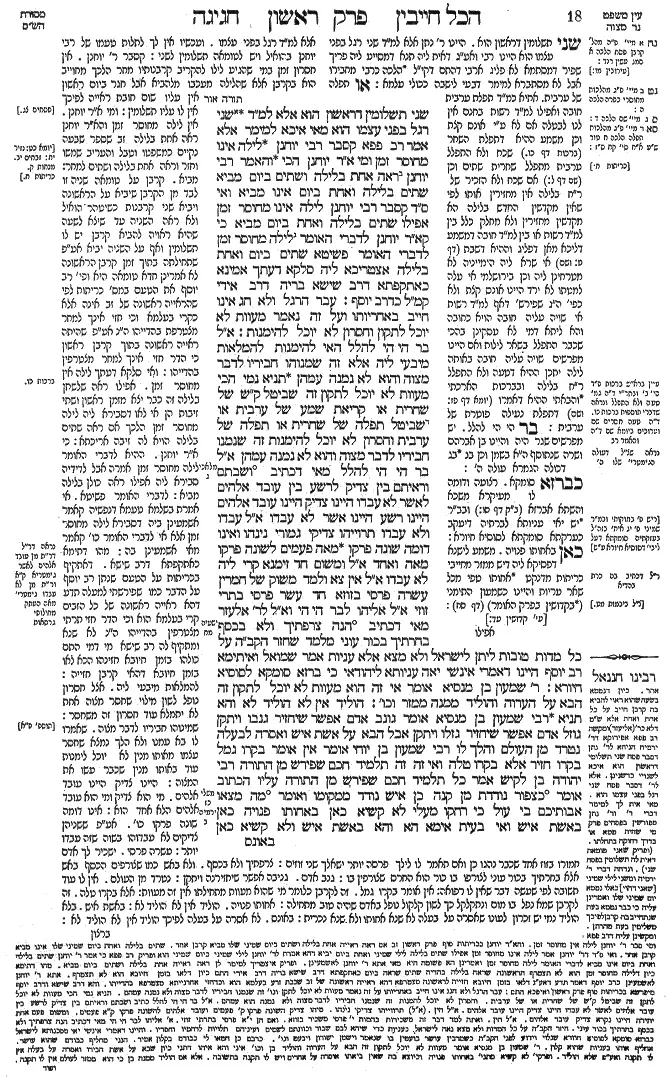
Hagigah 9b - Guemara
שני תשלומין דראשון הוא אלא למ"ד שני רגל בפני עצמו הוא מאי איכא למימר אלא אמר רב פפא קסבר רבי יוחנן לילה אינו מחוסר זמן ומי א"ר יוחנן הכי והאמר רבי יוחנן ראה אחת בלילה ושתים ביום מביא שתים בלילה ואחת ביום אינו מביא ואי ס"ד קסבר רבי יוחנן לילה אינו מחוסר זמן אפילו שתים בלילה ואחת ביום מביא כי קא"ר יוחנן לדברי האומר לילה מחוסר זמן לדברי האומר פשיטא שתים ביום ואחת בלילה אצטריכא ליה סלקא דעתך אמינא כאתקפתא דרב שישא בריה דרב אידי קמ"ל כדרב יוסף:
עבר הרגל ולא חג אינו חייב באחריותו ועל זה נאמר מעוות לא יוכל לתקון וחסרון לא יוכל להימנות:
א"ל בר הי הי להלל האי להימנות להמלאות מיבעי ליה אלא זה שמנוהו חביריו לדבר מצוה והוא לא נמנה עמהן תניא נמי הכי מעוות לא יוכל לתקון זה שביטל ק"ש של שחרית או קריאת שמע של ערבית או שביטל תפלה של שחרית או תפלה של ערבית וחסרון לא יוכל להימנות זה שנמנו חביריו לדבר מצוה והוא לא נמנה עמהן א"ל בר הי הי להלל מאי דכתיב (מלאכי ג, יח) ושבתם וראיתם בין צדיק לרשע בין עובד אלהים לאשר לא עבדו היינו צדיק היינו עובד אלהים היינו רשע היינו אשר לא עבדו א"ל עבדו ולא עבדו תרוייהו צדיקי גמורי נינהו ואינו דומה שונה פרקו מאה פעמים לשונה פרקו מאה ואחד א"ל ומשום חד זימנא קרי ליה לא עבדו א"ל אין צא ולמד משוק של חמרין עשרה פרסי בזוזא חד עשר פרסי בתרי זוזי א"ל אליהו לבר הי הי וא"ל לר' אלעזר מאי דכתיב (ישעיהו מח, י) הנה צרפתיך ולא בכסף בחרתיך בכור עוני מלמד שחזר הקב"ה על כל מדות טובות ליתן לישראל ולא מצא אלא עניות אמר שמואל ואיתימא רב יוסף היינו דאמרי אינשי יאה עניותא ליהודאי כי ברזא סומקא לסוסיא חיורא:
ר' שמעון בן מנסיא אומר אי זה הוא מעוות לא יוכל לתקון זה הבא על הערוה והוליד ממנה ממזר וכו':
הוליד אין לא הוליד לא והא תניא רבי שמעון בן מנסיא אומר גונב אדם אפשר שיחזיר גנבו ויתקן גוזל אדם אפשר שיחזיר גזלו ויתקן אבל הבא על אשת איש ואסרה לבעלה נטרד מן העולם והלך לו רבי שמעון בן יוחי אומר אין אומר בקרו גמל בקרו חזיר אלא בקרו טלה ואי זה זה תלמיד חכם שפירש מן התורה רבי יהודה בן לקיש אמר כל תלמיד חכם שפירש מן התורה עליו הכתוב אומר (משלי כז, ח) כצפור נודדת מן קנה כן איש נודד ממקומו ואומר (ירמיהו ב, ה) מה מצאו אבותיכם בי עול כי רחקו מעלי לא קשיא כאן באחותו פנויה כאן באשת איש ואי בעית אימא הא והא באשת איש ולא קשיא כאן
Comments from Rashi on Masechet Hagigah Page 9b
אלא למ"ד רגל בפני עצמו . ועכשיו אין לך לתלות טעמו של רבי יוחנן בהואיל ויש לטומאה תשלומין לשני: קסבר ר' יוחנן . אין חסרון זמן במי שהגיע לילו להקריב קרבנותיו מחר הלכך מחוייב הוא בקרבן אלא שהלילה מעכבו מלהביא אבל חגר ביום ראשון אין עליו שום חובת ראייה לפיכך אין לו עליו תשלומין: ומי א"ר יוחנן . אין לילה מחוסר זמן והא"ר יוחנן ראה אחת בלילה זב שספר שבעה נקיים כמשפטו וטבל והעריב שמשו וחזר וראה אחת בלילה ושתים למחר: מביא . קרבן על טומאה שניה זו לבד מן הקרבן שיביא על הראשונה ויביא שני קרבנות כשיטהר הואיל ולא ראה השניה עד שיצא לשעה שהיא ראויה להביא קרבן יש לו תשלומין ואף על השניה יביא אע"פ שתחילתה בתוך זמן קרבן הראשונה לא אמרינן חדא טומאה היא ופי' רב יוסף את הטעם במס' כריתות לפי שהראייה ראשונה של זב אינה אלא כקרי בעלמא וכי חזי אינך למחר מצטרפת בהדייהו ה"נ אע"פ שהיתה ראייה ראשונה בתוך קרבן ראשון כי הדר חזי אינך למחר מצטרפין בהדייהו: ואי סלקא דעתך לילה אין מחוסר זמן . אפילו ראה שלשתן בלילה זה כבר יצא מזמן ראשון ושתי זיבות הן אי לאו דסבירא ליה לילה מחוסר זמן הלכך אם ראה שתים בלילה הויא לה זיבה אריכתא: כי א"ר יוחנן . ההיא לדברי האומר לילה מחוסר זמן אמרה אבל לדידיה סבירא ליה אפילו ראה כולן בלילה מביא: לדברי האומר פשיטא . אי אמרת בשלמא טעמא דנפשיה קאמר אשמעינן ביה דסבירא לילה מחוסר זמן אלא אי לדברי האומר כו' קאמר מאי אשמעינן בה: מהו דתימא כאתקפתא דרב שישא . דאתקיף בכריתות על הטעם שנתן רב יוסף על הדבר כמו שפירשתי למעלה תדע דהא ראייה ראשונה של כל הזבים קרי בעלמא הוא וכי הדר חזי תרתי מצטרפין בהדייהו ה"נ לא שנא ומתקיף לה רב שישא מי דמי התם כולהו בזמן חיובא חזינהו הכא לאו בזמן חיובא דהאי קרבן חזייה: להמלאות מיבעי ליה . אצל חסרון נופל לשון מילוי שחסר מצוה אחת לא יתמלא עוד חסרון זה משחסר: שמינוהו חביריו לדבר מצוה . שאמרו לו בא עמנו ולא הלך נמצא שחסר עצמו מאותו מנין לא יוכל לימנות עוד באותו מנין שכבר עשו את המצוה: היינו צדיק היינו עובד אלהים . מי הוא צדיק ומי הוא עובד אלהים הלא אחד הוא: אינו דומה שונה פרקו כו' . אע"פ ששניהן צדיקים לא עבדוהו בשוה שזה עבדו יותר: עשרה פרסי . ישכיר לך אדם חמורו בזוז אחד שכבר נהגו כן ואם תאמר לו לילך פרסה יותר ישאלך שני זוזים: צרפתיך ולא בכסף . ולא באש כמו שצורפים הכסף באש אלא בחרתיך בכור עוני לצורפו בו כור הוא החרס שצורפין בו: גנב אדם . גניבה אפשר שיחזירנה ויתקן: נטרד מן העולם . אין לו עוד תשובה לפי שעשה דבר שאין לו רפואה: אין אומר בקרו גמל . זה לקרבן כלומר מי שהוא מעוות מתחילתו אין זה מעוות: אלא בקרו טלה . זה לקרבן שמא נפל בו מום ונתקלקל כך לשון קלקול נופל באדם שהיה טוב מתחילה: אחותו פנויה . הוליד אין לא הוליד לא: באשת איש . בלא הוליד נמי יש זכרון לעונו שאסרה על בעלה לא שנא אחותו ולא שנא נכרית: באונס . לא אסרה על בעלה לפיכך הוליד אין לא הוליד לא:
Comments from Tosafot - Hagigah 9b
שני תשלומין דראשון הוא. היינו ר' נתן אלא למ"ד שני רגל בפני עצמו הוא היינו רבי ואע"ג דאית ליה תנא דמסייע ליה פריך שפיר דמסתמא לא פליג ארבי דהתם דקי"ל הלכה כרבי מחבירו אבל לא מסתברא למימר דבעי לישבה ככולי עלמא: או תפלה של ערבית. אתיא כמ"ד תפלת ערבית חובה ואפילו למ"ד רשות בחנם אין לנו לבטלה אם לא ע"י אונס קצת וכן משמע ההיא דתפלת השחר (ברכות דף כו.) שכח ולא התפלל ערבית מתפלל שחרית שתים וכן (שם דף ל:) אם שכח ולא הזכיר של ר"ח בלילה אין מחזירין אותו לפי שאין מקדשין החדש בלילה הא מקדשין מחזירין ולא מחלק כלל בין למ"ד רשות או בין למ"ד חובה דמשמע דליכא מאן דפליג וההיא דשבת (דף ט: ושם) אי שרא ליה הימייניה לא מטרחינן ליה וכן בירושלמי אי עלה למטתו לא ירד היינו אונס קצת ולא כפי' ה"ג שפירש' דאף למ"ד רשות אי שויה עליה חובה הויא כחובה והא ליתא דמי לא עסקינן בהכי שכבר התפלל בשאר לילות ואם היינו מפרשים שויה עליה חובה באותה לילה יתכן ההיא דטעה ולא התפלל ר"ח בלילה ובברכות הארכתי והבאתי ההיא דאמרו (יומא דף פז: ושם) דתפלת נעילה פוטרת של ערבית: בר הי הי להלל. יש מפרשים שגר היה והיינו בן אברהם ושרה שנתוסף ה"א בשמן וכן בג בג דכולה הגמרא עולה ה': כברזא סומקא. רצועה ודומה לו מעיקרא משכא והשתא אברזא (ב"ק דף סו:) ובב"ר יש יאי עניותא לברתיה דיעקב כערקתא סומקתא לסוסיא חיורא: כאן באחותו פנויה. משמע לישנא דפסיקא ליה דיש ממזר מחייבי כריתות מדנקט אחותו טפי מכל שאר עריות והיינו כשמעון התימני (בקדושין בפרק האומר) (דף סח): [עי' קדושין עד:]
Hagigah 9b - Mishnah translated into english
is redress for the first Paschal offering. According to this opinion, it is clear that ritual impurity does not nullify one’s obligation. However, according to the one who said that the second Pesaḥ is a separate pilgrimage Festival, established for those who were unable to sacrifice the Paschal offering at the proper time, what is there to say? In that case, Rav Yirmeya’s answer does not apply, and therefore it remains unclear that Rabbi Yoḥanan holds that one who is not obligated in the Festival offerings on the first day is exempt during the remaining days.
Rather, Rav Pappa said: Rabbi Yoḥanan holds that night is not considered part of a date whose time has not yet arrived. Although one may not sacrifice offerings at night, the date itself has arrived and his period of impurity is complete, which is why any further impurity requires a second set of offerings. Consequently, Rabbi Yoḥanan’s opinion with regard to a lame person does not contradict his ruling concerning a nazirite. The Gemara asks: And did Rabbi Yoḥanan actually say this, that night is not considered part of a date whose time has not yet arrived?
But didn’t Rabbi Yoḥanan say: A zav at the end of his seven-day purification process who saw that he experienced one emission at night and then two in the day brings additional offerings for the second impurity? Had he experienced the emissions before he became ritually pure, he would have been required to bring only one set of offerings. However, once his purification is complete he must bring a separate set. In this case, the first emission occurred before he was able to sacrifice the offerings for his initial period of impurity. Nevertheless, as the two subsequent sightings occurred during the day, and they alone would suffice to confer upon him the status of a zav, they combine with the one from the previous night and he is required to bring new offerings.
However, if he saw two emissions at night and one in the day, he does not bring additional offerings, because at night he could not yet sacrifice the offerings owed due to his current status, and without those two new sightings he would not become a zav again. And if it enters your mind that Rabbi Yoḥanan holds that night is not considered a date whose time has not yet arrived, then even in the case where he saw two emissions at night and one in the day he should have to bring another set of offerings. He already reached the date of sacrificing the previous offerings before these new emissions occurred. This indicates that Rabbi Yoḥanan holds that night is considered part of a date whose time has not yet arrived.
The Gemara answers: When Rabbi Yoḥanan said this statement, he spoke according to the one who says that night is considered part of a date whose time has not yet arrived. However, he himself maintains that even if a zav saw all three emissions at night he must bring another offering. The Gemara asks: If he spoke only according to the one who says that opinion, it is obvious that no new offerings are required; what novel idea did Rabbi Yoḥanan intend to express? The Gemara answers: Nevertheless, it was necessary for him to teach the case of a zav who saw two in the day and one at night.
The Gemara elaborates: It was necessary for Rabbi Yoḥanan to say this, lest it enter your mind to say in the manner of the strong objection of Rav Sheisha, son of Rav Idi (see Keritot 8a), who holds that there is no reason to distinguish between a zav seeing one or two emissions at night. Therefore, Rabbi Yoḥanan teaches us that the halakha is in accordance with the opinion of Rav Yosef, that the first sighting confers merely the status of ritual impurity of one who has a seminal emission, and he is not yet classified as a zav. Consequently, there is a difference between one who experienced one emission at night and one who experienced two.
§ The mishna taught that if the pilgrimage Festival passed and one did not celebrate it by sacrificing a Festival peace-offering, he is not obligated to pay restitution for it. And about this it is stated: “That which is crooked cannot be made straight; and that which is wanting cannot be numbered” (Ecclesiastes 1:15).
The Sage bar Hei Hei said to Hillel that if this is the correct interpretation of the verse, this term: “Be numbered [lehimanot]” is apparently inappropriate. It should have said: Be filled. Rather, this verse is referring to one whose friends reached a consensus [manuhu] with regard to a matter of a mitzva and he was not part of their consensus, and therefore he missed his opportunity to join them in the performance of the mitzva.
This explanation is also taught in a baraita. The meaning of the verse “That which is crooked cannot be made straight; and that which is wanting cannot be numbered” is as follows: “That which is crooked cannot be made straight” is referring to one who omitted the recitation of the morning Shema or the recitation of the evening Shema, or who omitted the morning prayer or the evening prayer. “And that which is wanting cannot be numbered” is referring to one whose friends reached a consensus with regard to a matter of a mitzva and he was not part of their consensus.
The Gemara records another discussion between bar Hei Hei and Hillel. Bar Hei Hei said to Hillel: What is the meaning of that which is written: “Then you shall again discern between the righteous and the wicked, between he who serves God and he who does not serve Him” (Malachi 3:18). There are two redundancies here: “The righteous” is the same as “he who serves God,” and “the wicked” is the same as “he who does not serve Him.” Hillel said to him: The one “who serves Him” and the one “who does not serve Him” are both referring to completely righteous people. But the verse is hinting at a distinction between them, as one who reviews his studies one hundred times is not comparable to one who reviews his studies one hundred and one times.
Bar Hei Hei said to him: And due to one extra time that he did not review, the verse calls him a person “who does not serve Him”? He said to him: Yes. Go and learn from the market of donkey drivers. One can hire a driver to travel up to ten parasangs for one dinar. However, he will travel eleven parasangs only for two dinars. This shows that any departure beyond the norm is considered a significant difference.
The Gemara relates that Elijah the Prophet said to bar Hei Hei, and some say that he said this to Rabbi Elazar: What is the meaning of that which is written: “Behold, I have refined you, but not as silver; I have tried you in the furnace of affliction [oni]” (Isaiah 48:10)? This teaches that the Holy One, Blessed be He, sought after all good character traits to impart them to the Jewish people, and He found only poverty [aniyut] capable of preventing them from sin. Shmuel said, and some say it was Rav Yosef: This explains the folk saying that people say: Poverty is good for the Jewish people like a red bridle [barza] for a white horse. Just as a red bridle accentuates the white color of the horse, so the challenge of poverty draws out the purity of the Jewish people.
§ The mishna taught that Rabbi Shimon ben Menasya says: Who is the crooked that cannot be made straight? This verse is referring to one who engaged in intercourse with a woman forbidden to him and fathered a mamzer with her. The Gemara infers from the mishna: If he fathers a child, yes, this verse applies, as he cannot remedy the situation; if he does not father a child, no, the verse does not apply, as he can make amends.
The Gemara asks: Isn’t it taught in a baraita that Rabbi Shimon ben Menasya says: If a person steals it is possible that he might return his stolen property and be made straight; if a person robs from another it is possible that he might return his robbed property and be made straight. However, one who has sexual relations with a married woman with her consent and thereby renders her forbidden to her husband is banished from the world and passes away. There is no way for him to rectify the situation and achieve atonement, because a married woman who willingly has sexual relations with another man is permanently forbidden to her husband.
Rabbi Shimon ben Yoḥai says: Someone who wants to examine an animal for blemishes to bring it as an offering does not say: Inspect the camel, or: Inspect the pig, as these are inherently disqualified for the altar. Rather, he says: Inspect the lamb. Similarly, the term: “Crooked,” applies only to one who was previously straight. And who is this? This is a Torah scholar who leaves his Torah study.
Rabbi Yehuda ben Lakish said: Any Torah scholar who leaves the Torah, about him the verse says: “As a bird that wanders from her nest, so is a man who wanders from his place” (Proverbs 27:8). And it says: “What unrighteousness have your fathers found in Me, that they are gone far from Me?” (Jeremiah 2:5). This indicates that the punishment is greater for one who was close to God and became distant from Him. In any case, there is a contradiction here, as in the mishna Rabbi Shimon ben Menasya says that the act of one who fathers an illegitimate child is crooked and cannot be straightened, whereas in the baraita he says the same applies to anyone who has forbidden sexual relations, regardless of whether or not he fathers a child.
The Gemara answers: This is not difficult. Here, the mishna is dealing with a case where he had forbidden sexual relations with his unmarried sister. Although the intercourse itself is a severe sin, if he does not sire a child it can be rectified through repentance. There, in the baraita, it is referring to a case where he sinned with a married woman, causing irreparable damage to her marriage. And if you wish, say instead: This and that are both referring to a married woman. And it is not difficult. Here, the mishna is dealing
Traduction : The William Davidson digital edition of the Koren Noé Talmud, with commentary by Rabbi Adin Even-Israel Steinsaltz.