 Talmud Bavli
The learning on the whole site is dedicated : L'ilui Nishmat Ledicia bat David Banoun
The learning on the whole site is dedicated : L'ilui Nishmat Jacques Isaac Ben Amram Loubaton
The learning on the whole site is dedicated : L'ilui Nishmat Yaakov ben Myriam
Menachot 90b : Youtube
Daf TubeYoutube
2 video classes :
Menachot Page 90b
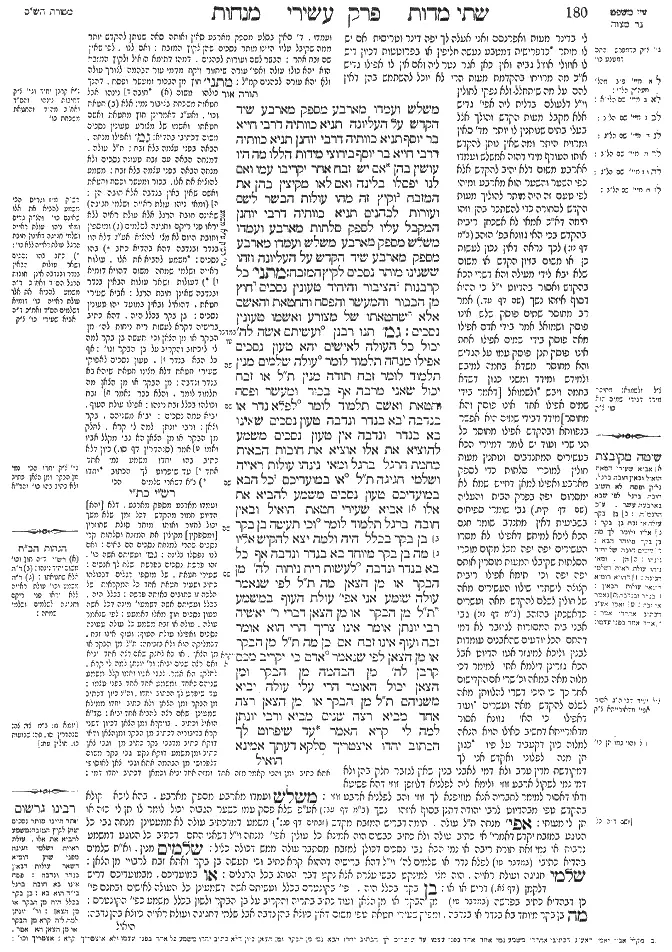
Menachot 90b - Guemara
משלש ועמדו מארבע מספק מארבע שיד הקדש על העליונה תניא כוותיה דרבי חייא בר יוסף תניא כוותיה דרבי יוחנן תניא כוותיה דרבי חייא בר יוסף בירוצי מידות הללו מה היו עושין בהן אם יש זבח אחר יקריבו עמו ואם לנו יפסלו בלינה ואם לאו מקיצין בהן את המזבח וקיץ זה מהו עולות הבשר לשם ועורות לכהנים תניא כוותיה דרבי יוחנן המקבל עליו לספק סלתות מארבע ועמדו משלש מספק מארבע משלש ועמדו מארבע מספק מארבע שיד הקדש על העליונה וזהו ששנינו מותר נסכים לקיץ המזבח:
מתני׳ כל קרבנות הציבור והיחיד טעונין נסכים חוץ מן הבכור והמעשר והפסח והחטאת והאשם אלא שחטאתו של מצורע ואשמו טעונין נסכים:
גמ׳ תנו רבנן (במדבר טו, ג) ועשיתם אשה לה' יכול כל העולה לאישים יהא טעון נסכים אפילו מנחה תלמוד לומר (במדבר טו, ג) עולה שלמים מנין תלמוד לומר זבח תודה מנין תלמוד לאמר או זבח יכול שאני מרבה אף בכור ומעשר ופסח וחטאת ואשם תלמוד לומר (במדבר טו, ג) לפלא נדר או בנדבה בא בנדר ונדבה טעון נסכים שאינו בא בנדר ונדבה אין טעון נסכים משמע להוציא את אלו אוציא את חובות הבאות מחמת הרגל ברגל ומאי נינהו עולות ראייה ושלמי חגיגה תלמוד לאמר (במדבר טו, ג) או במועדיכם כל הבא במועדיכם טעון נסכים משמע להביא את אלו אביא שעירי חטאת הואיל ובאין חובה ברגל תלמוד לומר (במדבר טו, ח) וכי תעשה בן בקר בן בקר בכלל היה ולמה יצא להקיש אליו מה בן בקר מיוחד בא בנדר ונדבה אף כל בא בנדר ונדבה (במדבר טו, ג) לעשות ריח ניחוח לה' מן הבקר או מן הצאן מה תלמוד לאמר לפי שנאמר עולה שומע אני אפילו עולת העוף במשמע תלמוד לאמר מן הבקר או מן הצאן דברי ר' יאשיה רבי יונתן אומר אינו צריך הרי הוא אומר זבח ועוף אינו זבח אם כן מה תלמוד לאמר מן הבקר או מן הצאן לפי שנאמר (ויקרא א, ב) אדם כי יקריב מכם קרבן לה' מן הבהמה מן הבקר ומן הצאן יכול האומר הרי עלי עולה יביא משניהם תלמוד לאמר מן הבקר או מן הצאן רצה אחד מביא רצה שנים מביא ורבי יונתן למה לי קרא האמר עד שיפרוט לך הכתוב יחדו איצטריך סלקא דעתך אמינא
Comments from Rashi on Masechet Menachot Page 90b
קיבל עליו לתת ג' סאין בסלע והוזלו ועמדו . ד' סאין בסלע מספק מארבע סאין ואותה סאה שנותן להקדש יותר ממה שקיבל עליו היינו מותר נסכים שהן לקיץ המזבח: ואם לנו . לפי שאין שם זבח אחר: הבשר לשם ועורות לכהנים . דמהו דתימא הואיל ולקיץ המזבח הוא יהא כולו עולה ואפי' עורה שיחזור ויקח מדמי עור הבהמה לצורך עולה ולא יהא עורה לכהנים קמ"ל: מתני' חוץ מן הבכור ומעשר ופסח . דהנך כולהו משום חובה נינהו אבל חטאות משכחת בציבור נמי: אלא חטאת וכו' . ואע"ג דאמרינן חוץ מחטאת ואשם חטאתו ואשמו של מצורע טעונין נסכים משום דכתיבי בהדיא: גמ' ואפילו מנחה . הבאה בפני עצמה בלא זבח: ת"ל עולה . דמנחה הבאה עם זבח טעונה נסכים ולא מנחה הבאה בפני עצמה בלא זבח: משמע להוציא את אלו . בכור ומעשר ופסח וחטאת ואשם שאין באין בנדבה אלא חובה הן: (ומאי ניהו עולת ראייה ושלמי חגיגה) . שאינם חובת הרגל אלא עולת ראיה ללא יראו פני ריקם וחגיגה לשלמים ומוספין וחובת היום לא מצי להוציא אע"ג דלא הוו בנדר ובנדבה דהא בהדיא כתב בהו נסכים: משמע להביא את אלו . עולות ראייה ושלמי שמחה משום דהויא דומיא דעולות ושאר עולות הבאין בנדר ובנדבה שאינן חובת הרגל: אביא שעירי חטאת . דהואיל ובאין במועד יהו טעונין נסכים: בן בקר בכלל היה . דהא כתיב ברישיה דקרא לעשות ריח ניחוח לה' מן הבקר או מן הצאן וכי תעשה בן בקר למה לי ליכתוב והקריב על בן הבקר וגו': אף כל הבא בנדר . טעון נסכים לאפוקי שעירי חטאת דלא מצינו חטאת שיהא בא בנדר ונדבה: מן הבקר או מן הצאן מה תלמוד לומר . והלא כבר נאמר זבח וכולהו בכלל זבח נינהו: אפילו עולת העוף . יביא עמה נסכים: יביא משניהם . בקר וצאן: ורבי יונתן למה לי קרא . לחלק מן הבקר או מן הצאן הא גבי מקלל אביו ואמו אמר (סנהדרין דף סו.) כיון דלא כתיב בהו יחדו משמע נמי אחד אחד עד שיפרוט לך הכתוב יחדו הכי נמי מן הבקר ומן הצאן כיון דלא כתיב בהו יחדו משמע נמי כל אחד בפני עצמו ולא איצטריך קרא לחלק:
Comments from Tosafot - Menachot 90b
משלש ועמדו מארבע מספק מארבע. בהא ליכא קולא בהקדש טפי מבהדיוט לרבי יהודה דתנן בסוף איזהו נשך (ב"מ דף עב:) אע"פ שלא פסק עמו כשער הגבוה יכול לומר לו תן לי כזה או תן לי מעותי: אפי' מנחה ת"ל עולה. תימה דבריש המזבח מקדש (זבחים דף פג:) משמע דמדכתיב עולה לא ממעטינן מנחה גבי כל הנוגע במזבח יקדש דאמרי' אי כתיב עולה ולא כתיב כבשים הוה אמינא כל עולין אפי' מנחה וי"ל דשאני התם דכתיב כל הנוגע דמשמע לרבות אי נמי זאת תורת ריבה אי נמי הכא גבי נסכים דכולן למזבח מסתבר עולה ממש דכולה כליל: שלמים מנין. וא"ת שלמים בהדיא כתיבי (במדבר טו) לפלא נדר או שלמים לה' וי"ל דהא ברישיה דההוא קרא כתיב וכי תעשה בן בקר ואתא זבח לרבויי מן הצאן: שלמי חגיגה ועולת ראייה. הוה מצי למינקט כבשי עצרת אלא נקט דבר הנוהג בכל הרגלים: או במועדיכם. מבמועדיכם דריש דלקמן (מנחות דף צא.) דריש או או: בן בקר בכלל היה. פי' בקונטרס בכלל ועשיתם אשה דשמעינן כל העולה לאישים ובחנם פי' כן דבהדיא כתיב בפרשה (במדבר טו) מן הבקר או מן הצאן ועוד כתיב בתריה והקריב על בן הבקר ולשון בכלל משמע כפי' הקונטרס: מה בן בקר מיוחד בא בנדר או בנדבה. ומפיק שעירי חטאת טפי משום דאין כיוצא בהן נדבה אבל שלמי דחגיגה ועולת ראייה כיוצא בהן נדבה:
Menachot 90b - Mishnah translated into english
If one committed to supply fine flour at three se’a for a sela, and its market price decreased until it stood at four se’a for a sela, he must supply fine flour at four se’a for a sela. The reason for this halakha is that the Temple treasury is at an advantage. In the latter case, the merchant ends up providing the Temple with a greater quantity of flour than had initially been intended. Consequently, the Temple has more flour than it requires. The extra amount is referred to as surplus libations, and it is sold in order to purchase supplementary offerings.
The Gemara comments: It is taught in a baraita in accordance with the opinion of Rabbi Ḥiyya bar Yosef, and it is taught in another baraita in accordance with the opinion of Rabbi Yoḥanan.
The Gemara elaborates: It is taught in a baraita in accordance with the opinion of Rabbi Ḥiyya bar Yosef: These overflows of measuring vessels, what would be done with them? They are gathered, and if there is another offering to be sacrificed that day, the priests sacrifice this liquid with it as part of its libations. And if there is no other offering that day, and instead the overflows were left overnight without being sacrificed, they are disqualified by being left overnight. And if the overflows were not sacrificed with another offering and were not disqualified by being left overnight, they are sold, and the proceeds from their sale are used to purchase animals to supplement the offerings of the altar. And these supplementary offerings, what form do they take? They are burnt offerings; their flesh is entirely burned on the altar to God, and the hides are given to the priests.
It is taught in a baraita in accordance with the opinion of Rabbi Yoḥanan: In the case of one who accepts upon himself to supply fine flour at four se’a for a sela, and its market price stood at three se’a for a sela, he is required to fulfill his commitment and supply fine flour at four se’a for a sela. If one committed to supply fine flour at three se’a for a sela, and its market price decreased until it stood at four se’a for a sela, he must supply fine flour at four se’a for a sela. The reason for this halakha is that the Temple treasury is at an advantage. And it is to this later case that we referred when we learned in the mishna: The surplus libations were sold and the proceeds used to purchase supplementary offerings of the altar.
MISHNA: All offerings, whether communal or individual, require libations, i.e., a meal offering and a wine libation, except for the firstborn offering, the animal tithe offering, the Paschal offering, the sin offering, and the guilt offering, with which libations are not brought. But the exception to this exception is that the sin offering of a leper and his guilt offering do require libations.
GEMARA: The Sages taught a baraita that derives each of the rulings of the mishna from the verses that state the requirement to accompany animal offerings with the sacrifice of libations. The Torah states: “And you will make a fire offering to the Lord, a burnt offering, or a sacrifice, in fulfillment of a vow clearly uttered, or as a gift, or on your Festivals, to make a pleasing aroma to the Lord, of the herd or of the flock. And he who brings his offering to the Lord shall sacrifice a meal offering of a tenth of an ephah of fine flour mixed with a quarter-hin of oil; and wine for a libation, a quarter-hin, you shall make it with the burnt offering or for the sacrifice, for the one lamb” (Numbers 15:2–5). The Torah then proceeds to detail the quantities of flour, oil, and wine for a ram and a bull.
The verse states: “And you will make a fire offering to the Lord.” Accordingly, one might have thought that any offering that is raised up on the altar as a fire offering shall require that libations be brought with it, even a meal offering. The verse then states: “A burnt offering,” which teaches that the requirement of libations applies only to animal burnt offerings, but not to meal offerings. If so, from where is it derived that a peace offering requires libations? The verse states: “A sacrifice.” From where is it derived that a thanks offering requires libations? The verse states: “Or a sacrifice.” The superfluous word “or” serves to include thanks offerings.
One might have thought that I should include even the firstborn offering, the animal tithe offering, the Paschal offering, the sin offering, and the guilt offering. To counter this, the verse states: “In fulfillment of a vow clearly uttered, or as a gift.” This teaches that an offering that comes in fulfillment of a vow or as a gift offering requires libations, whereas each of these offerings, which do not come in fulfillment of a vow or as a gift offering but only as obligatory offerings, do not require libations.
The baraita continues: It has been derived, then, that one should exclude these offerings from the requirement of libations, as they are obligatory. Perhaps then I will likewise exclude the obligatory offerings that come on account of the pilgrimage Festival, which are sacrificed on the pilgrimage Festival, and what are these? Burnt offerings of appearance in the Temple and Festival peace offerings, both of which are brought on the three pilgrimage Festivals. To counter this, the verse states: “Or on your Festivals,” which indicates that any offering that comes on your Festivals, even if it is obligatory, requires libations.
It has been derived, then, that one should include even these Festival offerings, despite the fact that they are obligatory. Perhaps then I will likewise include the goat sin offerings brought as part of the additional offerings on the Festivals, since they come as obligatory offerings on the pilgrimage Festival. To counter this, the verse states in the continuation of that passage: “And when you make a young bull as a burnt offering” (Numbers 15:8), and proceeds to state the requirement to bring libations with it.
Now, the requirement to bring libations with a young bull was already included in the general requirement to bring libations with any fire offering, as stated in the beginning of that passage; and why, then, was it singled out and mentioned explicitly? This is in order to equate all other offerings to it, teaching that the requirement of libations applies only to offerings similar to a young bull: Just as a young bull is distinct in that it can come in fulfillment of a vow or as a gift offering, so too, any offering that comes in fulfillment of a vow or as a gift offering requires libations.
The baraita continues: The verses at the beginning of the passage state: “To make a pleasing aroma to the Lord, of the herd or of the flock.” What is the meaning when the verse states this? Since in the previous verse it is stated: “A burnt offering,” I would derive that all types of burnt offerings require libations, and even a bird sacrificed as a burnt offering is indicated. Therefore, the verse states: “Of the herd or of the flock,” which limits the requirement to offerings of animals such as sheep or cattle, but not to bird offerings; this is the statement of Rabbi Yoshiya.
Rabbi Yonatan says: This verse is unnecessary, as the verse states: “A sacrifice,” and a bird offering is not referred to as a sacrifice. If so, what is the meaning when the verse states: “Of the herd or of the flock”? Since it is stated with regard to a burnt offering: “A person, when he sacrifices from you an offering to the Lord, of the animals: Of the herd and of the flock, you shall sacrifice your offering” (Leviticus 1:2), one might have thought that one who takes a vow by saying: It is incumbent upon me to bring a burnt offering, without specifying which type of animal he will bring, that he must bring animals of both of these two types, i.e., from the herd and the flock. To counter this, the verse states: “Of the herd or of the flock,” separating the two types with the word “or,” thereby indicating that if he wanted to bring one of them, he may bring just one, and if he wanted to bring two, he may bring two. This concludes the baraita.
The Gemara asks: And according to the opinion of Rabbi Yonatan, why do I need an independent verse to teach that one who takes a vow to bring a burnt offering does not have to bring both types? Didn’t Rabbi Yonatan himself say an exegetical principle that whenever the Torah mentions two details together with regard to a halakha, it is presumed that the halakha is fulfilled even when only one of the details is realized, unless the verse specifies that both details are required by writing the word: Together, in the verse? Accordingly, when the verse states: “Of the herd or of the flock,” the intention is that either one is sufficient, and there should be no need for an independent verse to teach this.
The Gemara answers: Despite his principle, an independent verse was necessary to teach this, as it might enter your mind to say:
Traduction : The William Davidson digital edition of the Koren Noé Talmud, with commentary by Rabbi Adin Even-Israel Steinsaltz.