 Talmud Bavli
Menachot 4b : Youtube
Daf TubeYoutube
2 video classes :
Menachot Page 4b
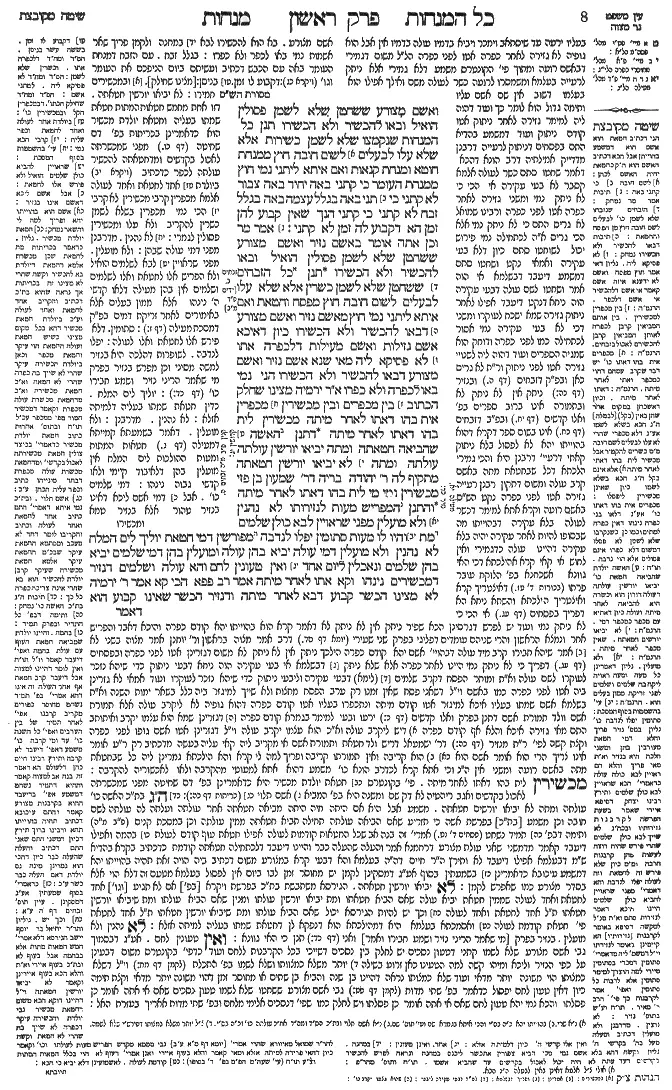
Menachot 4b - Guemara
ואשם מצורע ששחטן שלא לשמן פסולין הואיל ובאו להכשיר ולא הכשירו תנן כל המנחות שנקמצו שלא לשמן כשירות אלא שלא עלו לבעלים לשום חובה חוץ ממנחת חוטא ומנחת קנאות ואם איתא ליתני נמי חוץ ממנחת העומר כי קתני באה יחיד באה צבור לא קתני כי תני באה בגלל עצמה באה בגלל זבח לא קתני כי קתני הנך שאין קבוע להן זמן הא דקבוע לה זמן לא קתני:
אמר מר וכן אתה אומר באשם נזיר ואשם מצורע ששחטן שלא לשמן פסולין הואיל ובאו להכשיר ולא הכשירו תנן כל הזבחים ששחטן שלא לשמן כשרין אלא שלא עלו לבעלים לשום חובה חוץ מפסח וחטאת ואם איתא ליתני נמי חוץ מאשם נזיר ואשם מצורע דבאו להכשיר ולא הכשירו כיון דאיכא אשם גזילות ואשם מעילות דלכפרה אתו לא פסיקא ליה מאי שנא אשם נזיר ואשם מצורע דבאו להכשיר ולא הכשירו הני נמי באו לכפרה ולא כפרו א"ר ירמיה מצינו שחלק הכתוב בין מכפרים ובין מכשירין מכפרין אית בהו דאתו לאחר מיתה מכשירין לית בהו דאתו לאחר מיתה דתנן האשה שהביאה חטאתה ומתה יביאו יורשין עולתה עולתה ומתה לא יביאו יורשין חטאתה מתקיף לה ר' יהודה בריה דר' שמעון בן פזי מכשירין נמי מי לית בהו דאתו לאחר מיתה והתנן המפריש מעות לנזירותו לא נהנין ולא מועלין מפני שראויין לבא כולן שלמים מת והיו לו מעות סתומין יפלו לנדבה מפורשין דמי חטאת יוליך לים המלח לא נהנין ולא מועלין דמי עולה יביא בהן עולה ומועלין בהן דמי שלמים יביא בהן שלמים ונאכלין ליום אחד ואין טעונין לחם והא עולה ושלמים דנזיר דמכשירים נינהו וקא אתו לאחר מיתה אמר רב פפא הכי קא אמר ר' ירמיה לא מצינו הכשר קבוע דבא לאחר מיתה ודנזיר הכשר שאינו קבוע הוא
Comments from Rashi on Masechet Menachot Page 4b
אשם מצורע . בא הוא להכשירו לבא במחנה ולקמן פריך שאר אשמות נמי באו לכפר ולא כפרו: בגלל זבח . עם הזבח דמנחת העומר באה עם הכבש דכתיב ועשיתם ביום הניפכם את העומר וגו' (ויקרא כג): דקבוע לו זמן . בניסן: [מצינו שחילק] . ובמכשירים חמירו: לא יביאו יורשין חטאתה . דזו אחת מחמש חטאות המתות חטאת שמתו בעליה וחטאת יולדת מכשיר הוא כדאמרינן בכריתות בפ' דם שחיטה (דף כו.) מפני שמכשרתה לאכול בקדשים ומדחטאתה להכשיר עולתה לכפר כדכתיב (ויקרא יב) ביולדת אחד לחטאת ואחד לעולה אלמא מכפרין קרבי מכשירין לא קרבי הכי נמי מכפרין בשלא לשמן כשרין להקריב ולא עלו ומכשירין פסולין לגמרי: לא נהנין . מדרבנן מפני דמי עולה שבהן: ולא מועלין . מפני שראויין לבא לשלמים הואיל ולא הפריש אלו לחטאת ואלו לשלמים ושלמים אין בהן מעילה דלאו קדשי ה' נינהו אלא ממון בעלים אלא באימורים לאחר זריקת דמים בפ"ק דמסכת מעילה (דף ז:): סתומין . דלא פירש אלו לחטאת ואלו לעולה: יפלו לנדבה . לשופרות דהלכה היא בנזיר למשה מסיני וכן מפרש בנזיר בפרק מי שאמר הריני נזיר ושמע חבירו כו' (דף כד:): יוליך לים המלח . כדין חטאת שמתו בעליה דלמיתה אזלא: לא נהנין . מדרבנן: ולא מועלין . דאמר בשמעתא קמייתא דמעילה (דף ג.) חטאות המתות ומעות ההולכות לים המלח אין מועלין בהן דלאיבוד קיימי ולאו קדשי גבוה נינהו: דמי שלמים כו' . אבל דמי אשם ליכא דאינו בנזיר טהור אלא בנזיר טמא ומכשירו להתחיל נזירות טהרה: ליום אחד . כחומר שלמי נזיר כדאמרינן באיזהו מקומן (זבחים דף נד.): ואין טעונים לחם . דבעינן ונתן על כפי הנזיר וליכא: קבוע . דאין שם שום ד"א מכשיר הבעלים אלא הוא:
Comments from Tosafot - Menachot 4b
מכשירין לית בהו דאתו לאחר מיתה. פי' בקונטרס חטאת יולדת מכשיר היא כדאמרינן בפ' דם שחיטה מפני שמכשרתה לאכול בקדשים ואגב ריהטיה לא דק שם ומשנה היא בפ' המביא אשם תלוי (כריתות דף כה:): ה"ג בת"כ האשה כו' עולתה ומתה לא יביאו יורשים חטאתה. משמע אבל היא אם היתה חיה היתה מביאה חטאתה אחר עולתה ועלתה לה עולתה לשם חובה וכן משמע [בת"כ] בפרשת אשה כי תזריע שאם הביאה עולתה תחילה תביא חטאתה ממין עולתה וכן במסכת קנים (פ"ב מ"ה) ותימה דבפ' תמיד נשחט (פסחים ד' נט.) אמרי' זה בנה אב שכל החטאות קודמות לעולה אפילו חטאת עוף קודם לעולת בהמה ואפילו דיעבד קאמר מדמשני שאני עולת מצורע דרחמנא אמר והעלה שהעלה כבר והיינו דיעבד דלכתחילה חטאתה קודמת כדכתיב בקרא בהדיא ש"מ דבעלמא אפילו דיעבד לא ותירץ ה"ר חיים דה"ה בעלמא והא דבעי קרא במצורע משום דכתיב ביה הויה זאת תהיה בהוייתו יהא דמשמע עיכובא כדאמרינן בשמעתין בסוף אע"ג דמסקינן לקמן יש מחוסר זמן לבו ביום אין לפסול בעלמא מטעם זה דלא הוי אלא בסדר מצורע כמו שאפרש לקמן: לא יביאו יורשין חטאתה. הגירסא משתבשת בת"כ בפרשת ויקרא [בפ'] אם לא תגיע [וגו'] אחד לחטאת ואחד לעולה שממין חטאת יביא עולה שאם הביא חטאתו ומת יביאו יורשין עולתו ומנין שאם הביא עולתו ומת שיביאו יורשין חטאתו ת"ל אחד לחטאת ואחד לעולה וכך יש להיות הגירסא יכול שאם הביא עולתו ומת שיביאו יורשין חטאתו ת"ל אחד לחטאת פי' חטאת קודמת לעולה ואסמכתא בעלמא היא דמהילכתא הוא דנפקא לן דחטאת שמתו בעליה למיתה אזלא: לא נהנין ולא מועלין. בנזיר בפרק [מי שאמר הריני נזיר ושמע חבירו ואמר] ואני (דף כד:) תנן כי האי גוונא: ואין טעונין לחם. אע"ג דבסמוך גבי אשם מצורע שלא לשמו קתני דטעון נסכים יש לחלק בין נסכים דשייכי בכל הקרבנות ללחם ועוד כדפי' בקונטרס משום דבעינן על כפי הנזיר וליכא ומיהו קשה למה הטעינו כאן זרוע בשילה יותר משלא כמצוותו ושלא לשמו בפ' התכלת (לקמן מנחות דף מח:) וי"ל דשלא כמצותו הוי משונה יותר מדאי ועוד שלא כמצותו נראה דהיינו בן שנה והביא בן שתים או מחוסר זמן דהוי משונה יותר מדאי וקצת תימה כיון דאין טעון לחם יפסול כדאמר בפ' שתי מדות (לקמן מנחות דף פט:) גבי אשם מצורע ששחטו שלא לשמו טעון נסכים שאם אי אתה אומר כן פסלתו והכא נמי יהא טעון לחם שאם אי אתה אומר כן פסלתו ויש לחלק כמו שפי' דנסכים אלימי מלחם ובפ' שתי מדות אאריך בעזרת האל:
Menachot 4b - Mishnah translated into english
and so you say with regard to the guilt offering of a leper, whose proper sacrifice enables the leper to enter the Israelite camp and to partake of offerings of sanctity, that if one slaughtered these offerings not for their sake, they are disqualified. They are disqualified since their sacrifice came to render the nazirite and leper fit, and these guilt offerings did not render them fit.
The Gemara asks: We learned in the mishna that all the meal offerings from which a handful was removed not for their sake are fit for sacrifice but they did not satisfy the obligation of the owner, except for the meal offering of a sinner and the meal offering of jealousy. And if it is so that an omer meal offering from which a handful was removed not for its own sake is disqualified, then let the mishna also teach: Except for the omer meal offering.
The Gemara responds: When the mishna teaches this halakha, it teaches it only with regard to meal offerings that come on behalf of an individual. The mishna does not teach the halakha with regard to those meal offerings that come on behalf of the community. Additionally, when the mishna teaches this halakha, it is only with regard to a meal offering that comes on account of itself, i.e., as an independent offering. The mishna does not teach the halakha with regard to a meal offering that comes on account of, i.e., together with, a slaughtered offering, e.g., the omer meal offering, which is brought along with two sheep.
The Gemara adds: Furthermore, when the mishna teaches this halakha, it is only with regard to those meal offerings whose time is not set, i.e., they may be sacrificed on any date. The mishna does not teach the halakha with regard to this omer meal offering, whose time for offering is set on the sixteenth of Nisan.
§ The Gemara analyzes the statement of Rav. The Master said: And so you say with regard to the guilt offering of a nazirite who became ritually impure, and so you say with regard to the guilt offering of a leper, that if one slaughtered these offerings not for their sake, they are disqualified. They are disqualified since their proper sacrifice came to render the nazirite and leper fit, and they did not render them fit.
The Gemara asks: We learned in a mishna (Zevaḥim 2a): All slaughtered offerings that one slaughtered not for their sake are fit, but they did not satisfy the obligation of the owner. This is the halakha with regard to all offerings except for the Paschal offering and the sin offering, which are disqualified when slaughtered not for their sake. And if it is so that the halakha is in accordance with the statement of Rav, let the mishna also teach: Except for the guilt offering of a nazirite and the guilt offering of a leper, since they came to render one fit and they did not render one fit.
The Gemara answers: Since there are other guilt offerings, i.e., the guilt offering for robbery, which one brings for taking a false oath denying an accusation of robbery, and the guilt offering brought for misuse of consecrated property, that come for atonement, which do not render one fit and are fit for sacrifice if they were slaughtered not for their sake, the tanna of the mishna could not state the halakha with regard to guilt offerings in an absolute manner, and therefore he refrains from mentioning guilt offerings at all.
The Gemara asks: What is different about the guilt offering of a nazirite and the guilt offering of a leper? Why are they disqualified when slaughtered not for their sake since they came to render fit and they did not render fit? These, i.e., the guilt offerings for robbery and for misuse of consecrated property, should likewise be disqualified when slaughtered not for their sake, since they came for atonement and they did not atone.
Rabbi Yirmeya said in response: We find that the Torah differentiates between those guilt offerings that atone and those that render fit, and the halakha is more stringent with regard to those that render fit. Rabbi Yirmeya elaborates: With regard to those guilt offerings that atone, there are among them offerings that come after death, i.e., they are sacrificed after the death of their owners, whereas with regard to those that render fit, there are none among them that come after death. As we learned in a mishna (Kinnim 2:5): With regard to a woman after childbirth who brought her sin offering for her ritual purification and died, the heirs shall bring her burnt offering, which comes to atone. If she set aside her burnt offering and died, the heirs shall not bring her sin offering, as it comes to render her fit to partake of offerings.
Rabbi Yehuda, son of Rabbi Shimon ben Pazi, objects to this: With regard to offerings that render fit as well, are there not among them offerings that come after death? But didn’t we learn in a mishna (Me’ila 11a): In the case of one who separates funds for the offerings of his naziriteship, i.e., his sin offering, burnt offering, and peace offering, a person may not derive benefit from them ab initio, but if one benefited from them after the fact, he is not liable for misuse of consecrated property, i.e., he is not required to bring a guilt offering and is not obligated to repay the principal and an additional fifth. This is because the coins are all fit for bringing peace offerings, and there is no misuse of consecrated property with regard to funds fit for a peace offering.
The mishna continues: If the nazirite died and he had undesignated funds that he set aside to pay for his nazirite offerings without specifying how much money should be allocated toward each offering, they will be allocated for communal gift offerings. If he left behind allocated funds, then with regard to the money for a sin offering, one must take it and cast it into the Dead Sea; one may not benefit from it ab initio, but if one benefited from it after the fact, he is not liable for misuse of consecrated property. With regard to the money for a burnt offering, one brings with it a burnt offering, and one is liable for misusing them.
The mishna concludes: With the money for a peace offering, one brings a peace offering with it, and these offerings are eaten for one day, like the peace offering brought by a nazirite, and do not require the loaves that are normally bought with the peace offering of a nazirite. Rabbi Yehuda explains his question: But the burnt offering and peace offering of a nazirite are offerings that render the nazirite fit to drink wine, and yet they come after death.
Rav Pappa said in response that this is what Rabbi Yirmeya is saying: We do not find an instance of a fixed manner of rendering fit that comes after death, i.e., there is no instance where the only offering that will render one fit to act in a manner previously prohibited to him may be sacrificed after death. And the offerings of a nazirite are examples of a means of rendering fit that is not fixed,
Traduction : The William Davidson digital edition of the Koren Noé Talmud, with commentary by Rabbi Adin Even-Israel Steinsaltz.