 Talmud Bavli
Me'ilah 21b : Youtube
Rabbi Dr. Moshe WeisblumYoutube
1 video class :
Me'ilah Page 21b
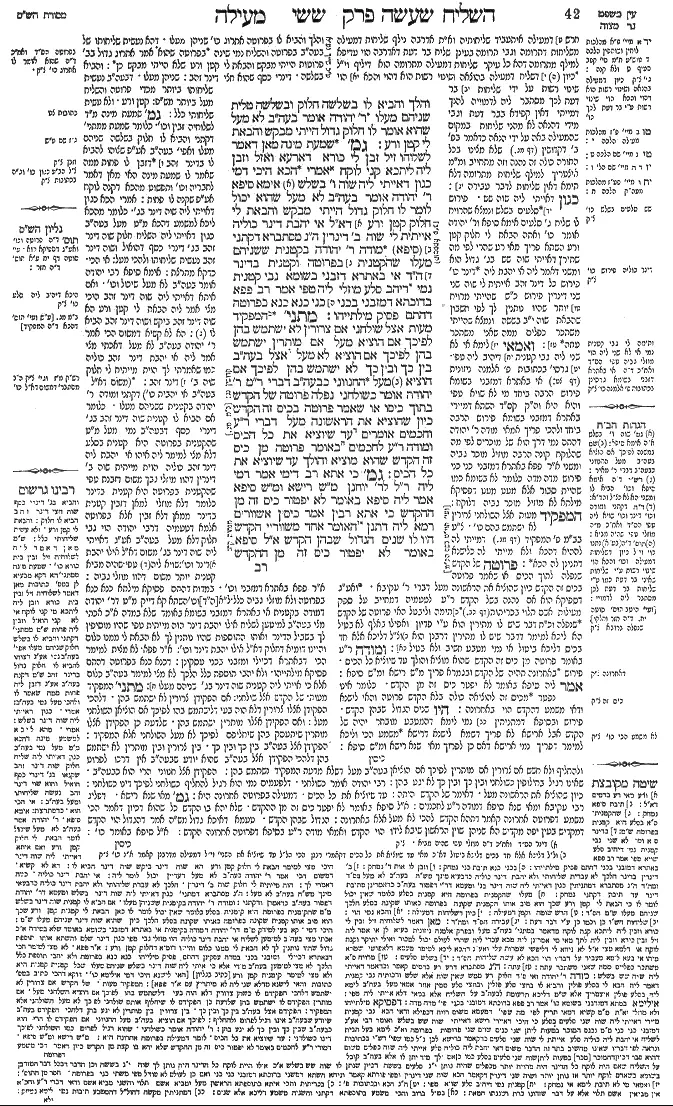
Me'ilah 21b - Guemara
והלך והביא לו בשלשה חלוק ובשלשה טלית שניהם מעלו ר' יהודה אומר בעה"ב לא מעל שהוא אומר לו חלוק גדול הייתי מבקש והבאת לי קטן ורע גמ׳ שמעת מינה מאן דאמר לשלוחו זיל זבן לי כורא דארעא ואזל וזבן ליה ליתכא קני לוקח אמרי הכא היכי דמי כגון דאייתי ליה שוה ו' בשלש אימא סיפא ר' יהודה אומר בעה"ב לא מעל שהוא יכול לומר לו חלוק גדול הייתי מבקש והבאת לי חלוק קטן ורע דא"ל אי יהבת דינר כוליה אייתית לי שוה ב' דינרין ה"נ מסתברא דקתני (סיפא) מודה ר' יהודה בקטנית ששניהם מעלו שהקטנית בפרוטה וקטנית בדינר ה"ד אי באתרא דזבני בשומא גבי קטנית נמי דיהב סלע מוזלי ליה טפי אמר רב פפא בדוכתא דמזבני בכני כני כנא כנא בפרוטה דהתם פסיק מילתייהו מתני׳ המפקיד מעות אצל שולחני אם צרורין לא ישתמש בהן לפיכך אם הוציא מעל אם מותרין ישתמש בהן לפיכך אם הוציא לא מעל אצל בעה"ב בין כך ובין כך לא ישתמש בהן לפיכך אם הוציא מעל החנווני כבעה"ב דברי ר"מ ר' יהודה אומר כשולחני נפלה פרוטה של הקדש בתוך כיסו או שאמר פרוטה בכיס זה הקדש כיון שהוציא את הראשונה מעל דברי ר"ע וחכמים אומרים עד שיוציא את כל הכיס ומודה ר"ע לחכמים באומר פרוטה מן כיס זה הקדש שהוא מוציא והולך עד שיוציא את כל הכיס גמ׳ כי אתא רב דימי אמר רמי ליה ר"ל לר' יוחנן מ"ש רישא ומ"ש סיפא אמר ליה סיפא באומר לא יפטור כיס זה מן ההקדש כי אתא רבין אמר כיסין אשוורים רמא ליה דתנן האומר אחד משווריי הקדש היו לו שנים הגדול שבהן הקדש א"ל סיפא באומר לא יפטור כיס זה מן ההקדש
Comments from Rashi on Masechet Me'ilah Page 21b
והביא בשלשה . דינרי כסף שהוא חצי דינר זהב: שניהן מעלו . דבעה"ב נעשית שליחותו ביותר מכדי פרוטה והשליח מעל ביותר מש"פ: קטן ורע . ולא עשית שליחותי כלל: גמ' שמעת מינה מ"ד לשלוחיה זבין וכו' . כלומר שמעת ממתני' דקתני והביא לו חלוק בשלשה שניהם מעלו ואפי' בעה"ב אע"פ שצוהו להביא לו בדינר זהב דזבן לו פחות ממה שאמר לו שמעת מינה האי מאן דאמר לחבריה וכו' ותפשוט מהכא דקנה לוקח אע"פ שקנה לו פחות: אמרי הכא כגון דאייתי ליה שוה דינר בג' . כלומר מהכא ליכא למשמע דהכא מ"ט מעל בעה"ב כגון דאייתי ליה השליח חלוק שוה דינר זהב בג' דינרי כסף דהואיל ושוה דינר זהב נעשית שליחותו ולהכי מעל: אי הכי . כדקא מתרצת: אימא סיפא רבי יהודה אומר בעה"ב לא מעל שיכול וכו' . ואם איתא דאייתי ליה שוה דינר זהב היכי מצי אמר ליה הבאת לי קטן ורע הא שוה דינר זהב ביקש ושוה דינר זהב הביא לו: הא לא קשיא דמשום הכי אמר ר' יהודה בעה"ב לא מעל דאכתי מצי אמר ליה אי יהבת דינר זהב כוליה כמו שאמרתי לך הוית מייתית לי חלוק שוה ב' דינר זהב: (משום דא"ל בעה"ב אי יהבית כו') דקתני ומודה ר' יהודה בקטנית ששניהם מעלו . כלומר אם הביא לו קטנית שוה דינר זהב בג' דינרי כסף דבעה"ב נמי מעל מ"ט שהקטנית בפרוטה היא קטנית בסלע דלא מצי למימר ליה איהו אי יהבת ליה דינר זהב כוליה הוית מייתית שוה ב' דינרין דהוו מוזלי גבך משום דזבנת טפי שהקטנית בפרוטה היא קטנית בדינר כלומר דלא מוזלי למאן דזבין קטנית בדינר ממאן דלא זבין אלא בפרוטה. אלמא דטעמיה דרבי יהודה הוי גבי חלוק דלא מעל בעה"ב אע"ג דאייתי ליה שוה דינר בג' משום דא"ל אילו יהבת דינר וכו': שויא ליה טפי . שהיה מביא קטנית יותר משום דהוו מוזלי גביה: א"ר פפא באתרא דמזבני וכו' . במדות דהתם פסיקא מילתא כנא כנא בפרוטה ולא מוזלי גביה כלל. ל"א [ה"ד] וכו' השתא קא דייק מ"ט דר' יהודה דמודה בקטנית אי באתרא דמזבני בשומא באומד שלא במדה א"כ אכתי מצי בעה"ב למיטען לשליח אילו יהבת דינר הוה מייתית טפי שהיו מוסיפין לך בשביל הדינר ואותו התוספות שהיו נותנין לך לא הבאת לי ממנו כלום והיינו דומיא דחלוק דא"ל אילו יהבת דינר וכו': א"ר פפא . לא מצית למימר הכי דבאתרא דכיילי ומזבני בכני עסקינן: דכנא כנא בפרוטה דהתם פסיקא מילתייהו . ולא יהבי תוספת כלל הלכך לא מצי למימר בעה"ב כלום אלא כי אייתי ליה קטנית שוה דינר בג' שניהם מעלו: מתני' המפקיד מעות . של הקדש אצל שולחני: אם הפקידן צרורין לא ישתמש בהן . דלהכי הפקידן אצלו צרורין דלא הוה בעי דלישתמש בהו לפיכך אם הוציאן השולחני מעל: ואם הפקידן אצלו מותרין ישתמש בהן . שלדעת כן הפקידן אצלו מותרין שיתעסק בהן שיחליפם לפיכך לא מעל השולחני אלא המפקיד: הפקידן אצל בעה"ב בין כך ובין כך . בין צרורין ובין מותרין לא ישתמש בהן דלהכי הפקידן אצל בעה"ב שהוא יודע שבעה"ב אין דרכו לפרוט ולהחליף ולא חשש אם צרורין אם מותרין לפיכך אם הוציאן בעה"ב מעל דשלא מדעת המפקיד נשתמש בהן: הפקידן אצל חנווני הרי הוא כבעה"ב . שאינו רגיל בחילופין כשולחני ובין כך ובין כך לא יגע בהן: רבי יהודה אומר כשולחני . דלפעמים נמי הוא רגיל להחליף כשולחני לפיכך דינו כשולחני: כיון שהוציא את הראשונה מעל . דאימר של הקדש היתה: עד שיוציא את כל הכיס . דמעילה בפרוטה אחרונה היא: גמ' מאי שנא רישא . דפליג רבי עקיבא ומאי שנא סיפא דמודה ר"ע לחכמים: א"ל סיפא באומר לא יפטר כיס זה מן ההקדש . שלא יהא בו הקדש כל שהוא דכיון דאמר הכי משמע דפרוטה אחרונה קאמר דתהא הקדש להכי לא מעל אלא באחרונה: הגדול שבהן הקדש . טעמא דאיכא גדול מש"ה אמר דהגדול הוי הקדש דמקדיש בעין יפה מקדיש הא שניהן שוין הראשון שיבא לידו הוי הקדש ואמאי מודה ר"ע בסיפא דפרוטה אחרונה הקדש: א"ל סיפא באומר כו':
Comments from Tosafot - Me'ilah 21b
כגון דאייתי ליה שוה שש . פירוש סלעים בשלש ונמצא שהרויח לו שליח ג' סלעים אימא סיפא ור' יהודה אומר כו' ואתה הבאת לי חלוק קטן ורע השתא פריך מאי רע שהרי לפי מה שתירץ דאייתי שוה שש בג' גדול הוא ומשני דאמר ליה אי יהבת ליה דינר כו' פירוש כל דינר זהב אייתית לי שוה שני שני דינרין פירוש כ"ש שהייתי מרויח יותר שהיו נותנין לך לפי חשבון שהבאת שוה י"ב בששה ונמצא שהייתי משתכר כפלים ממה שאני משתכר עתה: ואמאי לימא אי לא שני ליה גבי קטנית דיהיב ליה טפי . גרסי' בכתובות פ' אלמנה ניזונית (דף צט:) אי באתרא דמזבני בשומא פירוש הרבה ביחד מי לא שויא טפי והיא היא וה"ק קס"ד השתא דמיירי באתרא דמזבני בשומא פירוש הרבה ביחד ולהכי פריך אמאי מודה ר' יהודה דהתם נמי דרך הוא של מוכרים לפי מה שהלוקח קונה הרבה מוזיל מוכר גביה ומשני א"ר פפא באתרא דמזבני כני כני פירוש מדה מדה כלומר לא בשומא כמו שהיית סבור אלא מעט מעט דפסיקא מילתא לא מוזיל מוכר גביה דלוקח: המפקיד מעות אצל השולחני צרורין לא ישתמש בהם כו' . צ"ע בב"מ פ' המפקיד (דף מג.) דמייתי לה לההיא דהכא ולא מייתי לה כלישנא דתנינן לה הכא: פרוטה של הקדש שנפלה לתוך הכיס או שאמר פרוטה בכיס זה הקדש כיון שהוציא את הראשונה מעל דברי ר' עקיבא . ואע"ג דספיקא הוא אם נהנה בשל הקדש ר"ע לטעמיה דמחייב על ספק מעילות אשם תלוי בכריתות (דף כב.) תימה וליבטל האי פרוטה של הקדש שנפלה וכ"ת דבר שיש לו מתירין הוא ע"י פדיון ואפילו באלף לא בטיל הא ליכא למימר דדבר שיש לו מתירין דרבנן הוא וצ"ל דליכא אלא חד בכיס דליכא ביטול אי נמי מטבע חשיב ולא בטיל: ומודה ר"ע באומר פרוטה מן כיס זה הקדש שהוא מוציא והולך עד שיוציא כל הכיס . פירוש באחרונה תהיה של הקדש ובגמרא פריך מ"ש רישא ומ"ש סיפא: אמר ליה סיפא באומר לא יפטר כיס זה מן הקדש . כלומר אינו נפטר מכיס זה להוציאה כולה בלא הקדש פרוטה והאי לישנא ודאי משמע דהקדש הוי באחרונה: היו שנים הגדול שבהן הקדש . פירוש ובסיפא דמתניתין נמי לימא דהמטבע מובחר יהיה של הקדש אבל ארישא לא פריך דשמא לישנא דרישא משמע הכי וליכא למימר דפריך נמי ארישא דאם כן לפרוך מאי שנא רישא ומ"ש סיפא:
Me'ilah 21b - Mishnah translated into english
and the agent went and brought him a robe with three sela and a cloak with three sela, both of them are liable for misuse. The homeowner is liable because his agency was performed with the purchase of the robe for three sela, and the agent is liable because he deviated from the homeowner’s instructions by purchasing the cloak. Rabbi Yehuda says: The homeowner is not liable for misuse, as he can say to the agent: I was seeking a large robe worth a gold dinar and you brought me a small, inferior robe worth three sela, i.e., twelve silver dinars.
GEMARA: The Gemara notes: One can learn from the mishna the resolution to an unresolved dilemma in tractate Ketubot (98b), that in a case of one who said to his agent: Go and sell on my behalf a kor of land, and he went and sold for him a half-kor, the purchaser acquires the half-kor of land that he purchased. Although the agent did not fulfill his agency entirely, the part that he did perform is valid.
Some Sages say that one cannot infer this resolution from the mishna. What are the circumstances of the mishna here? It is referring a case where the agent brought him a robe worth six sela, i.e., the value of the gold dinar that the homeowner gave him, which he acquired for three sela. If so, the homeowner received exactly what he wanted and the agent did not deviate from the agency, except that he also purchased a cloak without being instructed to do so. This is dissimilar to the case of an agent who sells a half-kor of land.
The Gemara raises a difficulty: If that is the case of the mishna, say the latter clause: Rabbi Yehuda says: The homeowner is not liable for misuse, as he can say to the agent: I was seeking a large robe worth a gold dinar, and you brought me a small, inferior robe worth three sela. It is clear from the mishna that the homeowner did not receive exactly what he wanted, but rather an inferior robe.
The Gemara explains that Rabbi Yehuda means that the homeowner could have said to the agent: Since you chanced upon a merchant who reduced his prices to such a degree, if you had given the entire dinar as I requested, you could have brought me a much finer robe, worth at least two dinars.
The Gemara adds: This too stands to reason, that this is the correct interpretation of the mishna, as it teaches in the latter clause, i.e., it is taught in the Tosefta (2:4): Rabbi Yehuda concedes in a case where the agent purchased only part of the legumes which the one who appointed him requested, that both are liable for misuse of consecrated property. The reason for this ruling is that a small amount of legumes is always sold for one peruta and a larger amount of legumes is invariably sold for a dinar. One can infer from Rabbi Yehuda’s statement that in the case of another item, e.g., a robe, purchasing a superior-quality robe for a higher price would bring additional benefit to the homeowner.
The Gemara analyzes the baraita: What are the circumstances? If it is referring to a town where they sell legumes by appraisal of an item’s value, then with regard to these legumes as well, purchasing a larger quantity should reduce the price, which would mean that if one gave a sela the price of the legumes would become cheaper. Rav Pappa said: The Tosefta is referring to a town where they sell and set the price by containers, and each container is the same price: Each and every container is sold for one peruta. The significance of this fact is that there the matter is fixed, i.e., each container of legumes is sold for the same price, regardless of the quantity of legumes purchased; there is no reduction for buying in bulk.
MISHNA: With regard to one who deposits consecrated money with a money changer, if the money is bound, the money changer may not use it. Therefore, if the money changer spent the money, he is liable for its misuse. If the money was unbound he may use it, and therefore if the money changer spent the money, he is not liable for its misuse. By contrast, if one deposited money with a homeowner, whether it is bound or whether it is unbound, the one with whom it was deposited may not use it, and therefore if he spent the money, he is liable for misuse. In this regard, the halakhic status of a storekeeper is like that of a homeowner; this is the statement of Rabbi Meir. Rabbi Yehuda says: The halakhic status of a storekeeper is like that of a money changer.
If a consecrated peruta fell into one’s purse, in which there were non-sacred perutot, or in a case where one said: One peruta in this purse is consecrated, once he spent the first peruta from the purse for non-sacred purposes, he is liable for its misuse. This is the statement of Rabbi Akiva. And the Rabbis say: He is not liable for misuse until he spends all the perutot in the entire purse, as only then is it certain that he spent the consecrated peruta.
And Rabbi Akiva concedes to the Rabbis in a case where one says: One peruta from the coins in this purse is consecrated, that he may continue spending the perutot in the purse for non-sacred purposes and becomes liable for misuse only once he spends all the perutot in the entire purse. His formulation indicates that his desire was that the final remaining peruta in the purse would be consecrated, and therefore one is liable for misuse only when he spends that peruta.
GEMARA: The mishna teaches that Rabbi Akiva concedes to the Rabbis in a case where one says: One peruta from the coins in this purse is consecrated, that he may continue spending the perutot in the purse for non-sacred purposes and that he becomes liable for misuse only once he spends all the perutot in the entire purse. With regard to this case, the Gemara relates that when Rav Dimi came from Eretz Yisrael to Babylonia, he said that Reish Lakish raised a contradiction to Rabbi Yoḥanan: What is different in the first clause, which addresses a situation where one says: One peruta in this purse is consecrated, in which case Rabbi Akiva disagrees with the Rabbis, and what is different in the latter clause, where he agrees with them?
Rabbi Yoḥanan said to Reish Lakish: The latter clause of the mishna is referring to a case where one said: This purse will not be exempt from consecration. In other words, his desire was that he would not spend all of the perutot in the purse without consecrating one to the Temple. Consequently, he is liable for misuse only when he uses the last coin in the purse for non-sacred purposes and leaves none to be consecrated.
The Gemara further relates that when Ravin came from Eretz Yisrael to Babylonia he said that Reish Lakish raised a contradiction to Rabbi Yoḥanan between the mishna here, discussing purses, and another mishna, discussing bulls. As we learned in a mishna (Menaḥot 108b): With regard to one who says: One of my bulls is consecrated, if he had two bulls, then the larger of them is consecrated. The reason is that there is an assumption that one consecrates generously, and therefore he would have had the larger of the two bulls in mind. If so, in the case of the purses, why does the mishna not rule that his intent was for the best, i.e., the least worn-out, of the perutot? Rabbi Yoḥanan said to him: The latter clause of the mishna is referring to a case where one said: This purse will not be exempt from consecration. In other words, he did not have in mind the best of the perutot, but the last of the coins.
Traduction : The William Davidson digital edition of the Koren Noé Talmud, with commentary by Rabbi Adin Even-Israel Steinsaltz.