 Talmud Bavli
No video class on this page yet.
To add a video to this page please click here.Keritot Page 18a
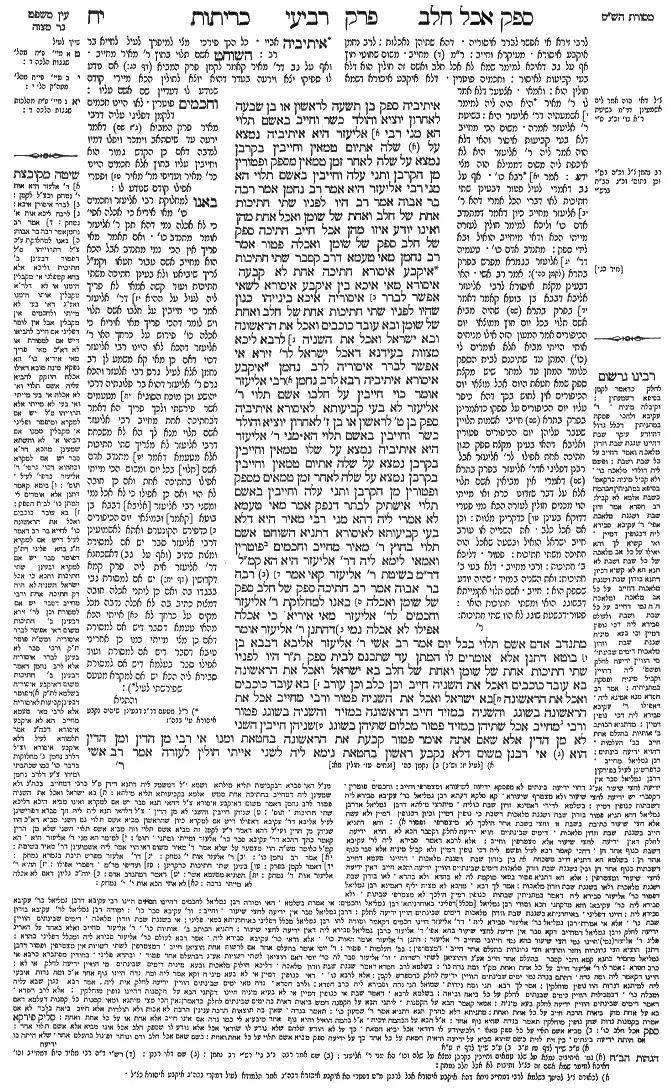
Keritot 18a - Guemara
איתיביה ספק בן תשעה לראשון או בן שבעה לאחרון יוציא והולד כשר וחייב באשם תלוי הא מני רבי אליעזר היא איתיביה נמצא על שלה אתיום טמאין וחייבין בקרבן נמצא על שלה לאחר זמן טמאין מספק ופטורין מן הקרבן ותני עלה וחייבין באשם תלוי הא מני רבי אליעזר היא אמר רב נחמן אמר רבה בר אבוה אמר רב היו לפניו שתי חתיכות אחת של חלב ואחת של שומן ואכל אחת מהן ואינו יודע איזו מהן אכל חייב חתיכה ספק של חלב ספק של שומן ואכלה פטור אמר רב נחמן מאי טעמא דרב קסבר שתי חתיכות איקבע איסורא חתיכה אחת לא קבעה איסורא מאי איכא בין איקבע איסורא לשאי אפשר לברר איסוריה איכא בינייהו כגון שהיו לפניו שתי חתיכות אחת של חלב ואחת של שומן ובא עובד כוכבים ואכל את הראשונה ובא ישראל ואכל את השניה לרבא ליכא מצוות בעידנא דאכל ישראל לר' זירא אי אפשר לברר איסוריה לרב נחמן איקבע איסורא איתיביה רבא לרב נחמן רבי אליעזר אומר כוי חייבין על חלבו אשם תלוי ר' אליעזר לא בעי קביעותא לאיסורא איתיביה ספק בן ט' לראשון או בן ז' לאחרון יוציא והולד כשר וחייבין באשם תלוי הא מני ר' אליעזר היא איתיביה נמצא על שלו טמאין וחייבין בקרבן נמצא על שלה אתיום טמאין וחייבין בקרבן נמצא על שלה לאחר זמן טמאים מספק ופטורין מן הקרבן ותני עלה וחייבין באשם תלוי אישתיק לבתר דנפק אמר מאי טעמא לא אמרי ליה דהא מני רבי מאיר היא דלא בעי קביעותא לאיסורא דתניא השוחט אשם תלוי בחוץ ר' מאיר מחייב וחכמים פוטרין ואמאי לימא ליה דר' אליעזר היא הא קמ"ל דר"מ בשיטת ר' אליעזר קאי אמר רבה בר אבוה אמר רב חתיכה ספק של חלב ספק של שומן ואכלה באנו למחלוקת ר' אליעזר וחכמים לר' אליעזר מאי איריא כי אכלה אפילו לא אכלה נמי דהתנן ר' אליעזר אומר מתנדב אדם אשם תלוי בכל יום אמר רב אשי ר' אליעזר אליבא דבבא בן בוטא דתנן אלא אומרים לו המתן עד שתכנס לבית ספק ת"ר היו לפניו שתי חתיכות אחת של שומן ואחת של חלב בא ישראל ואכל את הראשונה בא עובד כוכבים ואכל את השניה חייב וכן כלב וכן עורב בא עובד כוכבים ואכל את הראשונה בא ישראל ואכל את השניה פטור ורבי מחייב אכל את הראשונה בשוגג והשניה במזיד חייב הראשונה במזיד והשניה בשוגג פטור ורבי מחייב אכל שתיהן במזיד פטור מכלום שתיהן בשוגג שניהן חייבין השני לא מן הדין אלא שאם אתה אומר פטור קבעת את הראשונה בחטאת ומנו אי רבי מן הדין ומן הדין הוא אי רבנן משום דלא נקבע ראשון בחטאת נימא ליה לשני אייתי חולין לעזרה אמר רב אשי
Comments from Rashi on Masechet Keritot Page 18a
לרבי זירא אי אפשר לברר איסוריה . דהא שתיהן נאכלות: לרב נחמן איקבע איסורא . מעיקרא וחייב: ר"מ מחייב . משום שחוטי חוץ אף על גב דאיכא למימר שמא לא אכל חלב ואשם זה חולין הוא דלא בעי קביעות לאיסור: וחכמים פוטרין . דלא איקבע איסורא דשמא חולין הוא: ואמאי . אצטער דלא אמר לו ר' מאיר היא הוה ליה למימר אשמעתיה דר' אליעזר היא: בשיטת ר' אליעזר אמרה . משום הכי מחייב דלא בעי קביעות איסור והאי דלא הוה אמר ליה ר' אליעזר היא לא איכפת ליה משום דממילא הוה מצי ידע: אמר רבא כו' . אף על גב דאמרי לעיל פטור דבעינן שתי חתיכות לאו דברי הכל אמרי דהא ר' אליעזר מחייב כיון דאמר דמתנדב אדם כו' וליכא למימר חולין לעזרה מייתי הכא ודאי מיחייב הואיל ובא לידי ספק: מתנדב אדם כו' . טעמיה דר' אליעזר בגמרא מפרש בפרק בתרא (לקמן כריתות כה.): אמר רב אשי . האי דבעינן מקצת איסורא לרבי אליעזר אליבא דבבא בן בוטא קאמר דאמר בפרק בתרא (שם) שהיה מביא אשם תלוי בכל יום חוץ ממוצאי יום הכיפורים אמר המעון הזה אילו מניחים אותי הייתי מביא אלא אומרים לי (כו') המתן עד שתיכנס לבית הספק כלומר המתן עד למחר שיש מקצת ספק שמא חטאת היום אבל מוצאי יום הכיפורים אין לחוש בכך דהא כיפר עליו יום הכיפורים על ספקו כדאמרינן בפרק בתרא (שם) חייבי אשמות תלויין שעבר עליהן יום הכיפורים פטורין ואליבא דהאי בעינן מקצת ספק כגון חתיכה אחת אפילו לר' אליעזר אבל רבנן דפליגי אדר' אליעזר בפרק בתרא (שם) דאמרי אין מביאין אשם תלוי אלא על דבר שזדונו כרת ואי מייתי הוי מכניס חולין לעזרה הכא נמי פטרי דדוקא בעינן כדקרינן מצוות: וכן אם אכל כלב . את השנייה או עורב חייב ישראל הואיל ובשעה שאכל הוה חתיכה משתי חתיכות: פטור . דליכא ב' חתיכות: ורבי מחייב . דלא בעי ב' חתיכות: ואת השניה במזיד . שהיה יודע שספק הוא: חייב . אשם תלוי אקמייתא דבשוגג הואי ומשתי חתיכות הואי: פטור . דבשעת שוגג לא הוו שתי חתיכות:
Comments from Tosafot - Keritot 18a
השוחט אשם תלוי בחוץ ר' מאיר מחייב . ואף על גב דר' מאיר קאמר לקמן פרק המביא (כריתות דף כג:) אם נודע לו ספיקו יצא וירעה בעדר דהוא יוצא לחולין הכא מיירי קודם שנודע לו דעדיין שם אשם עליו: וחכמים פוטרין . לאו היינו חכמים דלקמן דפליגי עליה דרבי מאיר פרק המביא (ג"ז שם) דאמר ירעה עד שיסתאב וימכר ויפלו דמיו לנדבה דאם כן הקדש גמור הוא וחייבין עליו בחוץ אלא חכמים היינו כר' מאיר ועדיפי מר' מאיר ופטרי אפילו קודם שנודע לו: באנו למחלוקת רבי אליעזר וחכמים כו' מאי איריא כי אכלה אפי' כי לא אכלה נמי דהא תנן ר' אליעזר אומר מתנדב כו' . ואם תאמר מאי פריך אין הכי נמי מתנדב אבל הכא הוא מחייב אשם עבור חטאו וקמ"ל צריך שיביאנו ולא בעינן חתיכה משתי חתיכות ועוד קשה אמאי לא פריך ליה לעיל על ההיא דר' אליעזר אמר כוי חייבין על חלבו אשם תלוי ויש לומר דהכי פריך מאי איריא כי אכלה כו' פירוש על כרחך האי ר' אליעזר דהכא לאו היינו רבי אליעזר דכוי דאם כן מאי קא משמע לן רב נחמן אלא לעיל גרס רבי אלעזר והכא גרס ר' אליעזר דהוא בר פלוגתיה דרבי יהושע וכן מוכח הסוגיא מטעמים אשר פירשתי ולכך פריך הא דאמר דבחתיכה אחת מחייב רבי אליעזר אשם תלוי מנא לך הא לא משכחת דרבי אליעזר לא מצריך שתי חתיכות אלא מטעמא דאמר מתנדב אדם אשם [תלוי] בכל יום ומשום הכי מייתי אפילו בחתיכה אחת ואם כן חובה לא הוי ואם כן אפילו כי לא אכל נמי ומשני רבי אליעזר [אליבא] דבבא בן בוטא [קאמר] ובמוצאי יום הכיפורים כדפירש הקונטרס ואתא לאשמועינן דרבי אליעזר סבר יש אם למסורת ומצות כתיב (ואף על גב) דאשכחנא דר' אליעזר אית ליה פרק קמא דקדושין (דף יח:) יש אם למסורת גבי בבגדו בה ואם כן ליתני אכלה חובה דמצות כתיב בה לא אכלה נדבה מכל מקום על כרחך לא אייתי הכא מהאי טעמא דסבר דיש אם למסורת דאם כן מצי מייתי כמו כן אחריני טובא דסבר דיש אם למסורת ועוד אפילו סבר בעלמא דיש אם למסורת סבירא ליה הכא יש אם למקרא מטעם שפירשתי לעיל:
Keritot 18a - Mishnah translated into english
The Gemara raised an objection to Rabbi Zeira from a baraita: If one consummates a levirate marriage with his yevama and seven months later she gives birth, there is uncertainty whether the child is nine months old and is the offspring of the first husband, or whether the child is only seven months old and is the offspring of the latter husband, i.e., the yavam. In such a case he must divorce her, but the offspring is of unflawed lineage. And to atone for the possibility that they engaged in forbidden intercourse, they are each obligated to bring a provisional guilt offering. The Gemara answers: In accordance with whose opinion is this baraita? It is in accordance with the opinion of Rabbi Eliezer.
The Gemara raised another objection to Rabbi Zeira from a mishna (Nidda 14a): If blood was found on her cloth immediately after intercourse, the woman and her husband are impure for seven days and are each liable to bring a sin offering. If blood was found on her cloth after time passed, they are both impure due to uncertainty and they are exempt from bringing the sin offering. And it is taught with regard to this last case that they are each liable to bring a provisional guilt offering. The Gemara again answers: In accordance with whose opinion is this mishna? It is in accordance with the opinion of Rabbi Eliezer.
§ Rav Naḥman says that Rabba bar Avuh says that Rav says: In a case where one had two pieces of fat before him, one of permitted fat and one of forbidden fat, and he ate one of them and he does not know which of them he ate, he is obligated to bring a provisional guilt offering. But if there was only one piece before him and it was uncertain if it is of forbidden fat and uncertain if it is of permitted fat, and he ate it, he is exempt.
Rav Naḥman said: What is the reason for the opinion of Rav? He holds that one is liable in the case of two pieces because the prohibition was established, i.e., there was definitely a prohibited piece before him, and nevertheless he proceeded to eat one of them. By contrast, he is exempt in the case of one uncertain piece, as the prohibition was not established.
The Gemara asks: What difference is there between the reasoning for Rav’s opinion given by Rav Naḥman, that one is liable in the case of two pieces because the prohibition was established, and the reasoning given by Rabbi Zeira, that if there is one piece it is impossible to identify its prohibition?
The Gemara answers: The difference between them is in a case where someone had two pieces of fat before him, one of forbidden fat and one of permitted fat. And a gentile came and ate the first piece, and then a Jew came and ate the second piece. According to Rava he is exempt, because at the time when the Jew ate the uncertain piece there was only one piece present, which does not fulfill the requirement of two items, as derived from the word mitzvot in the verse. According to Rabbi Zeira he is exempt because it is impossible to identify its prohibition, as both pieces are gone. But according to Rav Naḥman he is liable to bring a provisional guilt offering, as the presence of a prohibition was established, i.e., there was definitely a forbidden piece there at one point.
Rava raised an objection to Rav Naḥman from a baraita. Rabbi Eliezer says: With regard to a koy, one is obligated to bring a provisional guilt offering for eating its fat. Rav Naḥman answered: Rabbi Eliezer does not require the prohibition to be established in order for one to be obligated to bring a provisional guilt offering.
Rava raised another objection to Rav Naḥman from a baraita: If one consummates a levirate marriage with his yevama and seven months later she gives birth, there is uncertainty whether the child is nine months old and is the offspring of the first husband, or whether the child is only seven months old and is the offspring of the latter husband, and therefore he must divorce her; but the offspring is of unflawed lineage. And they are each obligated to bring a provisional guilt offering. Once again, the Gemara responds: In accordance with whose opinion is this baraita? It is in accordance with the opinion of Rabbi Eliezer.
Rava raised a final objection to Rav Naḥman from a mishna: If blood was found on his cloth, the woman and her husband are both ritually impure for seven days and they are each liable to bring a sin offering. If blood was found on her cloth immediately after intercourse, they are impure for seven days and are each liable to bring a sin offering. If it was found on her cloth after time passed, they are both impure due to uncertainty and they are exempt from bringing the sin offering. And it is taught with regard to this last case that they each is liable to bring a provisional guilt offering.
When presented with this last objection, Rav Naḥman was silent and did not reply. After Rava left he said: What is the reason I did not say to him, i.e., I should have said to him, that in accordance with whose opinion is this mishna? It is in accordance with the opinion of Rabbi Meir, who does not require the prohibition to be established in order for one to be obligated to bring a provisional guilt offering.
As it is taught in a baraita: If one slaughters an animal designated as a provisional guilt offering outside the Temple, Rabbi Meir deems him obligated to bring a provisional guilt offering and the Rabbis deem him exempt. Rabbi Meir deems him obligated to bring a provisional guilt offering despite the fact that it is possible the owner of the first provisional guilt offering never violated any transgression and therefore was never obligated to bring his provisional guilt offering. This demonstrates that according to Rabbi Meir it is not necessary for the prohibition to be established for one to be obligated to bring a provisional guilt offering.
The Gemara asks: But why did Rav Naḥman say that he could have responded to Rava’s contradiction by claiming the mishna is in accordance with the opinion of Rabbi Meir? Let him say to him that the mishna is in accordance with the opinion of Rabbi Eliezer, as was the response to the previous objections. The Gemara explains that this is what Rav Naḥman is teaching us: That the reason for the ruling of Rabbi Meir is that he holds in accordance with the opinion of Rabbi Eliezer, who says an established prohibition is not required for one to be obligated in a provisional guilt offering.
§ Rabba bar Avuh says that Rav says: If there was a piece of fat before someone and it was uncertain if it is of forbidden fat and uncertain if it is of permitted fat, and he ate it, we have arrived at the dispute between Rabbi Eliezer and the Rabbis. In a mishna on 25a, Rabbi Eliezer states that one may bring a voluntary provisional guilt offering whenever he pleases. The Rabbis disagree and maintain that a provisional guilt offering may be brought only in a case of actual uncertainty whether one performed a sin for which he would be liable to bring a sin offering.
The Gemara asks: Why did Rav specifically choose a case where one ate the item of uncertain status in order to exemplify the opinion of Rabbi Eliezer? Even if he had not eaten anything, Rabbi Eliezer would also permit him to bring a provisional guilt offering, as we learned in the mishna that Rabbi Eliezer says: A person may volunteer to bring a provisional guilt offering every day.
Rav Ashi said: Rav mentioned a case involving the consumption of an item whose status is uncertain in order to teach the ruling of Rabbi Eliezer in accordance with the opinion of Bava ben Buta, as we learned in the mishna: They said about Bava ben Buta that he would volunteer to bring a provisional guilt offering every day except for the day after Yom Kippur, as Yom Kippur atones for all uncertain sins. He said: If they would have allowed me to do so I would have brought a provisional guilt offering even on that day. But they say to him: Wait until you enter into a situation of potential uncertainty. For this reason Rav presents a scenario where an item whose status is uncertain was consumed, in order to allow for the potential uncertainty that would justify bringing a provisional guilt offering.
§ The Sages taught in a baraita: In a case where one had before him two pieces of fat, one of permitted fat and one of forbidden fat, if a Jew came and ate the first piece and then a gentile came and ate the second, the Jew is liable to bring a provisional guilt offering. And the same applies if a dog ate the second piece and the same is true if a raven ate it. But if a gentile came and ate the first piece and then a Jew came and ate the second piece, the Jew is exempt, because at the time that he ate the uncertain piece there was only one item of uncertainty. And Rabbi Yehuda HaNasi deems him obligated to bring a provisional guilt offering, as he does not maintain that two items are required for one to be obligated to bring a provisional guilt offering.
The baraita continues: If the Jew ate the first piece unwittingly and the second intentionally, he is liable to bring a provisional guilt offering for the first piece. But if he ate the first piece intentionally and the second piece unwittingly, he is exempt, because at the time that he ate the second piece, only one piece was present. Rabbi Yehuda HaNasi deems him obligated to bring an offering. If he ate both of them intentionally, he is exempt from bringing anything.
The baraita concludes: If two Jews each ate one of two items, each of them unwittingly, each of them is liable to bring a provisional guilt offering, albeit for different reasons. The first is liable to bring a provisional guilt offering in case he ate the forbidden piece. By contrast, the second one is not strictly obligated by law, as he unwittingly ate the uncertain piece when there was no other piece present. Rather, the reason he is obligated is that if you say he is exempt, you have in effect established that the first individual is obligated to bring a sin offering. One might think that the second individual is exempt because he definitely ate the permitted piece, which would mean the first one ate the forbidden piece and he must therefore bring a sin offering.
The Gemara asks: And in accordance with whose opinion is this ruling? If it is in accordance with the opinion of Rabbi Yehuda HaNasi, why does the baraita say the second individual is obligated to bring a provisional guilt offering merely as a precaution and not by law? It is certainly by law that the second is obligated to bring a provisional guilt offering, as Rabbi Yehuda HaNasi maintains that one is obligated even for an uncertainty involving a single item. If it is in accordance with the Rabbis, can it be correct that merely in order to prevent a misunderstanding and ensure that we do not establish the first one as obligated to bring a sin offering, that we would say to the second individual: Bring and slaughter a non-sacred animal in the Temple courtyard? After all, he is not obligated to bring a provisional guilt offering. Rav Ashi said in response:
Traduction : The William Davidson digital edition of the Koren Noé Talmud, with commentary by Rabbi Adin Even-Israel Steinsaltz.
Keritot 18a : Significance
Next step
Finished studying Keritot 18a? Carry on with the rest of the tractate.
Study Keritot 18bFrequently asked questions: Keritot 18a
Where is Keritot 18a in tractate Keritot?
Keritot 18a is page 33 of 54 in tractate Keritot (Seder Kodashim).
When is daf 18 of Keritot studied in Daf Yomi?
Daf Yomi covers one daf a day, both sides. Daf 18 of Keritot will be studied on February 9, 2027.
Is there a video class on Keritot 18a?
Not yet.
What is tractate Keritot about?
The Masechet Keritot is the seventh tractate of the Seder Kodashim. The Keritot gemara is the study of the laws concerning animal offerings imposed on the individual. The Keritot tractate has 6 chapters.
Your study is also dedicated to them
- L'ilui Nishmat אליעזר בן רחל
- L'ilui Nishmat יוסף בן מושה
- L'ilui Nishmat Amram ben Itshak Loubaton