 Talmud Bavli
The learning on the whole site is dedicated : L'ilui Nishmat Chemouel Eliezer ben Batcheva
The learning on the whole site is dedicated : L'ilui Nishmat Yaakov ben Myriam
The learning on the whole site is dedicated : L'ilui Nishmat Ledicia bat David Banoun
Shevu'ot 45b : Youtube
Daf TubeYoutube
2 video classes :
Shevu'ot Page 45b
Shevu'ot 45b - Guemara
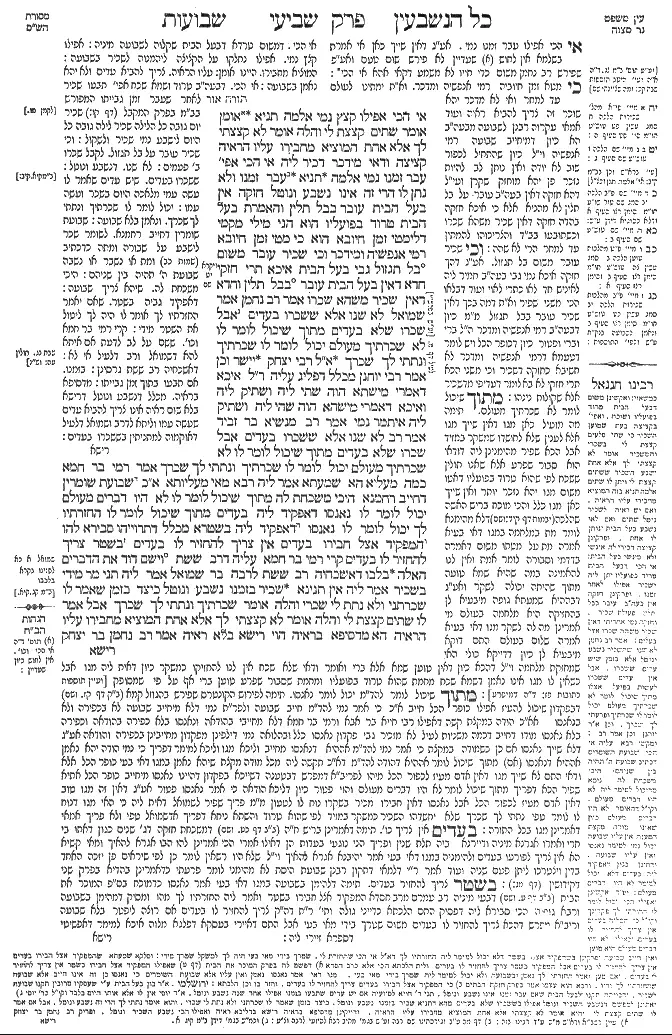
אי הכי אפילו קצץ נמי אלמה תניא אומן אומר שתים קצצת לי והלה אומר לא קצצתי לך אלא אחת המוציא מחבירו עליו הראיה קציצה ודאי מידכר דכיר ליה אי הכי אפי' עבר זמנו נמי אלמה תניא עבר זמנו ולא נתן לו הרי זה אינו נשבע ונוטל חזקה אין בעל הבית עובר בבל תלין והאמרת בעל הבית טרוד בפועליו הוא הני מילי מקמי דלימטי זמן חיובא הוא כי מטי זמן חיובא רמי אנפשיה ומידכר וכי שכיר עובר משום (ויקרא יט, יג) בל תגזול גבי בעל הבית איכא תרי חזקי חדא דאין בעל הבית עובר (ויקרא יט, יג) בבל תלין וחדא דאין שכיר משהא שכרו אמר רב נחמן אמר שמואל לא שנו אלא ששכרו בעדים אבל שכרו שלא בעדים מתוך שיכול לומר לו לא שכרתיך מעולם יכול לומר לו שכרתיך ונתתי לך שכרך א"ל רבי יצחק יישר וכן אמר רבי יוחנן מכלל דפליג עליה ר"ל איכא דאמרי מישתא הוה שתי ליה ושתיק ליה ואיכא דאמרי מישהא הוה שהי ליה ושתיק ליה איתמר נמי אמר רב מנשיא בר זביד אמר רב לא שנו אלא ששכרו בעדים אבל שכרו שלא בעדים מתוך שיכול לומר לו לא שכרתיך מעולם יכול לומר לו שכרתיך ונתתי לך שכרך אמר רמי בר חמא כמה מעליא הא שמעתא אמר ליה רבא מאי מעליותא א"כ שבועת שומרין דחייב רחמנא היכי משכחת לה מתוך שיכול לומר לו לא היו דברים מעולם יכול לומר לו נאנסו דאפקיד ליה בעדים מתוך שיכול לומר לו החזרתיו לך יכול לומר לו נאנסו דאפקיד ליה בשטרא מכלל דתרוייהו סבירא להו המפקיד אצל חבירו בעדים אין צריך להחזיר לו בעדים בשטר צריך להחזיר לו בעדים קרי רמי בר חמא עליה דרב ששת (שמואל א כא, יג) וישם דוד את הדברים האלה בלבו דאשכחיה רב ששת לרבה בר שמואל אמר ליה תני מר מידי בשכיר אמר ליה אין תנינא שכיר בזמנו נשבע ונוטל כיצד בזמן שאמר לו שכרתני ולא נתת לי שכרי והלה אומר שכרתיך ונתתי לך שכרך אבל אמר לו שתים קצצת לי והלה אומר לא קצצתי לך אלא אחת המוציא מחבירו עליו הראיה הא מדסיפא בראיה הוי רישא בלא ראיה אמר רב נחמן בר יצחק
Comments from Rashi on Masechet Shevu'ot Page 45b
אי הכי . דמשום טרדא דבעל הבית שקלוה לשבועה מיניה: אפילו קצץ נמי . אפילו נחלקו על הקציצה ליהמנוה לשכיר בשבועה: המוציא מחבירו . היינו אומן: עליו הראיה . צריך להביא עדים ולא יהא נאמן בשבועה: אי הכי . דבעה"ב טרוד ושמא שכח אפי' תבעו שכיר לאחר שעבר זמן גבייתו המפורש בב"מ בפרק המקבל (דף קו:) שכיר יום גובה כל הלילה שכיר לילה גובה כל היום לישבע נמי שכיר ולשקול: וכי שכיר עובר על בל תגזול . לקבל שכרו ב' פעמים: לא שנו . דנשבע ונוטל: ששכרו בעדים . שיש עדים שאמר לו עשה עמי מלאכה היום בשכר ועשה עמו: יכול לומר לו שכרתיך ונתתי לך שכרך . ונאמן בלא שבועה: שבועת שומרין דחייב רחמנא . לשומר שכר לישבע על שבורה ומתה כדכתיב (שמות כב) ומת או נשבר או נשבה שבועת ה' תהיה בין שניהם: היכי משכחת לה . שיהא צריך שבועה: דאפקיד גביה בשטר . שאם יאמר החזרתיו לך אומר לו היה לך ליטול את השטר מידי: קרי רמי בר חמא וכו' . ששם על לב לדעת אם איתא להא דשמואל ורב דלעיל אי לא: דאשכחיה רב ששת גרסינן: בזמנו . אם תבעו בתוך זמן גבייתו: מדסיפא בראיה . מכלל דנשבע ונוטל דרישא בלא שום ראיה אינו צריך להביא עדים שעשה עמו וליתא לדרב ושמואל דלעיל דאוקמוה למתניתין בששכרו בעדים:
Comments from Tosafot - Shevu'ot 45b
אפילו קצץ נמי. וא"ת והא ה"ל כאיני יודע אם גזלתיך דפטרי רב נחמן ורבי יוחנן בהגוזל בתרא (שם) ובהשואל (ב"מ דף צז:) וי"ל דהתם לא מודה מידי אבל הכא שמודה במקצת ה"ל כמנה לי בידך והלה אומר אין לך בידי אלא נ' ונ' לא ידענא דאמרינן התם מתוך שאינו יכול לישבע משלם: קציצה ודאי מידכר דכירי אינשי. לא קאמר המע"ה ואי לא מייתי ראיה מפסיד אלא ישבע בעה"ב ויפסיד אומן כדאמר לקמן וא"ת ולישני ליה כגון ששכרו שלא בעדים ונאמן מתוך שיכול לומר לא שכרתיך מעולם כדאמרי' בסמוך וי"ל דשאני הכא דמודה במקצת לא היה יכול להעיז ולכפור הכל אי נמי דלקמן מוקי לה בשכרו בעדים דומיא דרישא: אי הכי אפילו עבר זמנו נמי. אע"ג דאין שייך כאן אי אמרת בשלמא אין לחוש שעדיין לא פירש שום טעם ואע"פ שפירש רב נחמן משום כדי חייו לא משמע דקאי אהא אי הכי: כי מטא זמן חיוביה רמי אנפשיה ומדכר. וא"ת ימתינו לעולם עד למחר ואי לא מדכר יהא שוכר זה צריך להביא ראיה ועוד אמאי עקרוה רבנן לשבועה מבעה"ב הא כיון דמיחייב שבועה רמי אנפשיה וי"ל כיון שהתחיל לכפור שוב לא יודה ואין נותן לב להיות נזכר פן יהא מוחזק שקרן ועי"ל דהא חזקה דאין בעה"ב עובר על בל תלין לא מהניא אלא כי איכא חזקה בהדה חזקה דאין שכיר משהא שכרו וכשתובעו בב"ד והצריכוהו להמתין עד למחר הרי לא שהה: וכי שכיר עובר משום בל תגזול. אע"ג דהך חזקה איכא נמי גבי בעה"ב חמיר ליה לאיניש חד לאו כתרי לאוי ועוד דבלאו הכי משני שפיר וא"ת דמה בכך דאין שכיר עובר בבל תגזול מ"מ כיון דבעה"ב רמי אנפשיה ומדכר ה"ל ברי וברי ופטור כיון דכופר הכל ויש לומר דטעמא דרמי אנפשיה ומדכר לא חשיבא כחזקה דשכיר וכי משני הכא תרי חזקי לא בא לומר דעדיפי מדשכיר אלא שקולות נינהו: מתוך שיכול לומר לא שכרתיך מעולם. תימה מה מועיל כאן מגו דאין שייך מגו אלא לענין שלא לחושדו שמשקר במזיד אבל הכא שפיר מהימנינן ליה דודאי הוא סבור שפרע אלא שאנו תולין ששכח לפי שהוא טרוד בפועליו דאטו משום מגו יהא נזכר יותר ואין שייך כאן מגו כלל והכי מוכח בריש האשה שהלכה (יבמות קיד, ב) (ושם) דלא מהימנא לומר מת במלחמה במגו דאי בעיא אמרה מת על מטתו משום דאמרה בדדמי וסבורה לומר אמת ואין לנו להאמינה במה שהיא שמא טועה מתוך שהיתה יכולה לשקר ואע"ג דבההיא שמעתא גופה מיבעיא לן בהחזיקה היא מלחמה בעולם מי אמרינן מה לה לשקר מגו דאי בעיא אמרה שלום בעולם התם דוקא מיבעיא לן כיון דדייקא כולי האי שמחזקת מלחמה וי"ל דהכא כיון דאין טוען שמא אלא ברי ואומר ודאי שלא שכח אין לנו להחזיקו כמשקר כיון דאית ליה מגו אבל כשאין לו מגו אינו נאמן דשמא שכח מחמת שהוא טרוד בפועליו ומחמת שסבור שפרע טוען ברי אף על פי שמסופק [ועיין תוספות כתובות פז ב ד"ה דמיפרע]: מתוך שיכול לומר להד"מ יכול לומר נאנסו. תימה לפירוש הקונטרס שפירש בהגוזל קמא (בבא קמא קז, א) (ושם) דבפקדון שיכול להעיז אפילו כופר הכל חייב א"כ כי אמר נמי להד"מ חייב שבועה ולפר"ת נמי דלא מיחייב שבועה לא בכפירה ולא בנאנסו אא"כ הודה במקצת קשה דאפילו רבי חייא בר אבא ורמי בר חמא דלא מחייבי בהודאה ונאנסו בלא כפירה בהודאה וכפירה בלא נאנסו מודו דחייב דכמה משניות לעיל לא מזכיר גבי פקדון נאנסו כלל ובהלואה נמי דילפינן מפקדון מחייבינן בכפירה והודאה אע"ג דלא שייך נאנסו אם כן כשמודה במקצת כי אמר נמי להד"מ אההיא דנאנסו מחייב וליכא מגו וליכא למימר דפריך כי נמי הודה יהא נאמן אההיא דנאנסו (אם) מתוך שיכול לומר אההיא דהודה להד"מ דא"כ תקשה ליה מכל מודה מקצת שיהא נאמן במגו דאי בעי כופר הכל אלא ודאי התם לא שייך מגו דאין אדם מעיז לכפור הכל מיהו לפריב"א דמפרש דבטענה דשייכא בפקדון דהיינו נאנסו מיחייב כופר הכל אתיא שפיר הכא דפריך מתוך שיכול לומר לא היו דברים מעולם והוי פטור כיון דליכא הודאה כי אמר נאנסו פטור אע"ג דאין זה מגו טוב דאין אדם מעיז לכפור הכל אבל נאנסו דאין חבירו מכיר בשקרו נוח לו לטעון מ"מ פריך שפיר לשמואל דאית ליה כי האי מגו דנוח לו לומר טפי נתתי לך שכרך שלא יחשדהו השכיר כמשקר במזיד לפי שהוא טרוד והשתא ניחא דפריך אדשמואל טפי ולא פריך אמאי דאמרינן מגו בכל התורה: בעדים אין צריך כו'. תימה דאמרינן בריש ח"ה (בבא בתרא כט, א) (ושם) דמשכחת חזקה דג' שנים כגון דאתו בי תרי ואמרו אגרנא מיניה ודיירנא ביה תלת שנין ופריך הני נוגעי בעדות הן דאילו אמרי הכי אמרינן להו הבו אגרא להאיך ומאי קשיא הא אין צריך לפורעו בעדים ולהימניה במגו דאי בעי אמר יהיבנא אגרא להאיך וי"ל שלא היו רשאין לומר כן לפי שיראים פן יזכה האחד בדין ויצטרכו ליתן פעם שניה ועוד אמר ר"י דלמאי דתקון רבנן שבועת היסת לא מהימני לומר פרעתי כדאמרינן בהדיא בפרק שני דקידושין (דף מג:): בשטר צריך להחזיר בעדים. תימה דלהימן בשבועה במגו דאי בעי אמר נאנסו כדמוכח בס"פ המוכר את הבית (בבא בתרא ע, א) (ושם) דבעי מיניה רב עמרם מרב חסדא המפקיד אצל חבירו בשטר ואמר ליה החזרתיו לך מהו ומסיק דמהימן בשבועה ורבא גופיה הכי סבירא ליה דפסיק התם הלכתא כדייני גולה ותי' ר"ת דה"ק צריך להחזיר לו בעדים אם רוצה ליפטר בלא שבועה וריב"א מפרש דהכא צריך להחזיר לו בעדים משום שטרך בידי מאי בעי אבל התם דאיירי בעסקא דפלגא מלוה איכא למימר דאפשיטי דספרא זיירי ליה:
Shevu'ot 45b - Mishnah translated into english
If so, then even with regard to the amount fixed as payment, the employer is apt to be forgetful. Why, then, is it taught in a baraita: If the craftsman says: You fixed two coins as my payment and the other, the employer, says: I fixed only one coin as your payment, the halakha is that the burden of proof rests upon the claimant? The craftsman must bring witnesses to collect the additional sum; an oath is not sufficient. Why is it not assumed that the employer is distracted, and the craftsman would be allowed to take an oath and collect the amount he claims? The Gemara answers: With regard to the fixing of wages, he certainly remembers.
The Gemara asks: If so, then even if the time the wages were due had passed, the worker should be able to prove that he has not been paid by taking an oath. Why, then, is it taught in a baraita that if the established time for paying wages had passed, i.e., the night after the work was performed, and the employer had not given the worker his wages, he no longer can take an oath and receive his wages, but rather must bring witnesses to prove that he was not yet paid.
The Gemara answers: There is a presumption that the employer will not violate the prohibition against delaying payment of wages (see Leviticus 19:13) and will have paid the worker by the deadline. The Gemara asks: But didn’t you say that the employer is distracted with his laborers and is apt to forget to pay? The Gemara responds: This statement, that he is presumed to be distracted, applies only before the time arrives that he incurs liability for delaying payment of wages. When the time that he incurs liability arrives, he takes it upon himself to remember to pay.
The Gemara asks: Is the hired worker suspected of demanding his wages twice and violating the prohibition against robbery (see Leviticus 19:13)? The Gemara answers: With regard to the employer there are two presumptions supporting his claim that the wages were paid: One is that the employer will not violate the prohibition of delaying payment of wages, and one is that a hired worker will not defer requesting his wages. Therefore, if he is requesting his wages after the deadline, he probably already received them, and he no longer can prove his claim with only an oath.
§ Rav Naḥman says that Shmuel says: The Sages taught that a worker takes an oath and receives his wages only when the employer hired him in the presence of witnesses. But if he hired him not in the presence of witnesses, then since he could have made a more advantageous claim [miggo] and said to him: I never hired you, he can instead say to him: I hired you but already gave you your wages, and that claim is accepted by the court. There is a principle in halakha that one is deemed credible when he makes a less advantageous claim than he could have made. Rabbi Yitzḥak said to Rav Naḥman: That is correct; and so said Rabbi Yoḥanan.
The Gemara asks: Can one infer from the fact that Rabbi Yitzḥak said that it was specifically Rabbi Yoḥanan who says this, that Reish Lakish, who often engaged in disputes with Rabbi Yoḥanan, disagrees with him, even though Rabbi Yitzḥak did not report that he does? Some say that Reish Lakish was drinking at the time that Rabbi Yoḥanan made his statement and therefore was silent, and some say that he was waiting for him to complete his statement and therefore was silent. It remains unclear whether he disagreed.
It was also stated that Rav Menashya bar Zevid says that Rav says: The Sages taught that a worker takes an oath and receives his wages only when the employer hired him in the presence of witnesses. But if he hired him not in the presence of witnesses, since he could have said to him: I never hired you, he can instead say to him: I hired you but already gave you your wages, and that claim is accepted by the court.
§ Rami bar Ḥama said: How excellent is this halakha. Rava said to him: What is its excellence? If the halakha is so, how can you ever find an instance of the oath of the bailees concerning a deposit that the Merciful One imposed? Since the bailee could say to the owner: These events never occurred, i.e., I never accepted a deposit from you, he can say to him: The deposit was lost by accident. He will not need to take an oath to support his claim, since he would have been deemed credible without taking an oath if he had denied accepting the deposit at all.
Rami Bar Ḥama answered: The oath of the bailees is still relevant where the owner deposited the item with him in the presence of witnesses. Rava retorts: Even then, since he could say to him: I already returned it to you, and his claim would be accepted without his taking an oath, he can say to him: The deposit was lost by accident, and his claim will be accepted without his taking an oath.
Rami bar Ḥama answered: The oath of the bailees is still relevant where the owner deposited the item with him, with a document given as a receipt. Possession of the receipt serves as evidence that the bailee has not returned the deposit.
The Gemara comments: By inference from their statements, one may conclude that both Rava and Rami bar Ḥama hold that if one deposits an item with another person in the presence of witnesses, he does not need to return it to him in the presence of witnesses, and his claim that he returned it without witnesses is accepted. But if one deposits an item with another person with a document given as a receipt, he needs to return it to him in the presence of witnesses, who can testify that it was returned.
§ Rami bar Ḥama would cite this verse about Rav Sheshet: “And David laid up these words in his heart” (I Samuel 21:13), as Rav Sheshet took it upon himself to find sources that would support or contradict the statements of Rav and Shmuel. As it is recounted that Rav Sheshet encountered Rabba bar Shmuel and said to him: Does the Master teach any halakhot about a hired worker? Rabba bar Shmuel said to him: Yes, I teach this baraita (Tosefta 6:1): A hired worker within his time for receiving wages takes an oath and receives payment. How so? This applies in a case when the worker said to the employer: You hired me but did not give me my wages, and the other, the employer, says: I hired you and gave you your wages. But if the hired worker said to him: You fixed two coins as my payment, and the other, the employer, says: I fixed only one coin as your payment, the burden of proof rests upon the claimant, who must provide witnesses to testify that the wage was the greater sum.
Rav Sheshet suggested: Since the latter clause addresses a case in which proof, witness testimony, is required, the first clause must address a case in which proof is not required. This contradicts the statements of Rav and Shmuel above that the worker may take an oath and receive payment only when he has witnesses that this person hired him.
Rav Naḥman bar Yitzḥak said:
Traduction : The William Davidson digital edition of the Koren Noé Talmud, with commentary by Rabbi Adin Even-Israel Steinsaltz.