 Talmud Bavli
The learning on the whole site is dedicated : L'ilui Nishmat Yaakov ben Myriam
The learning on the whole site is dedicated : L'ilui Nishmat Jamila bat Chlomo Abensour
The learning on the whole site is dedicated : For the success of Elyahou ben H'anna & family
Shevu'ot 32b : Youtube
Daf TubeYoutube
2 video classes :
Shevu'ot Page 32b
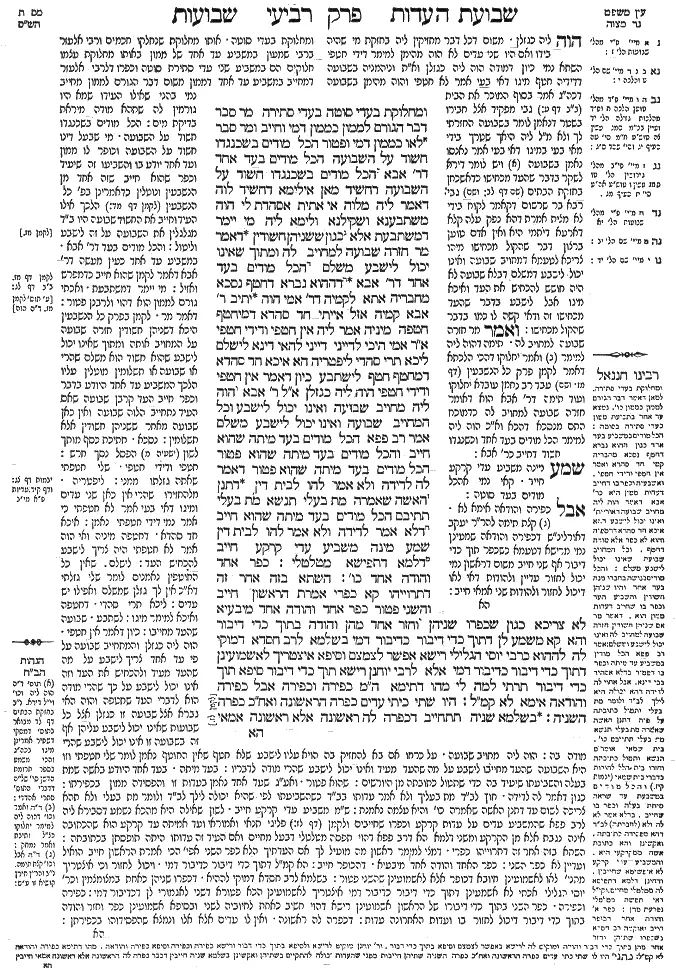
Shevu'ot 32b - Guemara
ומחלוקת בעדי סוטה בעדי סתירה מר סבר דבר הגורם לממון כממון דמי וחייב ומר סבר לאו כממון דמי ופטור הכל מודים בשכנגדו חשוד על השבועה הכל מודים בעד אחד דר' אבא הכל מודים בשכנגדו חשוד על השבועה דחשיד מאן אילימא דחשיד לוה דאמר ליה מלוה אי אתית אסהדת לי הוה משתבענא ושקילנא ולימא ליה מי יימר דמשתבעת אלא כגון ששניהן חשודין דאמר מר חזרה שבועה למחויב לה ומתוך שאינו יכול לישבע משלם הכל מודים בעד אחד דר' אבא דההוא גברא דחטף נסכא מחבריה אתא לקמיה דר' אמי הוה יתיב ר' אבא קמיה אזל אייתי חד סהדא דמיחטף חטפה מיניה אמר ליה אין חטפי ודידי חטפי א"ר אמי היכי לדייני דייני להאי דינא לישלם ליכא תרי סהדי ליפטריה הא איכא חד סהדא דמחטף חטף לישתבע כיון דאמר אין חטפי ודידי חטפי הוה ליה כגזלן א"ל ר' אבא הוה ליה מחויב שבועה ואינו יכול לישבע וכל המחויב שבועה ואינו יכול לישבע משלם אמר רב פפא הכל מודים בעד מיתה שהוא חייב והכל מודים בעד מיתה שהוא פטור הכל מודים בעד מיתה שהוא פטור דאמר לה לדידה ולא אמר להו לבית דין דתנן האשה שאמרה מת בעלי תנשא מת בעלי תתיבם הכל מודים בעד מיתה שהוא חייב דלא אמר לדידה ולא אמר להו לבית דין שמע מינה משביע עדי קרקע חייב דלמא דתפישא מטלטלי:
כפר אחד והודה אחד כו':
השתא בזה אחר זה דתרוייהו קא כפרי אמרת הראשון חייב והשני פטור כפר אחד והודה אחד מיבעיא לא צריכא כגון שכפרו שניהן וחזר אחד מהן והודה בתוך כדי דיבור והא קא משמע לן דתוך כדי דיבור כדיבור דמי בשלמא לרב חסדא דמוקי לה לההוא כרבי יוסי הגלילי רישא אפשר לצמצם וסיפא איצטריך לאשמועינן דתוך כדי דיבור כדיבור דמי אלא לרבי יוחנן רישא תוך כדי דיבור סיפא תוך כדי דיבור תרתי למה לי מהו דתימא ה"מ כפירה וכפירה אבל כפירה והודאה אימא לא קמ"ל:
היו שתי כיתי עדים כפרה הראשונה ואח"כ כפרה השניה:
בשלמא שניה תתחייב דכפרה לה ראשונה אלא ראשונה אמאי
Comments from Rashi on Masechet Shevu'ot Page 32b
ומחלוקת בעדי סוטה . אותו מחלוקת שנחלקו חכמים ורבי אלעזר ברבי שמעון במשביע עד אחד של ממון באותו מחלוקת עצמו חלוקים הם במשביע שני עדי סתירת סוטה וכפרו דלרבי אלעזר דמחייב במשביע עד אחד דממון משום דבר הגורם לממון מחייב נמי בהני שאילו העידו שמא היו גורמין לה שתהא מודה מיראת בדיקת מים: הכל מודים בשכנגדו חשוד על השבועה . מי שבעל דינו חשוד על השבועה וכופר לו ממון ועד אחד יודע בו והשביעו זה שיעיד וכפר שהוא חייב שזה אחד מן הנשבעין ונוטלין כדאמרינן בפ' כל הנשבעין (לקמן שבועות דף מד:) הלכך אילו העיד וחייב את החשוד שבועה היו ב"ד מגלגלין את השבועה על זה לישבע וליטול: והכל מודים בעד דר' אבא . במשביע עד אחד כעין מעשה דר' אבא דאמר לקמן שהוא חייב כדמפרש ואזיל: מי יימר דמשתבעת . ואכתי גורם לממון הוא דהוי ולרבנן פטור: דאמר מר . לקמן בפרק כל הנשבעין היכא דשניהן חשודין חזרה שבועה על המחויב אותה ומתוך שאינו יכול לישבע שהוא חשוד הוא משלם שהרי או שבועה או תשלומין מוטלין עליו הלכך המשביע עד אחד היודע בדבר וכפר חייב העד קרבן שבועה שאם העיד נתחייב הלוה שבועה ואין כאן שבועה מאחר ששניהן חשודין אלא תשלומין: נסכא . חתיכת כסף מותך לשון (ישעיהו מ) הפסל נסך חרש: חטפי ודידי חטפי . שלי חטפתי שאתה גזלתו ממני: לישלם . שאין כל החוטפין נאמנים לומר שלי גזלתי דא"כ אין לך גזלן שמשלם ואפילו יש עדים: ליכא תרי סהדי . דחטפה ואיכא למימר מיגו: ליפטריה . מלהחזירו שהרי אין כאן שני עדים ומיגו דאי בעי אמר לא חטפתי כי אמר נמי דידי חטפתי נאמן: איכא חד סהדא . דחטפה מיניה ואי הוה אמר לא חטפתי היה צריך לישבע להכחיש העד: לשתבע . שבועה שהעד מחייבו: כיון דאמר אין חטפי . הוה ליה כגזלן והמתחייב שבועה על פי עד אחד צריך לישבע על מה שהעד מעיד ולהכחיש את העד וזה אינו יכול לישבע על כך שהרי מודה הוא לדברי העד שחטפה והוה האי גברא אצל שבועה זו כגזלן אצל כל שבועות שאינו יכול לישבע עליהן אף זה בשבועה זו אינו יכול לישבע שהרי מודה בה: הוה ליה מחויב שבועה . על כרחו אם בא להחזיק בה הויא עליו לישבע שלא חטף שאין החוטף נאמן לומר שלי חטפתי וזו היא השבועה שהעד מחייבו לישבע על מה שהעד מעיד ואינו יכול לישבע שהרי מודה לדבריו: בעד מיתה . בעד אחד היודע באשה שמת בעלה והשביעתו שיעיד בה כדי שתטול כתובתה מן היורשים: שהוא פטור . ואע"ג שעד אחד נאמן בעדות זו והפסידה ממון בכפירתו: כגון דאמר לה לדידה . חוץ לב"ד מת בעליך ולא אמר עדותו בב"ד כשהשביעתו לפי שהיא יכולה לילך לב"ד ולומר מת בעלי ולא תהא צריכה לשום עד דתנן האשה שאמרה כו' והיא עצמה נאמנת: ש"מ משביע עדי קרקע חייב . לשון שאילה היא מהכא נשמע דסבירא ליה לרב פפא שהמשביע עדים על עדות קרקע וכפרו שחייבים ולקמן (שבועות דף לז:) פליגי תנאי ואמוראי ועד אמיתה עד קרקע הוא שהכתובה אינה נגבת אלא מן הקרקע ומשני דלמא הא דרב פפא דהוי תפסה מטלטלי דבעל מחיים ואם העיד זה עדותו היתה תופסתן בכתובתה: השתא בזה אחר זה דתרוייהו כפרי . דמצי למימר ראשון מה מועיל לך אם העדתיך הלא כפר השני אפי' הכי אמרת הראשון חייב הואיל ועדיין לא כפר השני: כפר האחד והודה אחד מיבעיא . דהכופר חייב: הא קמ"ל דתוך כדי דיבור כדיבור דמי . ויכול לחזור וכי איצטריך מתני' לאו לאשמועינן חיובא דכופר אלא לאשמועינן שהשני פטור: בשלמא לרב חסדא דמוקי לההיא . דכפרו שניהן כאחת במצומצמין וכר' יוסי הגלילי אכתי לא אשמעינן דתוך כדי דיבור כדיבור דמי איצטריך לאשמועינן הכא פטורא דשני לאגמורי לן דכדיבור דמי: כפירה וכפירה . כפר השני בתוך כדי דיבורו של הראשון אשמועינן רישא דהוי חשיב כאחת לחיוביה לשני ובסיפא אשמועינן כפר וחזר והודה בתוך כדי דיבור דיכול לחזור בו ועדות האחרונה עדות: דכפרה לה ראשונה . ואין לו עדים אלא אלו ונמצא שהפסידוהו בכפירתן:
Comments from Tosafot - Shevu'ot 32b
ואמר מר חזרה שבועה למחויב לה. תימה דהוה ליה למימר ואמר יחלוקו דהכי הלכתא דאמר לקמן פרק כל הנשבעין (שבועות דף מז. ושם) עבד רב נחמן עובדא יחלוקו ועוד תימה דר' אבא הוא דאומר חזרה שבועה למחויב לה כדמוכח התם מנסכא דהכא וא"כ הוה ליה למימר הכל מודים בעד אחד וכשנגדו חשוד דחייב כר' אבא: הוה ליה כגזלן. משום דכל דבר מחזיקין ליה בחזקת מי שהיה בידו ואם היו שני עדים לא הוה מהימן למימר דידי חטפי השתא נמי כיון דמודה הוה ליה כגזלן וא"ת וניהמניה בשבועה דדידיה חטף מיגו דאי בעי אמר לא חטפי והוה מהימן בשבועה דכה"ג אמר בסוף המוכר את הבית (ב"ב דף ע:) גבי מפקיד אצל חבירו בשטר דנאמן לומר בשבועה החזרתי לך ולא מ"ל ליה היאך שטרך בידי מאי בעי במיגו דאי בעי אמר נאנסו נאמן בשבועה ויש לומר דירא לשקר בדבר שהעד מכחישו כדאשכחן בחזקת הבתים (שם דף לב: ושם) גבי רבא בר שרשום דקאמר לקוח בידי לא מצית אמרת דהא נפק עלה קלא דארעא דיתמי היא ואין אדם טוען ברצון דבר שהקול מכחישו מיהו צריכא לטעמא דמחויב שבועה ואינו יכול לישבע דמשלם דבלא שבועה לא היה חושש להכחיש את העד ואיכא מיגו אבל לישבע בדבר שהעד מכחישו זה ודאי קשה לו כמו בדבר שהקול מכחישו: שמע מינה משביע עדי קרקע חייב. קאי נמי אהכל מודים בעד סוטה: אבל כפירה והודאה אימא לא. קצת תימה להר"ר יעקב דאורלינ"ש דכפירה והודאה שמעינן נמי מרישא דטעמא כשכפר תוך כדי דיבור אף שני חייב משום דראשון נמי יכול לחזור עדיין ולהודות דאי לאו דיכול לחזור ולהודות שני אמאי חייב:
Shevu'ot 32b - Mishnah translated into english
And there is a dispute with regard to witnesses in the case of a sota; this is referring to witnesses of seclusion who testify that the woman who was warned by her husband in fact entered into seclusion with the man in question. One Sage, Rabbi Elazar, son of Rabbi Shimon, holds that a matter that causes financial loss is considered to have monetary value, and each witness is liable for taking a false oath of testimony, as had they testified the woman would lose her marriage contract. And one Sage, the Rabbis, hold that a matter that causes financial loss is not considered to have monetary value, and he is exempt.
§ It is stated above further: All concede with regard to a witness testifying on behalf of the claimant when his counterpart is suspect about the oath. All concede in the case of one witness, as in the incident with Rabbi Abba.
The Gemara elaborates: All concede with regard to a witness testifying on behalf of the claimant when his counterpart is suspect about the oath. The testimony of one witness renders the borrower liable to take an oath that he does not owe money. The Gemara asks: In a case where who is suspect? If we say that the borrower who is denying the debt is suspect, and it is a case where the lender says to the witness: If you came and testified on my behalf I would have taken an oath and taken the sum owed me from the borrower, since he is suspect with regard to oaths, why would the witness be liable for taking a false oath of testimony? Let the witness say to the lender: Who could say that you would have taken an oath? Since there is no certainty that he would have taken the oath, the witness is merely the cause of a cause of financial loss.
Rather, it is a case where both the borrower and the lender are suspect, as the Master says: Since both are suspect, the oath reverts to the one who is initially obligated to take it, i.e., the borrower, and since he is unable to take the oath because he is suspect, he pays the entire claim to the lender. One witness rendered the borrower liable to pay the debt.
Abaye said: All concede in the case of one witness, as in the incident with Rabbi Abba. What are the circumstances? As there was a certain man who snatched a silver ingot from another. The one from whom it was taken came before Rabbi Ami while Rabbi Abba was sitting before him, and he went and brought one witness who testified that the defendant indeed snatched it from him. The one who snatched it said to him: Yes, it is true that I snatched it, but I merely snatched that which was mine.
Rabbi Ami said: How shall judges rule in this case? Let the judges require him to pay. But there are not two witnesses who witnessed the robbery. Let the judges rule to exempt him from payment. But there is one witness that he snatched the ingot. Based on the testimony of that witness, let the alleged robber take an oath that he did not snatch the ingot. But once he said: Yes, I snatched it, but I merely snatched that which was mine, his halakhic status is like that of a robber, who is disqualified from taking an oath. Rabbi Abba said to him: He is one who is obligated to take an oath but is unable to take an oath, and anyone who is obligated to take an oath but is unable to take an oath is liable to pay. In that case, were that witness to take a false oath and deny knowledge of the matter, he would be liable.
§ Rav Pappa says: All concede with regard to the witness of a death that he is liable for taking an oath of testimony if he took a false oath and denied knowledge of the incident, and all concede with regard to the witness of a death that he is exempt in that case.
The Gemara elaborates: All concede with regard to the witness of a death that he is exempt where he said to the wife herself that her husband is dead, but he did not tell it to the court, and now he denies his earlier statement, as we learned in a mishna (Eduyyot 1:12): The woman who said: My husband died, shall remarry on the basis of her own testimony. Likewise, if she says: My husband died, she shall enter into levirate marriage with her brother-in-law on the basis of her own testimony. The fact that the witness subsequently denied knowledge of the matter does not cause her to lose her marriage contract, since she can come to the court and testify based on the statement of the witness and collect her marriage contract.
All concede with regard to the witness of a death that he is liable in a case where he did not say that the husband is dead to the wife herself nor did he say it to the court. In that case, his denial of knowledge of the matter causes the wife to lose payment of her marriage contract.
The Gemara asks: Shall we conclude from here that according to Rav Pappa, in the case of one who administers an oath to witnesses with regard to land, the witnesses are liable for taking a false oath of testimony, given that the marriage contract here is collected from land belonging to the husband? This matter is subject to a dispute between the Sages (37b). The Gemara answers: No proof may be cited from here, as perhaps Rav Pappa is referring to a case where she seizes her husband’s movable property as payment for her marriage contract. Therefore, this is not considered testimony with regard to land.
§ The mishna teaches: If one of the two witnesses denied knowledge of the incident, and the other one admitted that he had knowledge and proceeded to testify, the one who denies knowledge of the incident is liable. The Gemara asks: Why was it necessary to teach this halakha in the mishna? Now that in the previous case, where the potential witnesses both denied knowledge of the matter one after the other, you said: The first is liable and the second is exempt, in a case where one denied knowledge and one admitted that he had knowledge and proceeded to testify, is it necessary to mention that the one who denied knowledge is liable?
The Gemara answers: No, it is necessary to state this halakha in a case where both of them denied knowledge of the matter, and one of them retracted his denial and admitted to knowledge of the matter within the time required for speaking a short phrase. And this teaches us that the halakhic status of a pause or retraction within the time required for speaking a short phrase is like that of continuous speech.
The Gemara asks: Granted, according to Rav Ḥisda, who interprets the previous case in the mishna in which the two witnesses denied knowledge of the incident as one, and they are liable in accordance with the opinion of Rabbi Yosei HaGelili, a different halakha may be learned from each clause in the mishna. It is learned from the first clause that it is possible for two events to coincide precisely, and the latter clause was necessary to teach us that the halakhic status of a pause or retraction within the time required for speaking a short phrase is like that of continuous speech. But according to Rabbi Yoḥanan, the halakha of: Within the time required for speaking a short phrase, is learned from the first clause, and the halakha of: Within the time required for speaking a short phrase, is learned from the latter clause. Why do I need two clauses to teach the same halakha?
The Gemara answers: Even according to Rabbi Yoḥanan, both clauses are necessary. Lest you say that this statement: The halakhic status of a pause or retraction within the time required for speaking a short phrase is like that of continuous speech, applies only in a case where the first statement is a denial and the second statement is a denial; but in a case where the first statement is a denial and the second statement is an admission, say that no, its halakhic status is not like that of continuous speech and one cannot admit knowledge after having denied it. Therefore, the tanna teaches us that even in a case where he retracts the denial and admits his knowledge, its halakhic status is not like that of continuous speech.
§ The mishna teaches: If there were two sets of witnesses that took the oath of testimony, and the first set denied knowledge of the matter and thereafter, the second set denied knowledge of the matter, both sets of witnesses are liable. The Gemara asks: Granted, the second set will be held liable, as since the first set denied knowledge of the matter, the ability of the plaintiff to collect his monetary claim is dependent exclusively on the second set, and their denial caused his loss. But why is the first set liable?
Traduction : The William Davidson digital edition of the Koren Noé Talmud, with commentary by Rabbi Adin Even-Israel Steinsaltz.