 Talmud Bavli
The learning on the whole site is dedicated : L'ilui Nishmat Yechayahou ben Moche
The learning on the whole site is dedicated : L'ilui Nishmat יוסף בן מושה
The learning on the whole site is dedicated : L'ilui Nishmat Yaakov ben Myriam
Avodah Zarah 61b : Youtube
Daf TubeYoutube
2 video classes :
Avodah Zarah Page 61b
Avodah Zarah 61b - Guemara
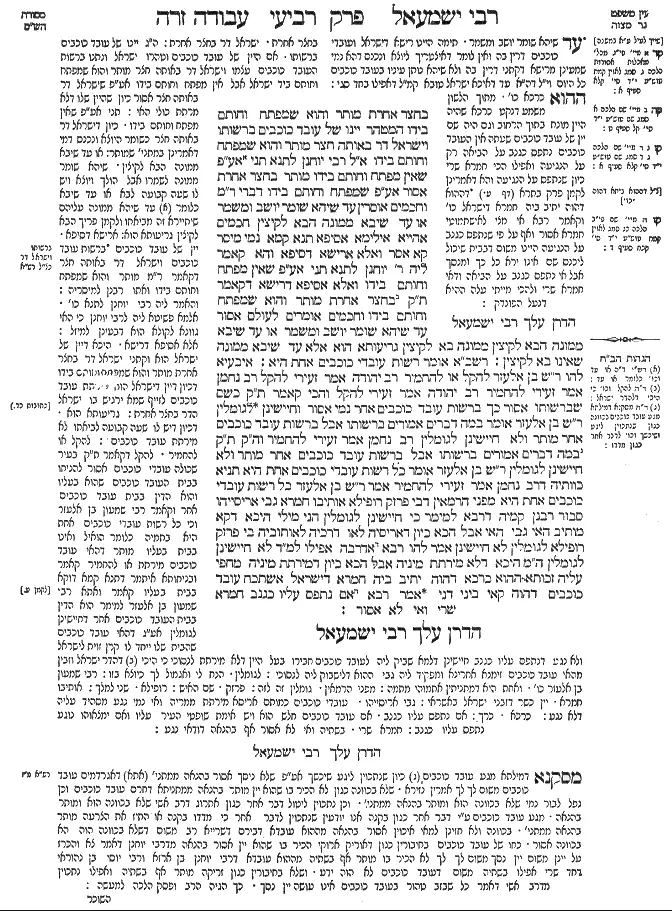
בחצר אחרת מותר והוא שמפתח וחותם בידו המטהר יינו של עובד כוכבים ברשותו וישראל דר באותה חצר מותר והוא שמפתח וחותם בידו א"ל רבי יוחנן לתנא תני אע"פ שאין מפתח וחותם בידו מותר בחצר אחרת אסור אע"פ שמפתח וחותם בידו דברי ר"מ וחכמים אוסרין עד שיהא שומר יושב ומשמר או עד שיבא ממונה הבא לקיצין חכמים אהייא אילימא אסיפא תנא קמא נמי מיסר קא אסר ואלא ארישא דסיפא והא קאמר ליה ר' יוחנן לתנא תני אע"פ שאין מפתח וחותם בידו ואלא אסיפא דרישא דקאמר ת"ק בחצר אחרת מותר והוא שמפתח וחותם בידו וחכמים אומרים לעולם אסור עד שיהא שומר יושב ומשמר או עד שיבא ממונה הבא לקיצין ממונה בא לקיצין גריעותא הוא אלא עד שיבא ממונה שאינו בא לקיצין:
רשב"א אומר רשות עובדי כוכבים אחת היא:
איבעיא להו ר"ש בן אלעזר להקל או להחמיר רב יהודה אמר זעירי להקל רב נחמן אמר זעירי להחמיר רב יהודה אמר זעירי להקל והכי קאמר ת"ק כשם שברשותו אסור כך ברשות עובד כוכבים אחר נמי אסור וחיישינן לגומלין ר"ש בן אלעזר אומר במה דברים אמורים ברשותו אבל ברשות עובד כוכבים אחר מותר ולא חיישינן לגומלין רב נחמן אמר זעירי להחמיר וה"ק ת"ק במה דברים אמורים ברשותו אבל ברשות עובד כוכבים אחר מותר ולא חיישינן לגומלין ר"ש בן אלעזר אומר כל רשות עובדי כוכבים אחת היא תניא כוותיה דרב נחמן אמר זעירי להחמיר אמר ר"ש בן אלעזר כל רשות עובדי כוכבים אחת היא מפני הרמאין דבי פרזק רופילא אותיבו חמרא גבי אריסייהו סבור רבנן קמיה דרבא למימר כי חיישינן לגומלין הני מילי היכא דקא מותיב האי גבי האי אבל הכא כיון דאריסיה לאו דרכיה לאותוביה בי פרזק רופילא לגומלין לא חיישינן אמר להו רבא אדרבה אפילו למ"ד לא חיישינן לגומלין ה"מ היכא דלא מירתת מיניה אבל הכא כיון דמירתת מיניה מחפי עליה זכותא ההוא כרכא דהוה יתיב ביה חמרא דישראל אשתכח עובד כוכבים דהוה קאי ביני דני אמר רבא אם נתפס עליו כגנב חמרא שרי ואי לא אסור:
הדרן עלך רבי ישמעאל
Comments from Rashi on Masechet Avodah Zarah Page 61b
בחצר אחרת . ישראל דר בחצר אחרת: ה"ג יינו של עובד כוכבים ברשותו . אם היין של עובד כוכבים וטהרו ישראל ונתנו ברשות העובד כוכבים עצמו וישראל דר באותה חצר מותר והוא שמפתח וחותם ביד ישראל אבל אין מפתח וחותם בידו אע"פ שישראל דר באותה חצר אסור כיון שהיין שלו דלא מרתת כולי האי: תני אע"פ שאין מפתח וחותם בידו . כיון דישראל דר באותה חצר כשומר היוצא ונכנס דמי דאמרינן במתני' שמותר: או עד שיבא ממונה הבא לקיצין . שיהא שומר ממונה לשמרו אבל הולך ויוצא ויש לו שעה קבועה לבא או עד שיבא כלומר עד שיהא ממונה עליהם שיתיירא זה מביאתו. ולקמן פריך הבא לקיצין גריעותא הוא: ארישא דסיפא . יין של עובד כוכבים ברשות עובד כוכבים וישראל דר באותה חצר דקאמר ר"מ מותר והוא שמפתח וחותם בידו ואתו רבנן למיסריה: והאמר ליה רבי יוחנן לתנא כו' . אלמא פשיטא ליה לרבי יוחנן כי האי גוונא לקולא הוא דבעינן למיזל: אלא אסיפא דרישא . היכא דיין של ישראל הוא וקתני ישראל דר בחצר אחרת מותר והוא שמפתח וחותם בידו דכיון דיין דישראל הוא מירתת עובד כוכבים לזייף שמא ירגיש בו ישראל הדר בחצר אחרת: גריעותא הוא . דכיון דיש לו שעה קבועה לביאתו לא מירתת עובד כוכבים: להקל או להחמיר . להקל דקאמר ת"ק בעיר שכולה עובדי כוכבים אסור להניחו בבית העובד כוכבים שהוא בעליו והוא הדין בבית עובד כוכבים אחר וקאמר רבי שמעון בן אלעזר וכי כל רשות עובדי כוכבים אחת היא בתמיה כלומר הואיל ואינו בבית בעליו מותר דהאי עובד כוכבים מירתת או להחמיר קאמר ובניחותא איתמר דתנא קמא דוקא בבית בעליו קאמר ואתא רבי שמעון בן אלעזר למימר הוא הדין בבית העובד כוכבים אחר דחיישינן לגומלין אע"ג דהאי עובד כוכבים שהבית שלו ייחד לו קרן זוית לישראל ולא נגע דנתפס עליו כגנב חיישינן דלמא שביק ליה לעובד כוכבים חבירו בעל היין דלא מירתת לנסוכי כי היכי דהדר ישראל וזבין מהאי עובד כוכבים זימנא אחרינא ומפקיד ליה גבי ההוא דלישבוק ליה לנסוכי: לגומלין . הנח לי ואגמול לך כיוצא בזו: רבי שמעון בן אלעזר כו' . ואחת היא דמתניתין אתמוהי מתמה: מפני הרמאין . גומלין זה לזה: פרזק . שם האיש: רופילא . שני למלך: אותיבו חמרא . יין כשר דזבני ישראל באשראי: גבי אריסייהו . עובדי כוכבים כמותם. אריסא מירתת ממריה ואי נמי נגע מסהיד עליה דלא נגע: כרכא . כרך: אם נתפס עליו כגנב . אם עובד כוכבים חלש הוא ויש אימת שופטי העיר עליו ואם ימצאוהו נוגע נתפס עליו כגנב: חמרא שרי . בשתיה ואי לא אסור אף בהנאה דודאי נגע: הדרן עלך רבי ישמעאל: מסקנא דמילתא . מגע עובד כוכבים כיון שנתכוין ליגע שיכשך אע"פ שלא ניסך אסור בהנאה ממתני' (אתא) דאגרדמים עובד כוכבים [נח.] משום לך לך אמרין נזירא. שלא בכוונה כגון לא הכיר בו שהוא יין מותר בהנאה ממתניתא דחרם עובד כוכבים [שם] וכן נפל לבור נמי שלא בכוונה הוא ומותר בהנאה ממתני' [ס:] וכן נתכוין ליטול דבר אחר כגון אתרוג דרב אשי [נט:] שלא בכוונה הוא ומותר בהנאה. מגע עובד כוכבים ע"י דבר אחר כגון בקנה אנו יודעין שנתכוין לדבר אחר כי מדדו בקנה או התיז את הצרעה מותר בהנאה ממתני' [ס:]. בכוונה ולא חזינן למאי איכוין אסור בהנאה מההוא עובדא דבירם דשרייא רב [נז.] משום דשלא בכוונה הוה הא בכוונה אסור. כחו של עובד כוכבים בחיבורין כגון דאוריק ארוקי הכיר בו שהוא יין אסור בהנאה מדרבי יוחנן דאמר [נט.] צא והכרז על יינן משום יין נסך משום לך לך. לא הכיר בו מותר אף בשתיה מההוא עובדא דרבי יוחנן בן ארזא ורבי יוסי בן נהוראי [נח.] דחד שרי אפילו בשתיה משום דעובד כוכבים לא הוה ידע. ושלא בחיבורין כגון זריקה מותר אף בשתיה ואפילו נתכוין מדרב אשי דאמר [ס.] כל שבזב טהור בעובד כוכבים אינו עושה יין נסך. כך הגיה הרב ופסק הלכה למעשה:
Comments from Tosafot - Avodah Zarah 61b
עד שיהא שומר יושב ומשמר . תימה היינו רישא דישראל ועובדי כוכבים דרין בה ואין לומר דאיצטריך ליוצא ונכנס דהא נמי שמעינן מרישא דקתני דרין בה ולא שיהא נותן עיניו בעובד כוכבים כל היום וי"ל דה"א עד דאיכא ישראל טובא קמ"ל דאפילו בחד סגי: ההוא כרבא כו' . מתוך הלשון משמע דנקט כרכא שהיה היין מונח בתוך הרחוב וגם היה שם יין של עובד כוכבים שעתה אין העובד כוכבים נתפס כגנב על הביאה רק על הנגיעה ואפילו הכי חמרא שרי כיון שנתפס על הנגיעה והא דאמרינן לקמן פרק בתרא (עבודה זרה דף ע.) דההוא דהוה יתיב ביה חמרא דישראל כו' וקאמר רבא אי מצי לאישתמוטי חמרא אסור ואף על פי שנתפס כגנב על הנגיעה היינו משום דבבית שיכול ליכנס שם אינו ירא כל כך ומנסך אבל אי נתפס כגנב על הביאה ודאי חמרא שרי ולהכי מייתי עלה ההיא דנעל הפונדק:
Avodah Zarah 61b - Mishnah translated into english
If a Jew dwells only in another courtyard, the wine is also permitted, but this is only when the Jew has the key to the house or a seal on the barrels of wine in his possession, as this prevents the gentile from gaining access to the wine.
In the case of a Jew who renders the wine of a gentile permitted, and the wine is in the gentile’s domain, if another Jew dwells in the same courtyard, the wine is permitted, but this is only when the Jew has the key to the house or a seal on the barrels of wine in his possession. Rabbi Yoḥanan said to the tanna reciting the baraita: In this case you should teach that even if that Jew does not have in his possession the key to the house or a seal on the barrels of wine, the wine is permitted.
The baraita continues: If the second Jew dwells only in another courtyard, the wine is prohibited, even when that Jew has the key to the house or a seal on the barrels of wine in his possession. This is the statement of Rabbi Meir.
And the Rabbis deem the wine prohibited, unless a watchman is sitting and safeguarding the wine constantly, or unless an appointed person comes to safeguard the wine. This is referring to a watchman who comes at set times.
The Gemara asks: To which case in the baraita are the Rabbis referring? If we say that they are referring to the last clause, this is difficult, as in that case the first tanna, Rabbi Meir, also deems the wine prohibited. Rather, perhaps they are referring to the first clause of the last clause, with regard to a case where a Jew renders a gentile’s wine permitted and another Jew dwells in the same courtyard. But didn’t Rabbi Yoḥanan say to the tanna reciting the baraita: You should teach that even if the Jew does not have in his possession the key to the house or a seal on the barrels of wine, the wine is permitted? It may be assumed that Rabbi Yoḥanan does not disagree with the opinion of the Rabbis.
Rather, the Rabbis are referring to the last clause of the first clause, with regard to a Jew’s wine that was placed in a house in a gentile’s courtyard, as the first tanna says: If a Jew dwells only in another courtyard, the wine is permitted, but this is only when the Jew has in his possession the key to the house or a seal on the barrels of wine. And the Rabbis say: It is always prohibited unless a watchman is sitting and safeguarding the wine constantly, or unless an appointed person comes to safeguard the wine. This is referring to a watchman who comes at set times.
The Gemara questions this ruling: If an appointed person comes at set times, it is detrimental, as the gentile knows when to expect the watchman, and he may do as he pleases the rest of the time. Rather, emend the baraita and teach that the wine is prohibited unless an appointed person comes, and this is referring to a watchman who does not come at set times. Rather, he comes whenever he chooses to do so.
§ The mishna teaches that if a Jew renders the wine of a gentile permitted and leaves the wine in the gentile’s domain, the wine is prohibited unless a Jew guards the wine. Rabbi Shimon ben Elazar says: The domain of gentiles is all one. A dilemma was raised before the Sages: Does Rabbi Shimon ben Elazar come to be lenient or to be stringent? Rav Yehuda says that Ze’eiri says: Rabbi Shimon ben Elazar came to be lenient. Rav Naḥman says that Ze’eiri says: Rabbi Shimon ben Elazar came to be stringent.
The Gemara explains: Rav Yehuda says that Ze’eiri says that Rabbi Shimon ben Elazar came to be lenient, and accordingly, this is what the first tanna is saying: Just as the wine is prohibited when it is left in the gentile owner’s domain, so too the wine is prohibited when it is left in the domain of another gentile, as the bailee might allow the owner to touch the wine. And we are concerned that they might be in collusion and the bailee will not reveal that the gentile owner touched the wine, as the owner reciprocates on other occasions.
Rabbi Shimon ben Elazar says that not all the domains of gentiles are considered as one. In what case is this statement that the wine is prohibited said? This applies only when the wine is left in the gentile owner’s domain. But when it is left in the domain of another gentile the wine is permitted, as the gentile refrains from touching the wine when it is in the domain of another gentile, as his actions might become known. And we are not concerned that the two gentiles might be in collusion.
The Gemara explains the other opinion. Rav Naḥman says that Ze’eiri says: Rabbi Shimon ben Elazar came to be stringent, and accordingly, this is what the first tanna is saying: In what case is this statement that the wine is prohibited said? This applies only when the wine is left in the gentile owner’s domain. But when it is left in the domain of another gentile the wine is permitted, as the gentile refrains from touching the wine when it is in the domain of another gentile, and we are not concerned that the two gentiles might be in collusion. Conversely, Rabbi Shimon ben Elazar says: The domain of gentiles is all one, and the wine is prohibited, as it is possible that the gentile bailee is in collusion with the owner.
It is taught in a baraita in accordance with the opinion of Rav Naḥman, who says that Ze’eiri says that Rabbi Shimon ben Elazar came to be stringent: Rabbi Shimon ben Elazar said: The domain of gentiles is all one, due to the swindlers. This indicates that Rabbi Shimon ben Elazar is presenting a more stringent opinion.
The Gemara relates that men from the house of Parzak the vizier placed wine that had been rendered permitted by Jews who had not yet paid for it in the domain of their gentile sharecroppers. The Rabbis who were studying before Rava thought to say: When are we concerned that two gentiles might be in collusion? This matter applies only in a case where this gentile places items in the domain of that gentile, and vice versa. But here, since the vizier’s sharecroppers are not accustomed to place items in the house of Parzak the vizier, we are not concerned that two gentiles might be in collusion.
Rava said to the Rabbis: On the contrary, even according to the one who says that we are not concerned that two gentiles might be in collusion, that statement applies only where the other gentile is not afraid of the wine’s owner. But here, since the sharecropper is afraid of the vizier, he covers up for him and testifies on his behalf that he did not touch the wine.
There was a certain city in which a Jew’s wine was placed. A gentile was found standing among the barrels of wine. Rava said: If the gentile can be caught as a thief if he touches the wine, the wine is permitted. Since he is afraid of being caught he does not have the presence of mind to offer the wine as a libation. But if not, it is prohibited even to derive benefit from the wine, as it is assumed that the gentile certainly touched it and offered it as a libation.
May we return to you, Chapter “R. Yishmael”
Traduction : The William Davidson digital edition of the Koren Noé Talmud, with commentary by Rabbi Adin Even-Israel Steinsaltz.