 Talmud Bavli
The learning on the whole site is dedicated : L'ilui Nishmat אסתר בת חיים
The learning on the whole site is dedicated : L'ilui Nishmat Jamila bat Chlomo Abensour
The learning on the whole site is dedicated : L'ilui Nishmat יוסף בן מושה
Bava Metzia 47b : Youtube
Daf TubeYoutube
1 video class :
Bava Metzia Page 47b
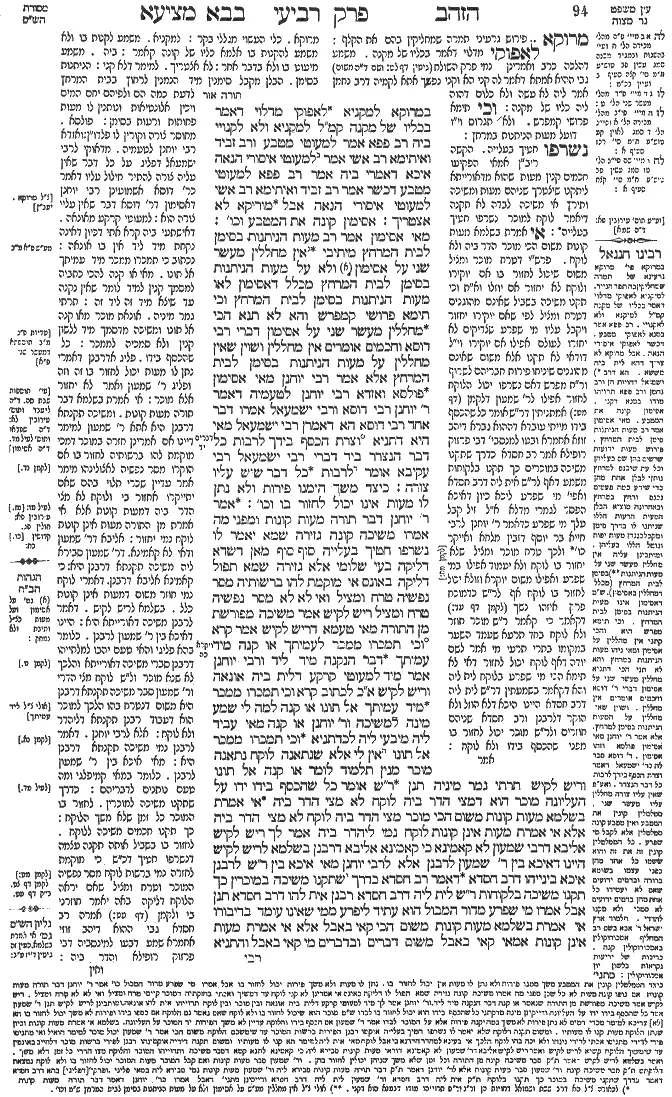
Bava Metzia 47b - Guemara
במרוקא למקניא לאפוקי מדלוי דאמר בכליו של מקנה קמ"ל למקניא ולא לקנויי ביה רב פפא אמר למעוטי מטבע ורב זביד ואיתימא רב אשי אמר למעוטי איסורי הנאה איכא דאמרי ביה אמר רב פפא למעוטי מטבע דכשר אמר רב זביד ואיתימא רב אשי למעוטי איסורי הנאה אבל מוריקא לא אצטריך:
אסימון קונה את המטבע וכו':
מאי אסימון אמר רב מעות הניתנות בסימן לבית המרחץ מיתיבי אין מחללין מעשר שני על אסימון ולא על מעות הניתנות בסימן לבית המרחץ מכלל דאסימון לאו מעות הניתנות בסימן לבית המרחץ וכי תימא פרושי קמפרש והא לא תנא הכי מחללין מעשר שני על אסימון דברי רבי דוסא וחכמים אומרים אין מחללין ושוין שאין מחללין על מעות הניתנות בסימן לבית המרחץ אלא אמר רבי יוחנן מאי אסימון פולסא ואזדא רבי יוחנן לטעמיה דאמר ר' יוחנן רבי דוסא ורבי ישמעאל אמרו דבר אחד רבי דוסא הא דאמרן רבי ישמעאל מאי היא דתניא (דברים יד, כה) וצרת הכסף בידך לרבות כל דבר הנצרר ביד דברי רבי ישמעאל רבי עקיבא אומר לרבות כל דבר שיש עליו צורה:
כיצד משך הימנו פירות ולא נתן לו מעות אינו יכול לחזור בו וכו':
אמר ר' יוחנן דבר תורה מעות קונות ומפני מה אמרו משיכה קונה גזירה שמא יאמר לו נשרפו חטיך בעלייה סוף סוף מאן דשדא דליקה בעי שלומי אלא גזירה שמא תפול דליקה באונס אי מוקמת להו ברשותיה מסר נפשיה טרח ומציל ואי לא לא מסר נפשיה טרח ומציל ריש לקיש אמר משיכה מפורשת מן התורה מאי טעמא דריש לקיש אמר קרא (ויקרא כה, יד) וכי תמכרו ממכר לעמיתך או קנה מיד עמיתך דבר הנקנה מיד ליד ורבי יוחנן אמר מיד למעוטי קרקע דלית ביה אונאה וריש לקיש א"כ לכתוב קרא וכי תמכרו ממכר מיד עמיתך אל תונו או קנה למה לי שמע מינה למשיכה ור' יוחנן או קנה מאי עביד ליה מיבעי ליה לכדתניא וכי תמכרו ממכר אל תונו אין לי אלא שנתאנה לוקח נתאנה מוכר מנין תלמוד לומר או קנה אל תונו וריש לקיש תרתי גמר מיניה תנן ר"ש אומר כל שהכסף בידו ידו על העליונה מוכר הוא דמצי הדר ביה לוקח לא מצי הדר ביה אי אמרת בשלמא מעות קונות משום הכי מוכר מצי הדר ביה לוקח לא מצי הדר ביה אלא אי אמרת מעות אינן קונות לוקח נמי ליהדר ביה אמר לך ריש לקיש אליבא דרבי שמעון לא קאמינא כי קאמינא אליבא דרבנן בשלמא לריש לקיש היינו דאיכא בין ר' שמעון לרבנן אלא לרבי יוחנן מאי איכא בין ר"ש לרבנן איכא בינייהו דרב חסדא דאמר רב חסדא כדרך שתקנו משיכה במוכרין כך תקנו משיכה בלקוחות ר"ש לית ליה דרב חסדא רבנן אית להו דרב חסדא תנן אבל אמרו מי שפרע מדור המבול הוא עתיד ליפרע ממי שאינו עומד בדיבורו אי אמרת בשלמא מעות קונות משום הכי קאי באבל אלא אי אמרת מעות אינן קונות אמאי קאי באבל משום דברים ובדברים מי קאי באבל והתניא
Comments from Rashi on Masechet Bava Metzia Page 47b
מרוקא . כלי העשוי מגללי בקר: למקניא . משמע לקנות בו ולא משמע להקנות בו אלמא כליו של קונה קאמר: ביה . משמע מיעוט בו ולא בדבר אחר: לא אצטריך . למימר דלא קני: הניתנות בסימן . הבלן מקבל סימנין מיד הנמנין לרחוץ בבית המרחץ לדעת כמה הם ולפיהם יחם המים ויכין אלונטיאות ונותנין לו מעות פחותות ורעות בסימן: פולסא . מחוסר צורה וקורין לו פלדו"ן: ואזדא רבי יוחנן לטעמיה . מדאוקי לרבי ישמעאל דפליג על כל דבר שאין עליה צורה להתיר חילול עליו דאמר כר' דוסא אשמועינן רבי יוחנן דאסימון דר' דוסא דבר שאין עליו צורה הוא: למעוטי קרקע מאונאה . דאישתעי ביה קרא אתי דכיון דאינה נקחת מיד ליד אין בו אונאה: נכתוב כי תמכרו ממכר מיד עמיתך אל תונו . מאי או קנה להכי כתביה למסמך קנין למיד לומר שאין נקנה עד שיצא מיד זה ליד זה: תרתי גמר מיניה . אונאת מוכר מאו קנה אל תונו ומשיכה מדסמך מיד ללשון קנין ולא סמכיה לממכר: כל שהכסף בידו . פליג אדרבנן דאמרי נתן לו. מעות יכול לחזור בו זה וזה ופליג ר' שמעון ואמר לא יחזור אלא מוכר: אי אמרת בשלמא דבר תורה מעות קונות . ומשיכה תקנתא דרבנן היא אתא ר' שמעון למימר דיינו אם אמרינן חזרה במוכר דמכי מוקמת להו ברשותיה לחזור בו אם הוקרו מסר נפשיה לאצולינהו מימר אמר עדיין שכרי תלוי בהם שאם יתייקרו אחזור בי ולוקח לא מצי הדר ביה דמעות קונות אלא אי אמרת מן התורה מעות אינן קונות לוקח נמי יחזור: אליבא דר' שמעון ודאי לא קאמינא . דר' שמעון סבירא ליה משיכה תקנתא דרבנן היא: כי קאמינא אליבא דרבנן . דאמרי לוקח נמי חוזר משום דמעות אינן קונות כלל: בשלמא לריש לקיש . דאמר לרבנן משיכה דאורייתא היא: היינו דאיכא בין ר' שמעון לרבנן . כלומר בהא פליגי והאי טעם יהבו למלתייהו דרבנן סברי משיכה דאורייתא והלכך לא שנא מוכר ול"ש לוקח מצי הדרי ור' שמעון סבר משיכה תקנתא דרבנן היא משום דנטרח בהו הלכך למוכר הוא דעבוד רבנן תקנתא דליהדר ולא לוקח: אלא לרבי יוחנן . דאמר לרבנן נמי משיכה תקנתא דרבנן היא: מאי איכא בין ר' שמעון לרבנן . כלומר במאי קמיפלגי ומה טעם נותנים לדבריהם: כדרך שתקנו משיכה למוכרין . לחזור בו המוכר כל זמן שלא משך הלוקח: כך תקנו חכמים משיכה ללוקח . לחזור בו בשביל אותה תקנה עצמה דנשרפו חטיך דכ"ש כי מוקמת לחזרה נמי ברשות לוקח מסר נפשיה המוכר וטרח ומציל שאם יראה הלוקח דליקה באה יאמר חוזרני בי ולקמן (בבא מציעא דף מט:) אמרה רב חסדא גבי ההוא דיהב זוזי אחמרא שמע דבעו למינסביה דבי פרזוק רופילא והדר ביה:
Comments from Tosafot - Bava Metzia 47b
מרוקא . פירוש גרעיני תמרה שמחליקין בהם את הקלף: לאפוקי מדלוי דאמר בכליו של מקנה . משמע דהלכה כרב ואמרינן נמי פרק השולח (גיטין דף לט: ושם ד"ה משום) גבי ההיא אמתא דאמר לה קני הא וקני נפשך אתא לקמיה דרב נחמן אמר ליה לא עשה ולא כלום דהוה ליה כליו של מקנה: וכי תימא פרושי קמפרש . ולא תגרוס וי"ו דועל מעות הניתנות במרחץ: נשרפו חטיך בעלייה . הקשה ריב"ן אמאי הפקיעו חכמים קנין מעות שהוא מדאורייתא ליתקנו שיצטרך שניהם מעות ומשיכה ותירץ אי משיכה לבדה לא תקנה דיאמר לוקח למוכר נשרפו חטיך בעלייה.: אי אמרת בשלמא מעות קונות משום הכי מוכר הדר ביה ולא לוקח . פרש"י דטרח מוכר ומציל משום שיכול לחזור בו אם יוקירו ולוקח לא יחזור אם יוזלו וא"ת וכי תקנו משיכה בשביל שאינם מהוגנים דטרח ומציל לפי שאם יוקירו יחזור ויקבל עליו מי שפרע שצדיקים לא יחזרו לעולם אפילו אם יוקירו וי"ל דודאי לא תקנו אלא משום שאינם מהוגנים שיניחו פירות חבריהם לשרוף ור"ת מפרש דאם נשרפו יכול הלוקח לחזור אפילו לר' שמעון דלקמן (בבא מציעא דף מט:) אמתניתין דר"ש אומר כל שהכסף בידו מייתי עובדא דההוא גברא דיהב זוזא אחמרא ובעו למנסבי' דבי פרזוק רופילא אמר רב חסדא כדרך שתקנו משיכה במוכרים כך תקנו בלקוחות משמע דאף לר"ש אית ליה דרב חסדא ואפי' מי שפרע ליכא כיון דאיכא הפסד לגמרי מדלא א"ל זיל קבל עלך מי שפרע כדאמר ר' יוחנן לרבי חייא בר יוסף דזבין מלחא ואייקר כו' ולכך טרח מוכר ומציל שלא יחזור בו לוקח ולא יעמוד אפילו במי שפרע ואפילו משום יוקרא וזולא יכול לחזור בו לוקח אף לר"ש כדמוכח פרק איזהו נשך (לקמן בבא מציעא דף עד:) דקאמר כי קאמר ר"ש מוכר חוזר ולא לוקח בחד תרעא שעמד השער במקומו בתרי תרעי מי אמר לשם יודה דאף לוקח יכול לחזור דאי לא תימא הכי מי שפרע בלוקח לית ליה והא דקאמר בשמעתין דר"ש לית ליה דרב חסדא היינו היכא דלא הוזל ולא הוקר דלרבנן ורב חסדא שניהם חוזרים ולר"ש מוכר יכול לחזור בו מפני שהכסף בידו ולא לוקח:
Bava Metzia 47b - Mishnah translated into english
with date pits used for cleaning and smoothing parchment. The term to acquire items serves to exclude the opinion of Levi, who says that the symbolic exchange is effected by means of the vessels of the one transferring ownership of the item. This latter expression teaches us that the vessel is given to acquire and not to transfer ownership to the other. With regard to the term: With it, Rav Pappa said: It serves to exclude a coin, which cannot effect a symbolic exchange. And Rav Zevid, and some say Rav Ashi, said: It serves to exclude items from which deriving benefit is prohibited.
Some say a different version of the dispute, as follows. With regard to the term: With it, Rav Pappa said: It serves to exclude a coin, which cannot effect a symbolic exchange. With regard to the term: That is fit, Rav Zevid, and some say Rav Ashi, said: It serves to exclude items from which deriving benefit is prohibited. But according to this version, a verse to exclude date pits is not necessary, as they are of no significance at all.
§ The Gemara returns to an analysis of a passage in the mishna. When one party takes possession of an asimon, the other party acquires the minted coin. The Gemara asks: What is an asimon? Rav said: It is one of the coins given as a token to gain entry into the bathhouse, for which the bathers would pay later.
The Gemara raises an objection from a baraita: One desacralizes second-tithe produce neither with an asimon nor with one of the coins given as a token to gain entry into the bathhouse. This proves by inference that an asimon is not one of the coins given as tokens in a bathhouse. And if you would say the tanna is explaining the meaning of the term asimon, there is a difficulty with that explanation. But wasn’t it taught in another baraita like this: One desacralizes second-tithe produce with an asimon; this is the statement of Rabbi Dosa. And the Rabbis say: One does not desacralize second-tithe produce with an asimon. And they agree that one does not desacralize the second-tithe produce by transferring its sanctity onto one of the coins given as a token to gain entry into the bathhouse. It is clear from this baraita that an asimon is not a token given in a bathhouse.
Rather, Rabbi Yoḥanan said: What is an asimon? It is a blank, i.e., a piece of metal in the shape of a coin that was not yet imprinted. The Gemara comments: And Rabbi Yoḥanan follows his standard line of reasoning, as Rabbi Yoḥanan said: Rabbi Dosa and Rabbi Yishmael said the same thing. Rabbi Dosa, as we stated, said that the legal status of an asimon is that of a coin. With regard to Rabbi Yishmael, what is his statement? It is as it is taught in a baraita: “And you shall bind up [vetzarta] the money in your hand” (Deuteronomy 14:25). This serves to include any type of money that is bound [hanitzrar] in one’s hand, i.e., that has monetary value; this is the statement of Rabbi Yishmael. Rabbi Akiva says: It serves to include any type of money that has an imprint [tzura]. Rabbi Akiva requires a minted coin in order to desacralize a second-tithe produce coin, while Rabbi Yishmael says that a blank can be used as well.
§ The mishna teaches: How so? If the buyer pulled produce from the seller, but the buyer did not yet give the seller their value in coins, he cannot renege on the transaction, but if the buyer gave the seller coins, but did not yet pull produce from him, he can renege on the transaction, as the transaction is not yet complete. By Torah law money effects acquisition, i.e., when one pays money he acquires the item, even if he has not yet performed another act of acquisition. And for what reason did the Sages say that pulling acquires an item and money does not? This is a rabbinic decree lest the seller say to the buyer after receiving the money: Your wheat was burned in the upper story. If a fire breaks out or some other mishap occurs after a seller receives the money, he will not bother to save the goods in his house because they no longer belong to him, and the buyer may incur a loss.
The Gemara asks: Ultimately, the one who ignited the fire is required to pay for the damage caused, and the one who purchased the movable items with money will be reimbursed for his loss, so why was there a need to issue this decree? Rather, it is a rabbinic decree lest a fire be ignited spontaneously due to circumstances beyond one’s control, where no one is liable to pay for the damage caused. If you establish the purchase item in the possession of the seller, he will expend great effort, exert himself, and rescue the item, as it is still his own property. But if you do not establish the purchase item in the possession of the seller, he will not expend great effort, exert himself, and rescue the item. That is the opinion of Rabbi Yoḥanan.
Reish Lakish says: The act of acquisition of pulling is explicit in the Torah, and it is not merely by rabbinic decree that payment of money does not effect acquisition of movable property. The Gemara asks: What is the reason for the opinion of Reish Lakish? He derives it from the Torah, as the verse states: “And if you sell to your colleague an item that is sold, or acquire from your colleague’s hand, you shall not exploit his brother” (Leviticus 25:14), and the reference is to an item that is acquired from hand to hand, i.e., by means of pulling.
And Rabbi Yoḥanan said: The term “from your colleague’s hand” is not teaching that an item can be acquired by pulling. Rather, it serves to exclude land, which is not subject to the halakha of exploitation because it is not physically handed over from one to another.
The Gemara asks: And how does Reish Lakish respond to that explanation? The Gemara answers: Reish Lakish agrees that the verse serves to exclude land from the halakha of exploitation. But if it is so that this was its only purpose, let the verse write: And if you sell, from your colleague’s hand, an item that is sold, you shall not exploit. Why do I need the additional phrase “or acquire”? Learn from it that acquisition by Torah law is effected by means of pulling.
The Gemara asks: And as for Rabbi Yoḥanan, what does he do with the phrase “or acquire”? What halakha does he derive? The Gemara answers: He requires that phrase for that which is taught in a baraita: From the phrase in the verse: “And if you sell to your colleague an item that is sold…you shall not exploit,” I have derived only a case where the buyer was exploited. From where is it derived that the halakha is the same in a case where the seller was exploited? The verse states: “Or acquire…you shall not exploit,” indicating that it is prohibited for the one who acquires the item to exploit the seller.
The Gemara asks: And from where does Reish Lakish derive this halakha? He derives two halakhot from the phrase “or acquire from your colleague’s hand.” He derives that it is prohibited to exploit the seller and that movable items are acquired by means of pulling.
We learned in the mishna that Rabbi Shimon says: Anyone who has the money in his possession has the advantage. It is the seller who can retract from the transaction; the buyer cannot retract from the transaction. The Gemara asks: Granted, if you say that giving money effects acquisition of movable property, it is due to that reason that the seller can retract from the transaction and the buyer cannot retract from the transaction. Rabbi Yoḥanan explained that the Sages instituted pulling to complete the transaction for the benefit of the buyer so that the seller will expend great effort and rescue the item, as it is still his own property. But the seller acquires the money immediately. But if you say in general that giving money does not effect acquisition of movable property, let the buyer also renege on the transaction.
The Gemara answers: Reish Lakish could have said to you: I did not state my opinion in accordance with the opinion of Rabbi Shimon; when I stated my opinion it was in accordance with the opinion of the Rabbis.
The Gemara asks: Granted, according to Reish Lakish, that is the dispute between the opinions of Rabbi Shimon and the Rabbis, as Rabbi Shimon holds that money effects acquisition of the item and the Rabbis hold that only pulling the item effects its acquisition. But according to Rabbi Yoḥanan, what difference is there between the opinion of Rabbi Shimon and that of the Rabbis? The Gemara responds: The difference between them is with regard to the statement of Rav Ḥisda, as Rav Ḥisda says: Just as the Sages instituted pulling for the sellers, likewise, they instituted pulling for the buyers. Until the item is pulled, the buyer can also renege on the transaction. Rabbi Shimon does not hold in accordance with the statement of Rav Ḥisda, and the Rabbis hold in accordance with the statement of Rav Ḥisda.
We learned in the mishna: But the Sages said: He Who exacted payment from the people of the generation of the flood, and from the generation of the dispersion, will in the future exact payment from whoever does not stand by his statement. Granted, if you say that giving money effects acquisition of movable property, it is due to that reason that one who reneges on the transaction after the money is paid stands subject to the curse: But the Sages said: He Who exacted payment. But if you say that giving money does not effect acquisition of movable property, why does one who reneges after the money is paid stand subject to the curse: But the Sages said: He Who exacted payment? The Gemara answers: It is due to the fact that he reneged on a statement of his committing himself to buy the item.
The Gemara asks: And does one who reneged on a statement of commitment stand subject to the curse: But the Sages said: He Who exacted payment? But isn’t it taught in a baraita:
Traduction : The William Davidson digital edition of the Koren Noé Talmud, with commentary by Rabbi Adin Even-Israel Steinsaltz.