 Talmud Bavli
The learning on the whole site is dedicated : L'ilui Nishmat Nissim ben Barukh Malka
The learning on the whole site is dedicated : L'ilui Nishmat אסתר בת חיים
The learning on the whole site is dedicated : L'ilui Nishmat אליעזר בן רחל
Bava Metzia 44b : Youtube
Daf TubeYoutube
1 video class :
Bava Metzia Page 44b
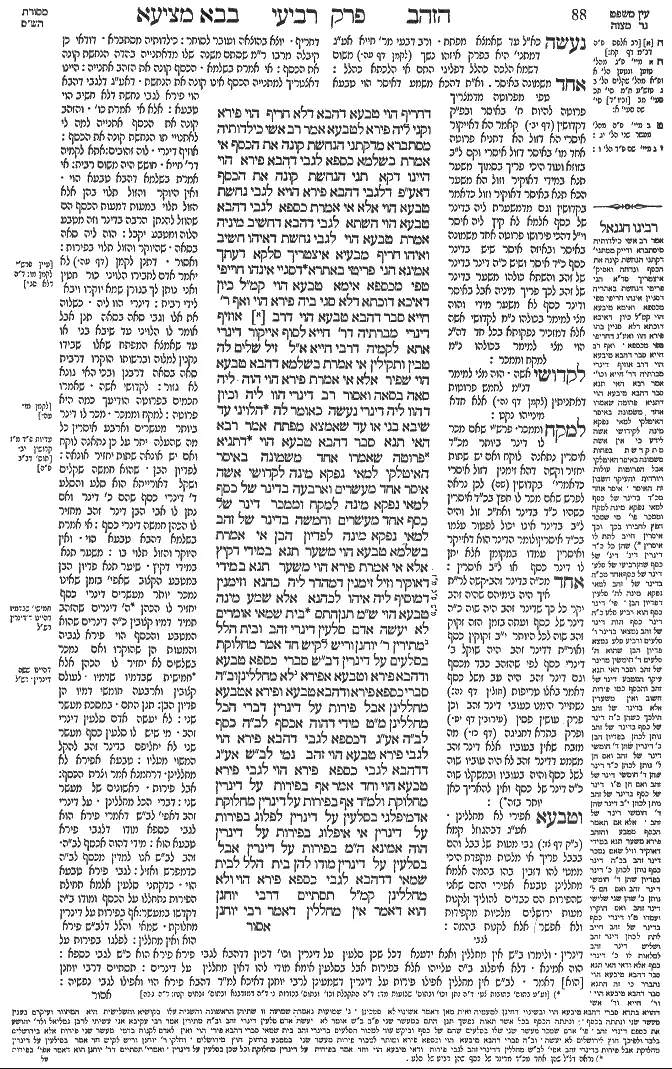
Bava Metzia 44b - Guemara
דחריף הוי טבעא דהבא דלא חריף הוי פירא וקני ליה פירא לטבעא אמר רב אשי כילדותיה מסתברא מדקתני הנחשת קונה את הכסף אי אמרת בשלמא כספא לגבי דהבא פירא הוי היינו דקא תני הנחשת קונה את הכסף דאע"פ דלגבי דהבא פירא הויא לגבי נחשת טבעא הוי אלא אי אמרת כספא לגבי דהבא טבעא הוי השתא לגבי דהבא דחשיב מיניה אמרת טבעא הוי לגבי נחשת דאיהו חשיב ואיהו חריף מבעיא איצטריך סלקא דעתך אמינא הני פריטי באתרא דסגיי אינהו חריפי טפי מכספא אימא טבעא הוי קמ"ל כיון דאיכא דוכתא דלא סגי ביה פירא הוי ואף ר' חייא סבר דהבא טבעא הוי דרב אוזיף דינרי מברתיה דר' חייא לסוף אייקור דינרי אתא לקמיה דרבי חייא א"ל זיל שלים לה טבין ותקילין אי אמרת בשלמא דהבא טבעא הוי שפיר אלא אי אמרת פירא הוי הוה ליה סאה בסאה ואסור רב דינרי הוו ליה וכיון דהוו ליה דינרי נעשה כאומר לה הלויני עד שיבא בני או עד שאמצא מפתח אמר רבא האי תנא סבר דהבא טבעא הוי דתניא פרוטה שאמרו אחד משמונה באיסר האיטלקי למאי נפקא מינה לקדושי אשה איסר אחד מעשרים וארבעה בדינר של כסף למאי נפקא מינה למקח וממכר דינר של כסף אחד מעשרים וחמשה בדינר של זהב למאי נפקא מינה לפדיון הבן אי אמרת בשלמא טבעא הוי משער תנא במידי דקיץ אלא אי אמרת פירא הוי משער תנא במידי דאוקיר וזיל זימנין דמהדר ליה כהנא וזימנין דמוסיף ליה איהו לכהנא אלא שמע מינה טבעא הוי ש"מ תנן התם בית שמאי אומרים לא יעשה אדם סלעין דינרי זהב ובית הלל מתירין ר' יוחנן וריש לקיש חד אמר מחלוקת בסלעים על דינרין דב"ש סברי כספא טבעא ודהבא פירא וטבעא אפירא לא מחללינן וב"ה סברי כספא פירא ודהבא טבעא ופירא אטבעא מחללינן אבל פירות על דינרין דברי הכל מחללינן מ"ט מידי דהוה אכסף לב"ה כסף לב"ה אע"ג דכספא לגבי דהבא פירא הוי לגבי פירא טבעא הוי זהב נמי לב"ש אע"ג דדהבא לגבי כספא פירא הוי לגבי פירא טבעא הוי וחד אמר אף בפירות על דינרין מחלוקת ולמ"ד אף בפירות על דינרין מחלוקת אדמיפלגי בסלעין על דינרין לפלוג בפירות על דינרין אי איפלוג בפירות על דינרין הוה אמינא ה"מ בפירות על דינרין אבל בסלעין על דינרין מודו להן בית הלל לבית שמאי דדהבא לגבי כספא פירא הוי ולא מחללינן קמ"ל תסתיים דרבי יוחנן הוא דאמר אין מחללין דאמר רבי יוחנן
Comments from Rashi on Masechet Bava Metzia Page 44b
גמ' דחריף . יוצא בהוצאה ועובר לסוחר: כילדותיה מסתברא . דודאי כן קיבלה מרבו ר"מ שסתם משנה שלו מדאתנייה בהדה הנחשת קונה את הכסף: אי אמרת בשלמא . הכסף קונה את הזהב אתנייה: היינו דאצטריך למתנייה הכסף אינו קונה את הנחשת . דאע"ג דלגבי דהבא הוי פירא לגבי נחשת דלא חשיב הוי טבעא: אלא אי אמרת כו' . והזהב קונה את הכסף אתנייה למה לי לאתנויי תו הנחשת קונה את הכסף: אוזיף דינרי . לוה זהובים: אתא לקמיה דר' חייא . חושש היה משום רבית: אי אמרת בשלמא דהבא טבעא הוי . ואין היוקר והזול תלוי בהן אלא הזול תלוי במעות דמעות הכסף הם שהוזל להנתן הרבה בדינר וזה מטבע הלוה ומטבע יקבל: הוה ליה סאה בסאה . שהיוקר והזול תלוי בפירות: ואסור . דתנן לקמן (בבא מציעא דף עה.) לא יאמר אדם לחבירו הלויני כור חטין ואני נותן לך בגורן שמא יוקרו ויבא לידי רבית: דינרי הוו ליה . כשלוה את אלו וגבי סאה בסאה תנן אבל אומר לו הלויני עד שיבא בני או עד שאמצא המפתח שאלו שבידו נקנין למלוה וברשותו הוקרו דרבית סאה בסאה דרבנן ובכי האי גונא לא גזור: לקדושי אשה . שאמרו חכמים בפרוטה הודיעך כמה היא פרוטה: למקח וממכר . מכר לו דינר ביותר מעשרים וארבע איסרין כל מה שהעלה יתר על כן נתאנה לוקח ואם יש אונאה שתות יחזיר אונאה: לפדיון הבן . שהוא חמשה שקלים ושקל דאורייתא הוא סלע והסלע ד' דינרי כסף שהם כ' דינר ואם נתן לו אבי הבן דינר זהב מחזיר לו הכהן חמשה דינרי כסף: אי אמרת בשלמא דהבא טבעא הוי . ואין היוקר והזול תלוי בו: משער תנא במידי דקיץ . שיער תנא פדיון הבן במטבע הקצוב שאפי' בזמן שאינו נמכר יותר מעשרים דינרי כסף יחזיר לו הכהן ה' דינרים שהזהב תמיד דמיו קצובין כ"ה דינרים שהוא המטבע והכסף הוי פירא לגביה והמעות הן שהוקרו ואם נמכר בשלשים לא יחזיר לו הכהן אלא חמישית שבדמיו שדמיו לעולם קצובין וארבעה חומשי דמיו הן פדיון הבן: תנן התם . במסכת מעשר שני: לא יעשה אדם סלעין דינרי זהב . מי שיש לו סלעין כסף מעשר שני לא יחליפם בדינר זהב להקל המשוי מעליו: טבער אפירא לא מחללינן . דרחמנא אמר וצרת הכסף: אבל פירות . ראשונים של מעשר שני: דברי הכל מחללינן . על דינרי זהב דאפילו לב"ש דאמרי פירא הוא לגבי כספא מודו דלגבי פירא טבעא הוא: מידי דהוה אכסף לב"ה . זהב לב"ש אנו למדין מכסף לב"ה כדמפרש ואזיל: לגבי פירא טבעא הוי . כדקתני סלעין אלמא תחילת הפירות נתחללו על הכסף ומודו ב"ה דקדשו במעשר: אף בפירות על דינרין מחלוקת . שמאי והלל דלב"ש פירא הוא ואין מחללין: לפלגו בפירות על דינרין . ולימרו ב"ש אין מחללין ואנא ידענא דכל שכן סלעין על דינרין וכו' דכיון דדהבא לגבי פירא פירא הוא כ"ש לגבי כספא: הוה אמינא . דלא איפלוג ב"ה עלייהו אלא בפירות אבל בסלעין אימא מודי להו דאין מחללין על דינרים: תסתיים דרבי יוחנן [הוא] דאמר . לב"ש אין מחללין אפילו פירות על דינרין דשמעינן לרבי יוחנן דאיכא למ"ד דהבא פירא הוי ואפילו לגבי נפשיה:
Comments from Tosafot - Bava Metzia 44b
נעשה כא"ל עד שאמצא מפתח . ורב דבעי מר' חייא אע"ג דמתני' היא בפרק איזהו נשך (לקמן בבא מציעא דף עה.) משום דשמא הלכה כהלל דפליגי התם אי הלכתא כהלל: אחד משמונה באיסר . וא"ת דהכא משמע דאיסר הוי טבעא טפי מפרוטה מדמצריך פרוטה להיות ח' באיסר ובפ"ק דקדושין (דף יב.) קאמר הא דאייקור איסרי הא דזול הא דתניא פרוטה אחד מו' באיסר דזול איסרי וקם ל"ב בזוזא ועוד היכי פריך בסמוך משער תנא במידי דאוקיר וזול הא משער הכא תנא באיסר דאוקיר וזול כדאמר בקדושין וגם מדמשערת ליה בדינר של כסף אלמא לא קיץ ליה איסר וי"ל דהכי פירושו פרוטה אחד משמונה באיסר ובאיזה איסר שיש בדינר כסף כ"ד איסר ושיש כ"ה דינר בדינר של זהב והשתא כולהו משער בדינר של זהב לכך פריך מיניה אבל באיסר ודינר כסף לא משער מידי והוה מצי למימר בכולהו נ"מ לקדושי אשה אלא דמזכיר נפקותא בכל חד דה"נ הוי מצי למימר בכולהו נ"מ למקח וממכר: לקדושי אשה . הוה מצי למימר דנ"מ לחמש פרוטות דמתניתין (לקמן בבא מציעא דף נה.) אלא חדא מינייהו נקט: למקח וממכר . פרש"י שאם מכר לו דינר ביותר מכ"ד איסרין נתאנה לוקח ואם יש שתות יחזיר וקשה דהא זימנין דזול איסרי כדאמרי' בקדושין (שם) לכן נראה לפרש שאם מכר לו חפץ בכ"ד איסרין כשהיו כ"ד בדינר ואח"כ זול והיה ל"ב בדינר אינו יכול לפטור עצמו בכ"ד איסרין ולומר הדינר הוא דאייקר ואיסרין עמדו במקומן אלא יתן לו דינר כסף או ל"ב איסרין: אחד מכ"ה בדינר זהב . קשה לר"ת איך היה בימיהם שהיה זהב יקר כל כך שדינר זהב היה שוה כ"ה דינר של כסף ועתה בזמן הזה זקוק זהב שוה לכל היותר י"ב זקוקין כסף ואור"ת דדינר זהב היה שוקל ב' דינרי כסף לפי שהזהב כבד מכסף וגם דינר זהב היה עב משל כסף דאמר באלו טריפות (חולין דף נה:) נשתייר הימנו כעובי דינר זהב וכן פרק עושין פסין (עירובין דף יט.) ופרק בתרא דחגיגה (דף כז.) מה מזבח שאין בעוביו אלא דינר זהב משמע דדינר זהב לא היה עוביו שוה לשל כסף והיה בעוביו ובמשקלו שוה כ"ה דינר של כסף ואין להאריך כאן יותר בזה: וטבעא אפירי לא מחללינן . אע"ג דבהגוזל קמא (ב"ק דף צז:) גבי מעות של בבל והם בבבל פריך אי מלכות מקפדת היכי ממטי להו דזבין בהו בהמה אלמא מחללינן טבעא אפירי התם שאני שהפירות הם כבדים להוליך ולקנות מעות ירושלים מלכיות מקפידות ולא אפשר אלא לקנות בהמה:
Bava Metzia 44b - Mishnah translated into english
which circulate, in the sense that they are universally accepted by merchants, in contrast to gold coins, which merchants are less willing to accept as payment for inexpensive items, are currency; gold coins, which do not circulate, are a commodity. And the principle is: When one party takes possession of the commodity, the other party acquires the currency.
Rav Ashi said: It is reasonable to teach the halakha in accordance with that which he taught in his youth. This is from the fact that the tanna teaches later in the mishna: When one party takes possession of the copper coins, the other party acquires the silver coins.
Rav Ashi explains: Granted, if you say that the silver coins relative to the gold coins are a commodity, that is the reason that the tanna teaches: When one party takes possession of the copper coins, the other party acquires the silver coins, as, even though relative to the gold coins, the silver coins are a commodity, the tanna teaches that relative to copper coins, they are currency. But if you say that the silver coins relative to the gold coins are currency the subsequent ruling is self-evident, as now, relative to the gold coins, which are more valuable than the silver coins, you say that silver coins are currency, then relative to copper coins, as the silver coins are more valuable than the copper coins and they also circulate more easily, is it necessary for the mishna to state that the silver coins are currency and the copper coins are a commodity?
The Gemara rejects this proof. Even if you teach the halakha in accordance with the opinion of Rabbi Yehuda HaNasi in his old age, it was necessary for the tanna to teach the halakha of silver and copper coins as well. This is because it might enter your mind to say that in a place where these copper perutot circulate, they circulate more easily than silver coins. Therefore, say that they are the currency and the silver coins are the commodity. Therefore, the tanna teaches us that since silver coins are universally accepted as currency and there is a place where copper coins do not circulate, the copper coins are a commodity.
§ The Gemara comments: And Rabbi Ḥiyya, as well, holds that gold coins are currency relative to silver. This is seen from the incident where Rav borrowed gold dinars from the daughter of Rabbi Ḥiyya. Ultimately, the gold dinars appreciated in value. Rav came before Rabbi Ḥiyya to ask his opinion. Rav was concerned that by returning more valuable dinars than he borrowed, this would violate the prohibition against paying interest. Rabbi Ḥiyya said to Rav: Go and pay her unflawed and weighed dinars. Return the number of dinars that you borrowed, as their monetary value is irrelevant. The Gemara asks: Granted, if you say that the gold coins are currency, this works out well, as he borrowed and repaid the same coins. But if you say that the gold coins are a commodity, this is parallel to the case of one who borrows a se’a of produce and repays a se’a of produce, which is prohibited, as the price of the produce may increase in the interim (see 75a).
The Gemara rejects this proof. The dinars that Rav received from the daughter of Rabbi Ḥiyya did not constitute a standard loan, as Rav had dinars elsewhere, but he needed money immediately. And since he had dinars, it is tantamount to saying to her: Lend me money until my son comes or until I find the key. As the mishna on 75a teaches, when the borrower possesses the same item he is borrowing, and merely does not have momentary access to it, this type of borrowing and repayment is permitted.
Rava said: This following tanna also holds that the gold coins are currency, as it is taught in a baraita: The peruta of which the Sages spoke in all places in the mishna is one-eighth of an Italian issar. The Gemara asks: What is the practical difference that emerges from this calculation? Ostensibly, a peruta is a peruta. The Gemara explains: Its consequences are for the betrothal of a woman with money, which can be effected only with money or an item worth at least one peruta. This peruta is assessed by means of the Italian issar. The baraita continues: An issar is one twenty-fourth of a silver dinar. The Gemara asks: What is the practical difference that emerges from this calculation? The Gemara answers: Its consequences are for buying and selling, to establish its value for use in commercial transactions.
The baraita continues: A silver dinar is one twenty-fifth of a gold dinar. What is the practical difference that emerges from this calculation? The Gemara explains: Its consequences are with regard to redemption of the firstborn son. The father of a firstborn gives the priest five sela, which are worth twenty silver dinars. Were he to give the priest a gold dinar he would receive five silver dinars change.
The Gemara asks: Granted, if you say that the gold coins are currency, the tanna calculates the value of the coins based on an item whose value is fixed. The value of the gold coin is the currency with fixed value, relative to which the silver dinar is a commodity, whose value fluctuates. But if you say that gold is a commodity, would the tanna calculate the value of a silver coin based on an item that appreciates and depreciates? If the value of gold fluctuates, sometimes the priest returns more than five silver dinars to the father who redeemed his son with a gold dinar, and sometimes the father must add to the gold dinar and give this additional sum along with the gold dinar to the priest to complete the sum of five sela. Rather, learn from it that the tanna holds that the gold coins are currency. The Gemara affirms: Learn from it that this is so.
§ We learned in a mishna there (Ma’aser Sheni 2:7): Beit Shammai say: A person may not transfer silver sela coins of tithe money or other consecrated coins into gold dinars through redemption, and Beit Hillel permit doing so. Rabbi Yoḥanan and Reish Lakish disagreed. One said: The dispute between Beit Shammai and Beit Hillel is with regard to exchanging silver sela coins for gold dinars, as Beit Shammai hold that the silver coins are currency and the gold coins are a commodity, and we do not desacralize currency with a commodity. And Beit Hillel hold that the silver coins are a commodity and the gold coins are currency, and we desacralize a commodity with currency. But everyone agrees that we desacralize produce with gold dinars.
What is the reason for the difference between sela coins and produce? The reason is just as it is with regard to silver coins according to Beit Hillel. With regard to silver coins according to Beit Hillel, although silver coins relative to gold coins are a commodity, relative to produce they are currency. So too is the status of gold coins according to Beit Shammai: Although gold coins are a commodity relative to silver coins, relative to produce they are currency. Therefore, one may desacralize produce with gold dinars. And one said: Even with regard to the exchange of produce for dinars there is a dispute between Beit Shammai and Beit Hillel.
The Gemara asks: And according to the one who says: There is a dispute even with regard to the exchange of produce for dinars, then rather than disagreeing with regard to the exchange of sela coins for dinars let them disagree with regard to the fundamental case of desacralizing, the exchange of produce for dinars. The Gemara answers: Had they disagreed with regard to the exchange of produce for dinars, I would say: This matter applies only with regard to the exchange of produce for dinars. But with regard to the exchange of sela coins for dinars, Beit Hillel concede to Beit Shammai that gold coins relative to silver coins are a commodity, and we do not desacralize currency with a commodity. Therefore, the tanna teaches us that they disagree in that case as well.
The Gemara suggests: Conclude that in this dispute between Rabbi Yoḥanan and Reish Lakish it is Rabbi Yoḥanan who said: One does not desacralize produce with gold dinars, as Rabbi Yoḥanan said:
Traduction : The William Davidson digital edition of the Koren Noé Talmud, with commentary by Rabbi Adin Even-Israel Steinsaltz.