 Talmud Bavli
Nazir 65b : Youtube
Daf TubeYoutube
2 video classes :
Nazir Page 65b
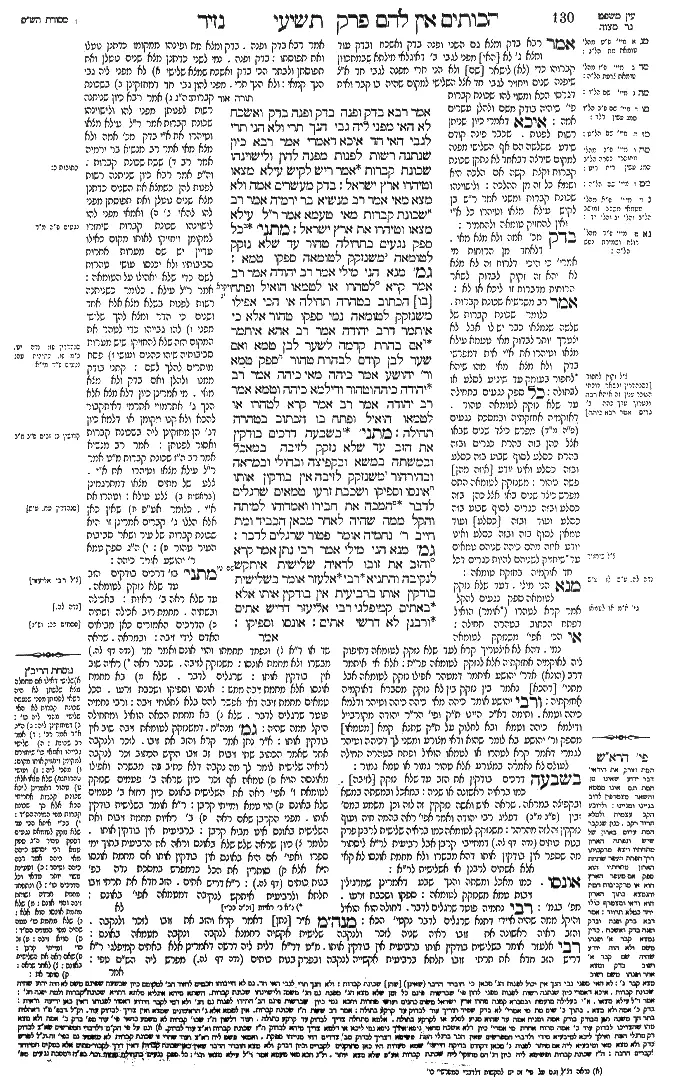
Nazir 65b - Guemara
אמר רבא בדק ופנה בדק ופנה בדק ואשכח לא האי מפני ליה גבי הנך תרי ולא הני תרי לגבי האי חד איכא דאמרי אמר רבא כיון שנתנה רשות לפנות מפנה להון ולישוינהו שכונת קברות אמר ריש לקיש עילא מצאו וטיהרו ארץ ישראל:
בדק מעשרים אמה ולא מצא מאי אמר רב מנשיא בר ירמיה אמר רב שכונת קברות מאי טעמא אמר ר"ל עילא מצאו וטיהרו את ארץ ישראל:
מתני׳ כל ספק נגעים בתחילה טהור עד שלא נזקק לטומאה משנזקק לטומאה ספקו טמא:
גמ׳ מנא הני מילי אמר רב יהודה אמר רב אמר קרא (ויקרא יג, נט) לטהרו או לטמאו הואיל ופתח [בו] הכתוב בטהרה תחילה אי הכי אפילו משנזקק לטומאה נמי ספקו טהור אלא כי איתמר דרב יהודה אמר רב אהא איתמר אם בהרת קדמה לשער לבן טמא ואם שער לבן קודם לבהרת טהור ספק טמא ור' יהושע אמר כיהה מאי כיהה אמר רב יהודה כיהה וטהור ודילמא כיהה וטמא אמר רב יהודה אמר רב אמר קרא לטהרו או לטמאו הואיל ופתח בו הכתוב בטהרה תחילה:
מתני׳ בשבעה דרכים בודקין את הזב עד שלא נזקק לזיבה במאכל ובמשתה במשא ובקפיצה ובחולי ובמראה ובהירהור משנזקק לזיבה אין בודקין אותו אונסו וספיקו ושכבת זרעו טמאים שרגלים לדבר המכה את חבירו ואמדוהו למיתה והקל ממה שהיה לאחר מכאן הכביד ומת חייב ר' נחמיה אומר פטור שרגלים לדבר:
גמ׳ מנא הני מילי אמר רבי נתן אמר קרא (ויקרא טו, לג) והזב את זובו לראיה שלישית איתקש לנקיבה והתניא רבי אלעזר אומר בשלישית בודקין אותו ברביעית אין בודקין אותו אלא באתים קמיפלגי רבי אליעזר דריש אתים ורבנן לא דרשי אתים:
אונסו וספיקו:
Comments from Rashi on Masechet Nazir Page 65b
אמר רבא בדק ופנה . בדק ומצא מת ופינהו ממקומו כדתנן נוטלו ואת תפוסתו: בדק ופנה . נמי לשני כדתנן מצא שנים נוטלן ואת תפוסתן ולבתר הכי בדק ואשכח שמצא שלישי לא מפני ליה גבי הנך קמאי: ולא הנך תרי . מפני להון גבי חד דמחזקינן בשכונת קברות: ה"ג אמר רבא כיון שניתנה רשות לפנותן מפני להו ולישוינהו שכונת קברות אמר ר"ל עילא מצאו וטיהרו את א"י בדק מכ' אמה ולא מצא מאי אמר רב מנשיא בר ירמיה אמר רב ששת שכונת קברות . וה"פ אמר רבא כיון שניתנה רשות לפנות להן כשמצא את השנים כדתנן מצא שנים נוטלן ואת תפוסתן מפני להו להאי ג' ואמאי מפני להו לישוינהו שכונת קברות שיחזרו למקומן ויחזיקו לאותו מקום כאילו עדיין יש שם מערות אחרות סביבותיו ולא יכנסו עושי טהרות לשם כדי שלא יאהילו על הטומאה: אמר ר"ל עילא . כלומר כשניתנה רשות לפנות בשלא מצא אלא אחד ושנים כי הדר ומצא להך שלישי מפני להו גבייהו כדי לטהר את המקום הזה שלא להחזיקו שיש מערות סביבותיה שיהו כהנים ועושי פסח מותרים להלך לשם: קתני בודק ממנו ולהלן ואם בדק ולא מצא מאי . מי אמרינן כיון דלא מצא אלא הנך ג' אתרמויי אתרמי דאיתקבור להכא ולא קנו מקומן או דלמא כיון דג' הן מחזקינן ליה בשכונת קברות ואסור לפנותן: אמר רב מנשיא אמר רב ה"ז שכונת קברות מ"ט אמר רב ר"ל עילא מצאו וטיהרו את א"י . צלע של מתים מצאו דמתרגמינן (בראשית ב) צלע עילא: וטהרו את א"י . כלומר אע"פ שאין כאן אלא הללו ג' קברים אמרינן זו היא שכונת קברות של עיר ושאר סביבות העיר טהור: ה"ג ספק טמא ר' יהושע אומר כיהה: מתני' בז' דרכים בודקים הזב עד שלא נזקק לטומאה . עד שלא ראה ב' ראיות: באכילה ובשתיה . מחמת רוב אכילה ושתיה הדרכים האמורים כאן מביאים האדם לידי זיבה: ובמראה . שראה שד או ד"א ונפחד מחמתו והוי אונס ואמר מר (נדה דף לה.) מבשרו ולא מחמת אונסו: משנזקק לזיבה . שכבר ראה ראיה שוב אין בודקין אותו: שרגלים לדבר . שלא בא מחמת אונסו אלא מחמת זיבה ממש: אונסו וספיקו ושכבת זרעו . הכל טמאים מחמת זיבה דאי אפשר להם בלא צחצוחי זיבה: ורבי נחמיה פוטר שרגלים לדבר . שלא בא מחמת הכאה הואיל ומתחילה היקל ממה שהיה: גמ' מנה"מ . דמשנזקק לטומאת זיבה שוב אין בודקין אותו: א"ר נתן אמר קרא והזב את זובו . לזכר ולנקבה אחר שאמר הכתוב שתי זיבות זב זובו הקיש הכתוב זכר לנקבה לראיה שלישית לומר לך מה נקבה דלא כתיב בה מבשרה ואפילו מאונסה הויא טמאה אף זכר כיון שראה ב' פעמים שנזקק לטומאת ז' אפי' ראה את השלישית באונס כיון דחזא ב' פעמים שלא באונס הוי טמא ומייתי קרבן: ר"א אומר בשלישית בודקין אותו . מפני הקרבן שאם ראה ב' ראיות מחמת זיבות ואת השלישית באונס אינו מביא קרבן: ברביעית אין בודקין אותו . כלומר כיון שראה שלש שלא באונס וראה את הרביעית בתוך ימי ספרו ואפי' אם היא באונס אין בודקין אותו אם מחמת אונסו היא אלא סותרין את הכל כדמפרש במסכת נדה בפ' בנות כותים (דף לה.): ר"א דריש אתים . הזב חדא את תרתי זובו תלתא ולרביעית איתקש לנקיבה דמטמאה אפי' באונס:
Comments from Tosafot - Nazir 65b
אמר רבא בדק . ומצא גם השני ופנה בדק ואשכח ובדק עוד ומצא ג' לא [האי] מפני לגבי ב' דאיגלאי מילתא שבמתכוון קברוהו כדי (לא) לישאר [שם] ולא הני תרי מפנה לגבי חד א"צ שיפנה שנים ויחזיר לגבי חד אצל השלישי למקום שהיה בו קבר ואית דגרסי הכא ומשוי להו שכונת קברות פי' שיהיה בודק משם ולהלן עשרים אמה: איכא דאמרי כיון שניתן רשות לפנות . שכבר פינה קודם שידע ששלשה הם אף השלישי מפנה למקום שירצה דבאחד לא נתקן שכונת קברות וקצת קשה אם הלכה היא ושמא כל זה מן ההלכה: ולישוינהו שכונת קברות ומשני אמר ר"ש בן לקיש עילא מצאו וטיהרו כל א"י ואין להחזיק טומאה ולהחמיר: בדק מכ' אמה ולא מצא מאי . דלאחד מן הרוחות מי אמרי' כי היכי דלרוח זה לא מצא לא יהא זה זקוק לבדוק לשאר הרוחות מדברות זו ליכא או לא: אמר רב משרשיא שכונת קברות . כלומר שכונת קברות של שלשה שנמצאו כבר יש לו אבל לא יצטרך יותר לבדוק מאי טעמא עילא מצאו וטיהרו את א"י אית דמפרשי בדק ולא מצא מאי מהו שיהא לחפור בעומק עד שיגיע לסלע לבתולה: כל ספק נגעים בתחילה עד שלא נזקק לטומאה טהור . דאוקמיה אחזקתיה ובמסכת נגעים (פ"ה מ"ד) מפרש כיצד שנים שבאו אצל כהן בזה בהרת כגריס ובזה בהרת כסלע לסוף שבוע בזה כסלע ובזה כסלע ואינו יודע [איזה מהן] פשה טהור: משנזקק לטומאה התם מפרש כיצד שנים באו אצל כהן בזה כסלע ובזה כגריס לסוף שבוע בזה כסלע ועוד ובזה [כסלע] ועוד טמאין לסוף בזה ובזה כסלע ואינו יודע איזה מהם כיהה שניהם טמאים עד שיחזיק לשניהם להיות כגרים דכל חד אוקמיה בחזקת טומאה: מנא הני מילי . דעד שלא נזקק לטומאה ספק נגעים להקל אמר קרא לטהרו (אומר) הואיל דפתח הכתוב בטהרה תחילה: אי הכי אפי' משנזקק לטומאה נמי . דהא לא איצטריך קרא לעד שלא נזקק לטומאה דתיפוק ליה לאוקמיה אחזקתיה אלא לנזקק לטומאה פר"ת: אלא אי איתמר דרב (הונא) אדר' יהושע איתמר דמטהר אפילו נזקק לטומאה אבל מתני' [דהכא] נאמר בין נזקק בין לא נזקק מסברא דאוקמיה אחזקתיה: ורבי יהושע אומר כיהה מאי כיהה כיהה וטיהר ודלמא כיהה וטמא . ותימה דא"כ היינו ת"ק ופי' הר"ר יהודה מקורבייל ודילמא כיהה וטמא ובא לחלוק על ת"ק שתנא קמא [מטמאו] מספק ור' יהושע בא לומר שהוא ודאי מצורע ומשני לך דכיהה וטיהר לגמרי דאמר קרא לטהרו או לטמאו הואיל ופתח בטהרה תחילה לעולם לא נאמרה במצורע אלא טהור גמור או טמא גמור: בשבעה דרכים בודקין את הזב עד שלא נזקק [לזיבה] . כמו בראיה ראשונה או שניה: במאכל ובמשתה במשא ובקפיצה במראה . שראה איש ואשה נזקקין זה לזה וכן משמע במס' זבין (פ"ב מ"ב) דפליג רבי יהודה ואמר אפי' ראה בהמה חיה ועוף נזקקין זה לזה מהרהר: משנזקק לטומאה כמו בראיה שלישית לרבנן פרק בנות כותים (נדה דף לה.) דמחייבי קרבן אבל רביעית לר"א ליסתור מה שספר אין בודקין אותו דהא מבשרו ולא מחמת אונסו לא קאי אלא אשתים לרבנן או אשלישית לר"א: אונסו . כמו מאכל ומשתה והנך שבע דאמרינן שמרגילין זיבות טמא משנזקק לטומאה: ספקו ושכבת זרעו . מפ' בגמ': רבי נחמיה פוטר שרגלים לדבר . דחולה הוא הואיל והיקל ממה שהיה איידי דתנא שרגלים לדבר נקטי' הכא: מנה"מ א"ר [נתן] דאמר קרא והזב את זובו לזכר ולנקבה . והזב ראיה ראשונה את זובו ראיה שניה לזכר ולנקבה שלישית אקשיה רחמנא לנקבה ונקבה מטמאה באונס: רבי אלעזר אומר בשלישית בודקין אותו ברביעית אין בודקין אותו . מ"ט דר"א דלית ליה דרשה דאמרינן אלא באתים קמיפלגי ר"א דריש הזב חדא את תרתי זובו תלתא ברביעית אקשייה לנקבה ובפרק בנות כותים (נדה דף לה.) מפרש ליה הש"ס טפי:
Nazir 65b - Mishnah translated into english
Rava said: With regard to one who examined, found a corpse, and removed it from its place, and again examined nearby, found another corpse, and removed it from its place as well, if he examined yet again and discovered a third corpse, he does not move this third one alongside these two he has already moved, as he now knows that this was a graveyard and the corpses were buried there intentionally. And he does not return these two alongside this one either, as he is not obligated to restore the corpses to their prior locations after they have been reburied.
There are those who say that Rava said: Since permission was granted to move the first and second corpses, one may therefore move them all, including the third one. The Gemara asks: And let us deem them part of a graveyard. Since three corpses were found buried together, there might be others in the vicinity. Reish Lakish said: They found a pretext and deemed Eretz Yisrael ritually pure. Since at that point there was just one corpse, the Sages were lenient and were not concerned about any further impurity. The Sages wished to avoid uncertain impurity because people were careful to observe the halakhot of ritual purity in Eretz Yisrael, and additional cases of uncertain impurity would be complicated to observe.
The Gemara asks another question: If one examined twenty cubits from the location of those corpses and did not find anything, what is the halakha? Rav Menashya bar Yirmeya says that Rav says: This is a graveyard. Those three corpses compose the graveyard and there is no concern for others. The Gemara asks: What is the reason for this ruling? Why is there no concern that there might be many more corpses in the surrounding area? Once again Reish Lakish said: They found a pretext and deemed Eretz Yisrael ritually pure. Eretz Yisrael is deemed pure in a case of uncertainty.
MISHNA: Any case of uncertainty with regard to leprous sores is initially deemed pure until it is established that it is a case of ritual impurity. Once it has been determined to be a case of impurity, uncertainty concerning it is deemed impure.
GEMARA: The Gemara asks: From where are these matters derived? Rav Yehuda said that Rav said: The verse states: “This is the law of the plague of leprosy…to pronounce it pure or to pronounce it impure” (Leviticus 13:59). Since the verse opened with purity first, this teaches that any case of uncertainty concerning leprous sores is deemed pure. The Gemara asks: If so, if the halakha is based on this verse, then even once it has been determined to be a case of impurity, uncertainty concerning it should be deemed pure as well, as this interpretation of the verse should apply to all cases of uncertainty with regard to leprosy.
Rather, when this statement, that Rav Yehuda said that Rav said, was stated, it was stated with regard to the following dispute in a mishna concerning an uncertain leprous sore (Nega’im 4:11): If the snow-white leprous sore [baheret], which is one sign of leprosy, preceded the white hair, which is another sign, he is impure. This halakha is stated in the Torah (see Leviticus 13:3). And if the white hair preceded the baheret he is pure, as this is not considered a sign of impurity. If there is uncertainty as to which came first, he is impure. And Rabbi Yehoshua said: Keiha.
The Gemara asks: What is the meaning of keiha? Rav Yehuda said: Rabbi Yehoshua pronounced the matter unsolvable and ruled it is pure. The Gemara further asks: And perhaps this means that he pronounced the matter unsolvable and ruled it is impure? Rav Yehuda said that Rav said: The verse states: “To pronounce it pure or to pronounce it impure” (Leviticus 13:59); since the verse opened with purity first, any case of uncertainty concerning leprous sores is deemed pure.
MISHNA: This mishna discusses another case that includes the statement: There is a basis to anticipate the matter. One examines a man who experienced a gonorrhea-like discharge [zav] in seven ways, as long as he has not been confirmed as having a gonorrhea-like discharge [ziva]. With regard to an individual’s second such discharge, before he has been established as a greater zav, one examines to see whether there may have been a particular trigger of his discharge. One examines him with regard to food and with regard to drink, in case the discharge might have been the result of overeating or excess drinking; with regard to a burden, as it might have been caused by the weight of a heavy burden; and with regard to jumping, in case he jumped and this led to the discharge; and with regard to sickness; and with regard to an arousing sight; and with regard to the thought of a woman.
Once he has been confirmed as having a ziva, after two definite discharges of ziva, one no longer examines him in this way, as any discharge is deemed impure. If one experiences three discharges of ziva, he is obligated to bring an offering following his purification. Accordingly, his discharge that was due to circumstances beyond his control, i.e., for one of the seven reasons listed above, and his discharge about which it is uncertain if it is ziva, and even his semen, which is not usually considered the discharge of a zav, are all impure. Why is this so? It is because there is a basis for anticipating the matter. Once he has the status of a zav, it can be assumed that subsequent discharges are of ziva as well.
The Sages similarly taught: With regard to one who strikes another with heavy blows, and doctors assessed that he would die as a result of the beating, but his health improved from what it was, so that they then determined that he would not die from his injuries, and afterward his condition worsened and he died, the one who struck him is liable to receive court-imposed capital punishment, as it is assumed that the victim’s death was caused by the assault. Rabbi Neḥemya says: He is exempt, because there is a basis for anticipating the matter. Since the victim began to recover during his illness, it is reasonable to assume that his death was caused by a factor other than the assault.
GEMARA: The Gemara asks: From where are these matters derived, that one examines a zav before he has been confirmed as having a ziva, but not after? Rabbi Natan says that the verse states: “And the zav who has an issue [zav et zovo], whether it is a man or a woman” (Leviticus 15:33). This teaches that after two discharges, corresponding to the words zav and zovo, with regard to the third sighting, when one is already a zav, the verse juxtaposes the halakha of a male to that of a female: Just as it makes no difference in the case of a female whether her discharge of menstrual blood was triggered by an external factor, as she is ritually impure regardless, once a male zav has the status of impurity, one no longer examines him to see if his discharge was triggered by an external factor.
The Gemara asks: But isn’t it taught in a mishna (Zavim 2:2) that Rabbi Eliezer says: For the third discharge one still examines him; for the fourth discharge one does not examine him. Where does the verse allude to the fourth discharge? The Gemara answers: Rather, they disagree with regard to instances of the word “et,” i.e., whether or not the word “et” teaches an additional halakha, or whether it is written purely for syntactical reasons. Rabbi Eliezer expounds instances of the word “et,” and therefore he counts the phrase “zav et zovo” as three words referring to three discharges. And the Rabbis do not expound instances of the word “et,” which means that in their opinion this verse alludes to only two discharges.
§ The mishna taught that his discharge that was due to circumstances beyond his control, and his discharge about which it is uncertain if it is ziva, are considered impure.
Traduction : The William Davidson digital edition of the Koren Noé Talmud, with commentary by Rabbi Adin Even-Israel Steinsaltz.