 Talmud Bavli
The learning on the whole site is dedicated : L'ilui Nishmat Nissim ben Barukh Malka
The learning on the whole site is dedicated : L'ilui Nishmat Yaakov ben Myriam
The learning on the whole site is dedicated : L'ilui Nishmat Margalit bat Ledicia
Ketubot 69b : Youtube
Daf TubeYoutube
1 video class :
Ketubot Page 69b
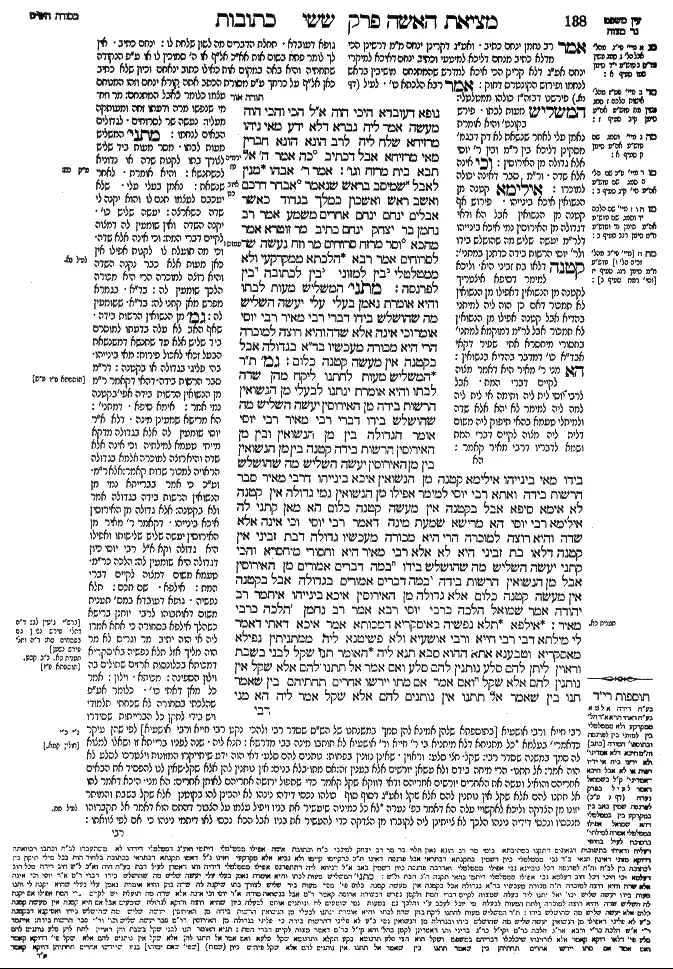
Ketubot 69b - Guemara
גופא דעובדא היכי הוה א"ל הכי והכי הוה מעשה אמר ליה גברא דלא ידע מאי ניהו מרזיחא שלח ליה לרב הונא הונא חברין מאי מרזיחא אבל דכתיב (ירמיהו טז, ה) כה אמר ה' אל תבא בית מרזח וגו':
אמר ר' אבהו מנין לאבל שמיסב בראש שנאמר (איוב כט, כה) אבחר דרכם ואשב ראש ואשכון כמלך בגדוד כאשר אבלים ינחם ינחם אחרים משמע אמר רב נחמן בר יצחק ינחם כתיב מר זוטרא אמר מהכא (עמוס ו, ז) וסר מרזח סרוחים מר וזח נעשה שר לסרוחים אמר רבא הלכתא ממקרקעי ולא ממטלטלי בין למזוני בין לכתובה בין לפרנסה:
מתני׳ המשליש מעות לבתו והיא אומרת נאמן בעלי עלי יעשה השליש מה שהושלש בידו דברי רבי מאיר רבי יוסי אומר וכי אינה אלא שדה והיא רוצה למוכרה הרי היא מכורה מעכשיו בד"א בגדולה אבל בקטנה אין מעשה קטנה כלום:
גמ׳ ת"ר המשליש מעות לחתנו ליקח מהן שדה לבתו והיא אומרת ינתנו לבעלי מן הנשואין הרשות בידה מן האירוסין יעשה השליש מה שהושלש בידו דברי רבי מאיר רבי יוסי אומר הגדולה בין מן הנשואין ובין מן האירוסין הרשות בידה קטנה בין מן הנשואין בין מן האירוסין יעשה השליש מה שהושלש בידו מאי בינייהו אילימא קטנה מן הנשואין איכא בינייהו דרבי מאיר סבר הרשות בידה ואתא רבי יוסי למימר אפילו מן הנשואין נמי גדולה אין קטנה לא אימא סיפא אבל בקטנה אין מעשה קטנה כלום הא מאן קתני לה אילימא רבי יוסי הא מרישא שמעת מינה דאמר רבי יוסי וכי אינה אלא שדה והיא רוצה למוכרה הרי היא מכורה מעכשיו גדולה דבת זביני אין קטנה דלאו בת זביני היא לא אלא רבי מאיר היא וחסורי מיחסרא והכי קתני יעשה השליש מה שהושלש בידו במה דברים אמורים מן האירוסין אבל מן הנשואין הרשות בידה במה דברים אמורים בגדולה אבל בקטנה אין מעשה קטנה כלום אלא גדולה מן האירוסין איכא בינייהו איתמר רב יהודה אמר שמואל הלכה כרבי יוסי רבא אמר רב נחמן הלכה כרבי מאיר:
אילפא תלא נפשיה באיסקריא דמכותא אמר איכא דאתי דאמר לי מילתא דבי רבי חייא ורבי אושעיא ולא פשיטנא ליה ממתניתין נפילא מאסקריא וטבענא אתא ההוא סבא תנא ליה האומר תנו שקל לבני בשבת וראוין ליתן להם סלע נותנין להם סלע ואם אמר אל תתנו להם אלא שקל אין נותנין להם אלא שקל ואם אמר אם מתו יירשו אחרים תחתיהם בין שאמר תנו בין שאמר אל תתנו אין נותנים להם אלא שקל אמר ליה הא מני
Comments from Rashi on Masechet Ketubot Page 69b
גופא דעובדא . תחלת הדברים מה לשון שלחת לו: ינחם כתיב . אין לך לומר פתח בשום אות אא"כ אל"ף או ה' סמוכין לו או ע"פ הנקודה שתחתיה והיא באה במקום אות כאילו כתוב ינאחם וכיון שלא כתיב כאן אל"ף על כרחך ע"פ מסורת הכתב אתה קורא ינחם וזהו המנוחם עצמו כלומר כאבל המתנחם: מר וזח . מי שנפשו מרה ודעתו זחה ומעותקה מעליו: נעשה שר לסרוחים . לגדולים הבאים לנחמו: מתני' המשליש מעות לבתו . מסר מעות ביד שליש לצורך בתו לקנות שדה או נדוניא לכשתנשא: והיא אומרת . לאחר שנשאת: נאמן בעלי עלי . שלא יעכבם לעצמו תנם לו והוא יקנה לי שדה כשארצה: יעשה שליש כו' . יקנה השדה ואין שומעין לה דמצוה לקיים דברי המת: וכי אינה אלא שדה . וכי מה תועלת לו לקנות אפילו אין כאן מעות אלא כבר נקנה השדה והיא רוצה למוכרה הרי היא מכורה הלכך שומעין לה: בד"א . בגמרא מפרש מאן קתני לה: בד"א . ששומעין לה: גמ' מן הנשואין הרשות בידה . שאף האב לא עלה בדעתו למוסרם ביד שליש אלא עד שתנשא דמשנשאת הבעל זכאי לאכול פירות: מאי בינייהו . בהי פליגי בגדולה או בקטנה: דר"מ סבר הרשות בידה . דהאי דקאמר ר"מ מן הנשואין הרשות בידה אפי' בקטנה נמי אמר: אימא סיפא . דמתני': הא מרישא שמעינן מינה . דלא א"ר יוסי שומעין לה אלא בגדולה מדקא מייתי טעמא למילתיה וכי אינה אלא שדה והיא רוצה למוכרה אלמא בגדולה הראויה למכור שדות קאמר: אלא ר"מ . וע"כ כי אמר בברייתא נמי מן הנשואין הרשות בידה בגדולה אמר ולא בקטנה: אלא גדולה מן האירוסין איכא בינייהו . דקאמר ר' מאיר מן האירוסין יעשה שליש שלישותו ואפילו היא גדולה וקא א"ל רבי יוסי כיון דגדולה היא שומעין לה: הלכה כר"מ . טעמא משום דמצוה לקיים דברי המת: אילפא . שם חכם: תלא נפשיה . גופא דעובדא במס' תענית משום דאותבוהו לרבי יוחנן ברישא כשהלך אילפא בסחורה כי אתא אמרו ליה אי הוה יתיב מר וגריס לא מר הוה מליך אזל תלא נפשיה באיסקריא דמכותא בכלונסות ארזים שתולים בה וילון הספינה: מכותא . וילון: אמר כל מאן דאתי כו' . כלומר אע"פ שהלכתי בסחורה לא שכחתי תלמודי ויש בידי לתקן כל הברייתות שסידרו רבי חייא ורבי אושעיא [בתוספתא שלהן אמינא להן סמך במשנתנו של הש"ס שסדר רבי ולהכי נקט רבי חייא ורבי אושעיא] לפי שהן עיקר כדאמרי' בעלמא כל מתניתא דלא מיתניא בי ר' חייא ור' אושעיא לא תותבו מינה בבי מדרשא: תנא ליה . שנה לפניו ברייתא זו ושאלו למצוא לה סמך במשנה שסדר רבי: שקל . חצי סלע: וראוין . שאינן נזונין בפחות: נותנים להם סלע . דאי הוה ידע שיתייקרו המזונות ויצטרכו לסלע לא הוה אמר: אל תתנו . הרי מיחה בידם ולא עשאן יורשים אלא בענין זה: אם מתו . בלא בנים: אין נותנין להן אלא שקל . שאין לנו להפסיד את הבאים אחריהם והואיל ועשה את האחרים יורשים אחריהם ודאי דווקא שקל קאמר כדי שתפול ירושה אחריהם לאותן אחרים: הא מני . היכא דאמר להו אל תתנו להם אלא שקל אין נותנין להם אלא שקל ואע"ג דסוף סוף כולהו נכסי דידהו נינהו לא יהבינן להו בקוטנן אלא שקל בשבת והמותר יזונו מן הצדקה וליכא לאקשויי עלה הא דאמר בפ' נערה לא כל כמיניה שיעשיר את בניו ויפיל עצמו על הצבור דהתם הוא דאמר אל תקברוהו מנכסיו ונכסי דידיה נינהו הלכך לא צייתינן ליה לקוברו מן הצדקה כדי להעשיר את בניו אבל הכא נכסי לאו דיתמי נינהו כי אם לפי צוואתו:
Comments from Tosafot - Ketubot 69b
אמר רב נחמן ינחם כתיב . ואע"ג דקרינן ינחם מ"מ דרשינן הכי מדלא כתיב מנחם דליכא למיטעי וכתיב ינחם דאיכא למיקרי ינחם אע"ג דלא קרינן הכי איכא למדרש שהמתנחם מושיבין בראש לנחמו ופירוש הקונטרס דחוק: אמר רבא הלכתא כו' . לעיל (כתובות דף נא.) פירשנו דבזה"ז כולהו ממטלטלי: המשליש מעות לבתו . פירש בקונט' והיא אומרת נאמן עלי לאחר שנשאת לא דק דבגמ' מסקינן דליכא בין ר"מ ובין ר' יוסי אלא גדולה מן האירוסין: אילימא קטנה מן הנשואין איכא בינייהו . פירוש אף קטנה מן הנשואין אבל הא ודאי דגדולה מן האירוסין נמי איכא בינייהו דלר"מ יעשה שליש מה שהושלש בידו ולר' יוסי הרשות בידה כדתנן במתני': קטנה דלאו בת זביני היא . וליכא למימר דסיפא איצטריך לקטנה מן הנשואין דאפילו מן הנשואין לא תמכור דאם כן הוה ליה למיתני בהדיא אבל קטנה אפילו מן הנשואין לא תמכור אבל לר"מ דמוקמא למתני' בחסורי מיחסרא אתי שפיר דקאי אבד"א כו' דמדבר בהדיא בנשואין: הא מני ר' מאיר היא דאמר מצוה לקיים דברי המת . אבל לרבי יוסי לית ליה ותימה אי לית ליה למה ליה למימר לא יהא אלא שדה ולמיתלי טעמא בהאי תיפוק ליה משום דלית ליה מצוה לקיים דברי המת ושמא לדבריו דרבי מאיר קאמר:
Ketubot 69b - Mishnah translated into english
how the incident itself happened. What are the particulars of your exchange that brought about this end result? He said to him: Such and such was the incident, and Rav Anan related the details to Mar Ukva. He said to him: A man who does not know what a marzeiḥa is sends a letter to Rav Huna addressing him as Huna, our friend? It is not your place to take such liberties in your correspondence with him, and Rav Huna was justifiably offended. The Gemara explains: What is a marzeiḥa? A mourner, as it is written: “For so says the Lord: Enter not into the house of mourning [marze’aḥ], neither go to lament, neither bemoan them” (Jeremiah 16:5).
Rabbi Abbahu said concerning the same topic: From where is it derived that a mourner sits at the head? As it is stated: “I chose out their way, and sat as chief, and dwelt as a king in the army, as one that would comfort [yenaḥem] the mourners” (Job 29:25). The Gemara challenges the proof: The word yenaḥem implies one comforting others and not the mourner being comforted. Rav Naḥman bar Yitzḥak said: Since it is written without vowels, the word can be read as if it were written “would be comforted [yinnaḥem],” which describes the mourner who is being comforted.
Mar Zutra said: That the mourner sits at the head may be derived from here: “And the revelry [mirzaḥ] of those who stretched themselves shall pass away [sar]” (Amos 6:7). The word mirzaḥ may alternatively be read as two distinct words: Bitter [mar] and flustered [zaḥ], and the word sar has a homonym that means ruler. Read this way, the verse indicates: One who is bitter and flustered, i.e., the mourner, is made the ruler of those who sit, i.e., the visitors who come to comfort him and sit with him. Therefore, he sits at the head.
The Gemara reports the conclusion of the earlier discussion: Rava said: The halakha is that one may collect from the inheritors from real estate and not from movable property, whether for sustenance, whether for the marriage contract, or whether for support, referring to the dowry.
MISHNA: With regard to one who transfers money by means of a third party for his daughter to purchase a field after she marries, is the daughter allowed to assert control over the money? If she says after she marries: My husband is trustworthy for me, so give him the money to buy the property for me, her wishes are not honored. The third party should execute the agency that was entrusted in his power; this is the statement of Rabbi Meir. Rabbi Yosei says: The daughter has authority: And were it only a field and she wanted to sell it, it could be sold immediately. Just as she would have authority to control the field, she may control the money assigned for her. The mishna qualifies: In what case is this statement said? With respect to an adult woman. But with respect to a minor girl, any action of a minor girl is nothing from a legal standpoint; a minor would have no authority in this matter.
GEMARA: The Sages taught in the Tosefta (6:9): In the case of one who transfers money by means of a third party for his son-in-law, in order to purchase with it a field for his daughter, and she says: Let the money be given directly to my husband to invest as he sees fit, whether or not the court heeds her depends upon the circumstances. If she makes her appeal from the beginning of the marriage and onward, she has the authority to dictate the terms. If she makes her appeal from the time of the betrothal until the marriage, the third party should execute the agency that was entrusted in his power; this is the statement of Rabbi Meir. Rabbi Yosei says: With respect to the adult woman, whether the statement is from the marriage or from the betrothal, she has authority. In the case of a minor girl, whether from the time of the marriage or from the betrothal, the third party should execute the agency that was entrusted in his power.
The Gemara clarifies: In the dispute between Rabbi Meir and Rabbi Yosei, what is the practical difference between them? If we say: The practical difference between them pertains to the authority of a minor girl from the time of the marriage and onward, as Rabbi Meir holds she has authority, and Rabbi Yosei comes to say that also, even from the time of the marriage, yes, an adult woman may dictate terms, but a minor girl may not, this answer is untenable.
The Gemara explains: Say the latter clause of the mishna: But with respect to a minor girl, any action of a minor girl is nothing. But who teaches this? If we say it is Rabbi Yosei, but you already learn this principle from the first clause, as Rabbi Yosei said: And were it only a field and she wanted to sell it, it could be sold immediately. This is true of adults: In the case of an adult woman, who is capable of selling, yes, her sale is valid. However, in the case a minor girl, who is not capable of selling, no, her sale is invalid.
Rather, the latter clause is the opinion of Rabbi Meir. And the mishna is incomplete and this is what it is teaching: The third party should execute the agency that was entrusted in his power. In what case is this statement said? From the betrothal. However, from the marriage she has the authority to dictate terms. In what case is this statement said? For an adult woman. However, for a minor girl, any action of a minor girl is nothing. Rabbi Meir agrees that a minor does not have the authority to transfer the money to her husband. What, then, is the practical difference between them? Rather, the practical difference between them is with regard to an adult woman from the time of betrothal until the marriage. Rabbi Meir holds that before marriage, she does not have the authority, and Rabbi Yosei holds that she does.
It was stated that the matter was debated by amora’im: Rav Yehuda said that Shmuel said: The halakha is in accordance with the opinion of Rabbi Yosei. Rava said that Rav Naḥman said: The halakha is in accordance with the opinion of Rabbi Meir.
§ Once, it was decided to appoint Rabbi Yoḥanan to be head of the yeshiva over another candidate, the Sage Ilfa, because the latter was not in the vicinity. Suspecting that some would interpret this appointment as a sign that he was less qualified than Rabbi Yoḥanan, Ilfa suspended himself from the mast [iskarya] of a ship [makhuta]. He said: If there is someone who comes, who tells me a matter taught in a baraita of the school of Rabbi Ḥiyya and Rabbi Oshaya, and I do not resolve it and demonstrate that the same teaching can be derived from a mishna, I will fall from the mast and drown.
A certain older man came and taught before him (Tosefta 6:10): With regard to one who says upon his deathbed: Give a shekel to my sons for each week, the court assesses the sons’ needs. And if it is appropriate that the court gives them a sela, which is worth two shekels, the court gives them a sela. Had the father known they would need the additional money, he would not have begrudged them. But if he said: Give them only a shekel, the court gives them only a shekel. Because their father spoke explicitly, there is no room to question his intentions. If they need more, they should take charitable aid. And if he said: If they die without inheritors, others should inherit in their stead, then whether he said: Give a shekel or whether he said: Don’t give more than a shekel, the court gives them only a shekel, since it is clear that he wants the inheritance to be doled out in such a way that it will remain intact for whoever will receive it. The older man asked Ilfa where this halakha is indicated in the Mishna.
Ilfa said to him: In accordance with whose opinion is this baraita?
Traduction : The William Davidson digital edition of the Koren Noé Talmud, with commentary by Rabbi Adin Even-Israel Steinsaltz.