 Talmud Bavli
The learning on the whole site is dedicated : L'ilui Nishmat Chemouel Eliezer ben Batcheva
The learning on the whole site is dedicated : For the success of Elyahou ben H'anna & family
The learning on the whole site is dedicated : L'ilui Nishmat Jacques Isaac Ben Amram Loubaton
Zevahim 61b : Youtube
Daf TubeYoutube
2 video classes :
Zevahim Page 61b
Zevahim 61b - Guemara
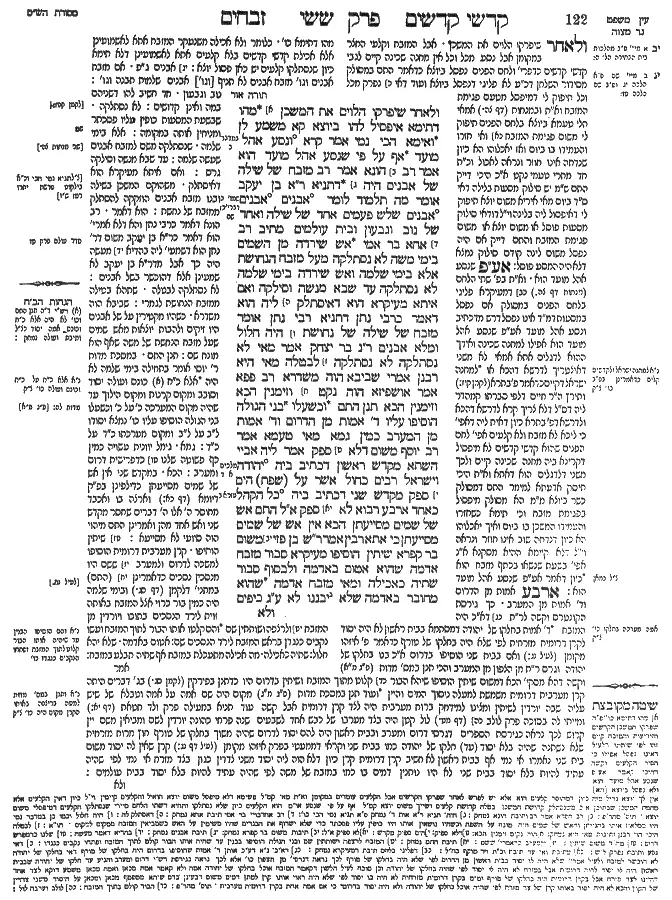
ולאחר שיפרקו הלוים את המשכן מהו דתימא איפסיל להו ביוצא קא משמע לן ואימא הכי נמי אמר קרא (במדבר ב, יז) ונסע אהל מועד אף על פי שנסע אהל מועד הוא אמר רב הונא אמר רב מזבח של שילה של אבנים היה דתניא ר"א בן יעקב אומר מה תלמוד לומר (שמות כ, כא) אבנים (דברים כז, ב) אבנים (דברים כז, ב) אבנים שלש פעמים אחד של שילה ואחד של נוב וגבעון ובית עולמים מתיב רב אחא בר אמי אש שירדה מן השמים בימי משה לא נסתלקה מעל מזבח הנחושת אלא בימי שלמה ואש שירדה בימי שלמה לא נסתלקה עד שבא מנשה וסילקה ואם איתא מעיקרא הוא דאיסתלק ליה הוא דאמר כרבי נתן דתניא רבי נתן אומר מזבח של שילה של נחושת היה חלול ומלא אבנים ר"נ בר יצחק אמר מאי לא נסתלקה לא נסתלקה לבטלה מאי היא רבנן אמרי שביבא הוה משדרא רב פפא אמר אושפיזא הוה נקט וזימנין הכא וזימנין הכא תנן התם וכשעלו בני הגולה הוסיפו עליו ד' אמות מן הדרום וד' אמות מן המערב כמין גמא מאי טעמא אמר רב יוסף משום דלא ספק אמר ליה אביי השתא מקדש ראשון דכתיב ביה (מלכים א ד, כ) יהודה וישראל רבים כחול אשר על (שפת) הים ספק מקדש שני דכתיב ביה (עזרא ב, סד) כל הקהל כאחד ארבע רבוא לא ספק א"ל התם אש של שמים מסייעתן הכא אין אש של שמים מסייעתן כי אתא רבין אמר ר"ש בן פזי משום בר קפרא שיתין הוסיפו מעיקרא סבור מזבח אדמה שהוא אטום באדמה ולבסוף סבור שתיה כאכילה ומאי מזבח אדמה שהוא מחובר באדמה שלא יבננו לא ע"ג כיפים
Comments from Rashi on Masechet Zevahim Page 61b
מהו דתימא כו' . כלומר ולא אכילה משנעקר המזבח אתא לאשמועינן אלא אכילת קדשי קדשים בלא קלעים אתא לאשמועינן דלא תימא כיון שנסתלקו קלעים יש כאן פסול יוצא: אבנים ג"פ . אם מזבח אבנים וגו' מזבח אבנים לא תניף [וגו'] אבנים שלמות תבנה וגו': נוב וגבעון . חד חשיב להו דשניהם במה ואינן קדושים: לא נסתלקה . שבשעת המסעות כופין עליו פסכתר ומניחין אותה במקומה: אלא בימי שלמה . שנסתלקה משם למזבח אבנים שעשה שלמה: עד שבא מנשה וסילקה גרס: ואם איתא מעיקרא הוא דאיסתלק . משהוקם המשכן בשילה ובנו מזבח אבנים הוזקקה להסתלק ממזבח של נחשת: הוא דאמר . רב הונא דאמר כרבי נתן והא דלא אמרי' הוא דאמר כר"א בן יעקב משום דר' נתן הוא דשמעי' ליה בהדיא מעשה היה כך אבל מדר"א בן יעקב לא שמעינן אלא דהוכשר בשל אבנים: לא נסתלקה לבטלה . שתהא בטילה ממזבח הנחושת לגמרי: שביבא הוה משדרא . כשהיו מקטירין על של אבנים היו זיקים ולהבות יוצאות מאש שמים שעל מזבח הנחשת של משה שאף הוא מונח שם: תנן התם . במסכת מדות ר' יוסי אומר בתחילה בימי שלמה לא היה אלא כ"ח כונס ועולה יסוד וסובב ומקום קרנות ומקום הילוך עד שהיה מקום המערכה כ' על כ' וכשעלו בני הגולה הוסיפו עליו כו' נמצא יסודו ל"ב על ל"ב ומקום מערכתו כ"ד על כ"ד: גמא . גימל יוונית עשויה כמין כף פשוטה שלנו כדפרישית דרום ומערב: הכא . במקדש שני אין אש של שמים מסייעתן כדילפינן בפ"ק דיומא (דף כא:) וארצה בו ואכבד מחוסר ה' אלו ה' דברים שחסר מקדש שני ואש אחד מהן ואמרינן התם מיהוי הוה סיועי לא מסייעא: שיתין הוסיפו . קרן מערבית דרומית הוסיפו למשכה לדרום ולמערב ששם היו מנסכין נסכים כדאמרינן (התם) במתני' דלקמן (זבחים דף סג.) ובימי שלמה היה כמין בור כרוי אצל המזבח באותה זוית לירד הנסכים בתוכו ויורדין מן המזבח ולרצפה ושותתין שם והם קלטו אותו הבור לתוך המזבח ועשו נקבים כנגדן בראש המזבח לירד הנסכים שם: אטום באדמה . שלא יהא חלול: שתיה כאכילה . מה אכילה מתעכלת במזבח אף שתיה תבלע במזבח:
Comments from Tosafot - Zevahim 61b
ולאחר שיפרקו הלוים את המשכן . אבל המזבח וקלעי החצר במקומן אבל נסע מכל וכל אין מחנה שכינה קיים לגבי קדשי קדשים כדפרי' ולחם הפנים נפסל ביוצא כדאמר התם במסולק מסידור השלחן דכ"ע לא פליגי דנפסל ביוצא ועוד דאי נפרק מכל וכל תיפוק לי דמיפסל מטעם פגימת המזבח וא"ת ובמנחות (דף צה.) אמאי תלי טעמא ביוצא בלחם הפנים תיפוק לי משום פגימת המזבח ואי חזר והעמידו בו ביום ואז יאכלוהו הא כיו שנדחה אינו חוזר ונראה לאכול וכ"ת חד מתרי טעמי נקט א"כ היכי דייק התם ש"מ יש סילוק מסעות בלילה דאי ס"ד ביום מאי איריא משום יוצא תיפוק לי דאיפסול ליה בלינה וי"ל דודאי סילוק מסעות פוסל או משום יוצא או משום פגימת המזבח והתם דייק אם היה נפסל משום לינה קודם סילוק נמצא דלא היה המסע פוסל: אע"פ שנסע אהל מועד הוא . וא"ת בפ' שתי הלחם (מנחות דף צה.) דמעיקרא פליגי בלחם הפנים במסולק אם נפסל במסעות דמ"ד אינו נפסל דרש מדכתיב ונסע אהל מועד אע"פ שנסע אהל מועד הוא אפילו למחנה שכינה ואידך ההוא לדגלים אתא אמאי לא משני דאיצטריך לדרשא דהכא או. למחנה ישראל דקיים כדאמר פ' בתרא (לקמן זבחים קיז:) ותירץ ה"ר חיים דלפי סברתו קמהדר ליה דס"ל דלא צריך קרא לדרשא דהכא ולדרשא דפ' בתרא כיון דאית ליה דאפי' כי ליכא לא מזבח ולא קלעים אפי' לחם הפנים שהוא קדשי קדשים לא מיפסיל דקרינא ביה מחנה שכינה קיים ולכך משני דלדגלים הוא דאתא וא"ת היכי תיסק אדעתא למימר התם דמסולק כשר ביוצא מ"מ הא מסולק מיפסיל בפגימת מזבח וכי תימא כשחזרו והעמידו המשכן בו ביום ואיך יאכלוהו הא כיון דנדחה שוב אינו חוזר ונראה וי"לע דלא קיימא ההיא מסקנא א"נ אפי' בשעת שנשאו בכתף מזבח הוא כיון דאמר אע"פ שנסע אהל מועד הוא: ארבע אמות מן הדרום וד' אמות מן המערב . כך גירסת הקונטרס וקשה לר"ת דא"כ היה המזבח ד' אמות בחלקו של יהודה דמסתמא בבית ראשון לא היה יסוד לקרן דרומית מזרחית לפי שלא היה בחלקו של טורף כדאמר פ' איזהו מקומן (לעיל זבחים נג:) ואם בבית שני הוסיפו בדרום א"כ בנו בחלקו של יהודה וגרס ר"ת מן הצפון מן המערב והכי תנן במס' מדות (פ"ג מ"א) וקשה דהא מסקי' הכא דמשום שיתין הוסיפו שיהא הבור קלוט מתוך המזבח ושיתין בדרום היו כדתנן בפירקין (לקמן זבחים כג.) בג' דברים היתה קרן מערבית דרומית משמשת למעלה ניסוך המים והיין ועוד תנן במסכת מדות (פ"ג מ"ג) מקום היה שם אמה על אמה וטבלא של שיש עליה שבה יורדין לשיתין ומצינו למידחק ברוח מערבית היה לצד קרן דרומית אבל קשה עוד תניא במעילה פרק ולד חטאת (דף יא:) ומייתי לה בסוכה פרק לולב (דף מט.) לול קטן היה בצד מערבו של רבש אחד לשבעים שנה פרחי כהונה יורדין לשם ומביאין משם יין קרוש לכך נראה כגירסת הספרים דגרסי דרום ומערב ובבית ראשון היה להם יסוד לדרום שהיה משוך בחלקו של טורף חוץ מרוח מזרחית שלא נשתנה שהיה בלא יסוד (עד) חלקו של יהודה כמו בבית שני וקראי דממעטי בפרק איזהו מקומן (לעיל זבחים דף ע:) קרן. שאין לה יסוד משום בית שני נאמרו אי נמי אף בבית ראשון לא חשיב קרן דרומית קרן כיון דלא הוה ליה יסוד משני צדדין כגון בצד מזרח אי נמי לפי שהיה עתיד להיות בלא יסוד בבית שני לא היו נותנין דמים בו כמו במזבח של משה לפי שהיה עתיד להיות בלא יסוד בבית עולמים:
Zevahim 61b - Mishnah translated into english
and, when they are leaving the camp, after the Levites dismantle the Tabernacle but before they remove the altar. Since the altar has not yet been moved, it is still permitted to consume the sacrificial food.
The Gemara continues: It was necessary to state this halakha lest you say that once the partitions surrounding the courtyard have been taken down, the sacrificial food has been disqualified because it is considered to have left the courtyard of the Tabernacle. Therefore, the baraita teaches us that the food is permitted for consumption as long as the altar remains in place.
The Gemara challenges: And say it is indeed so, that the sacrificial food should be disqualified because it is no longer within the partitions surrounding the courtyard. The Gemara explains: The verse states: “Then the Tent of Meeting shall travel” (Numbers 2:17). This verse indicates that even though it traveled it is still considered the Tent of Meeting. Therefore, the sacrificial food is not considered to have left its designated area.
§ The Gemara raises another discussion concerning the altar: Rav Huna says that Rav says: The altar in Shiloh was fashioned of stones, unlike the portable altar constructed in the time of Moses, which was fashioned from copper. This is as it is taught in a baraita: Rabbi Eliezer ben Yaakov says: Why must the verses state that the altar must be fashioned from stones (Exodus 20:22), and state again that the altar must be fashioned from stones (Deuteronomy 27:5), and mention yet again the word stones (Deuteronomy 27:6), with regard to the altar, for a total of three times? These allude to three different stone altars: One in Shiloh, and one in Nov and Gibeon, and one in the Eternal House, i.e., the Temple.
Rav Aḥa bar Ami raises an objection based on a baraita: The fire that descended from Heaven upon the altar in the days of Moses (see Leviticus 9:24) departed from atop the copper altar only in the days of Solomon, when he replaced the copper altar with a stone altar, and the fire that descended upon the altar in the days of Solomon did not depart until Manasseh came and removed it by destroying the altar. And if it is so that the altar in Shiloh was fashioned of stones, it emerges that the fire departed the copper altar earlier, when the stone altar in Shiloh replaced the copper altar of Moses, many years before King Solomon.
The Gemara explains: Rav Huna stated his opinion in accordance with the statement of Rabbi Natan, as it is taught in a baraita that Rabbi Natan says: The altar in Shiloh was fashioned of copper; it was hollow and full of stones.
Rav Naḥman bar Yitzḥak says there is an alternative answer: What is the meaning of the statement in the baraita that the fire did not depart until the days of Solomon? It means that it did not depart in a manner in which it was nullified; it was still somewhat present in Shiloh on the copper altar, which stood together with the stone altar. The Gemara asks: What is it, i.e., what does it mean that the fire did not depart in a manner in which it was nullified? The Gemara answers: The Rabbis say: The fire on the copper altar would emit sparks toward the stone altar when the priests would sacrifice offerings on the stone altar. Rav Pappa says: The fire was as a guest; sometimes it was here, on the copper altar, and sometimes it was there, on the stone altar.
§ The Gemara continues discussing the altar: We learned in a mishna there (Middot 35b): The altar in the First Temple was twenty-eight by twenty-eight cubits. When the members of the exile ascended to Jerusalem in the beginning of the Second Temple period, they added four cubits to it on the south and four cubits on the west sides of the altar, like the shape of the Greek letter gamma, i.e., the additions made a right angle. As a result, the altar in the Second Temple was thirty-two by thirty-two cubits. The Gemara asks: What was the reason for this expansion? Rav Yosef said: Because the size of the altar from the First Temple was not sufficient.
Abaye said to him: Now, if in the First Temple era, about which it is written: “Judah and Israel were many as the sand that is by the sea” (I Kings 4:20), the altar was sufficient, how could it be that in the Second Temple era, about which it is written: “The whole congregation together was forty and two thousand three hundred and sixty” (Ezra 2:64), the altar was not sufficient? Rav Yosef said to Abaye: There, in the First Temple, a heavenly fire would assist them and consume the offerings. Here, in the Second Temple, there was no heavenly fire that would assist them. Therefore, they needed a larger area in which to burn the offerings.
When Ravin came from Eretz Yisrael to Babylonia, he reported that which Rabbi Shimon ben Pazi says in the name of Bar Kappara with regard to the expansion of the altar: They expanded the altar to extend over the underground cavities into which the libations flowed. Initially, in the First Temple era, they held that when the verse states: “An altar of earth you shall make for Me” (Exodus 20:21), it means that it should be completely filled with earth.
But ultimately, in the Second Temple era, they maintained that the altar’s drinking is like its eating, i.e., just as the offerings are burned upon the altar, so too, the libations must be poured onto the altar itself and not down its side. Consequently, they expanded the altar to cover the underground cavities, and created holes in the altar so that the libations could be poured on top of the altar and flow into the underground cavities. And according to this, what is the meaning of the phrase “an altar of earth”? It teaches that the altar must be attached to the earth, so that one may not build it on top of arches
Traduction : The William Davidson digital edition of the Koren Noé Talmud, with commentary by Rabbi Adin Even-Israel Steinsaltz.