 Talmud Bavli
The learning on the whole site is dedicated : L'ilui Nishmat Amram ben Itshak Loubaton
The learning on the whole site is dedicated : L'ilui Nishmat Avraham Ben Simha
The learning on the whole site is dedicated : L'ilui Nishmat Rav Chlomo Ben Jamilla
Shevu'ot 12a : Youtube
Daf TubeYoutube
2 video classes :
Shevu'ot Page 12a
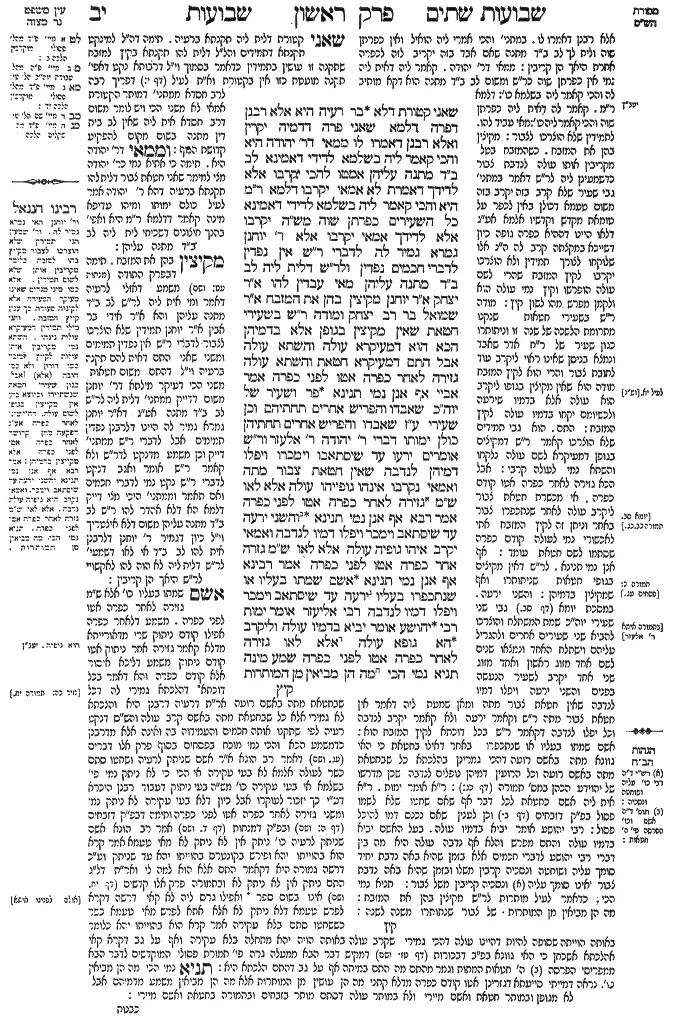
Shevu'ot 12a - Guemara
שאני קטורת דלא בר רעיה היא אלא רבנן דפרה דלמא שאני פרה דדמיה יקרין ואלא רבנן דאמרו לו ממאי דר' יהודה היא והכי קאמר ליה בשלמא לדידי דאמינא לב ב"ד מתנה עליהן אמטו להכי יקרבו אלא לדידך דאמרת לא אמאי יקרבו דלמא ר"מ היא והכי קאמר ליה בשלמא לדידי דאמינא כל השעירים כפרתן שוה מש"ה יקרבו אלא לדידך אמאי יקרבו אלא ר' יוחנן גמרא גמיר לה לדברי ר"ש אין נפדין לדברי חכמים נפדין ולר"ש דלית ליה לב ב"ד מתנה עליהן מאי עבדין להו א"ר יצחק א"ר יוחנן מקיצין בהן את המזבח א"ר שמואל בר רב יצחק ומודה ר"ש בשעירי חטאת שאין מקיצין בגופן אלא בדמיהן הכא הוא דמעיקרא עולה והשתא עולה אבל התם דמעיקרא חטאת והשתא עולה גזירה לאחר כפרה אטו לפני כפרה אמר אביי אף אנן נמי תנינא פר ושעיר של יוה"כ שאבדו והפריש אחרים תחתיהם וכן שעירי ע"ז שאבדו והפריש אחרים תחתיהן כולן ימותו דברי ר' יהודה ר' אלעזר ור"ש אומרים ירעו עד שיסתאבו וימכרו ויפלו דמיהן לנדבה שאין חטאת צבור מתה ואמאי נקרבו אינהו גופייהו עולה אלא לאו ש"מ גזירה לאחר כפרה אטו לפני כפרה אמר רבא אף אנן נמי תנינא והשני ירעה עד שיסתאב וימכר ויפלו דמיו לנדבה ואמאי יקרב איהו גופיה עולה אלא לאו ש"מ גזרה אחר כפרה אטו לפני כפרה אמר רבינא אף אנן נמי תנינא אשם שמתו בעליו או שנתכפרו בעליו ירעה עד שיסתאב וימכר ויפלו דמיו לנדבה רבי אליעזר אומר ימות רבי יהושע אומר יביא בדמיו עולה וליקרב הא גופא עולה אלא לאו גזירה לאחר כפרה אטו לפני כפרה שמע מינה תניא נמי הכי מה הן מביאין מן המותרות
Comments from Rashi on Masechet Shevu'ot Page 12a
דלית תקנתא ברעייה . הלכך מתנו עלה אבל תמידין דאית להו תקנתא ברעייה ולכשימותו יפדם לא קיימי בית דין ומתנו: אלא רבנן דאמרו לו . במתני' והכי אמרי ליה הואיל ואין כפרתן שוה ולית לך לב ב"ד מתנה שאם אבד בזה יקריב לזה לכפרה אחרת היאך הן קריבין: ממאי דר' יהודה . קאמר ליה דאית ליה נמי אין כפרתן שוה כר"ש ומשום לב ב"ד מתנה הוא דקא מותיב לה והכי קאמר ליה בשלמא כו': דלמא ר"מ . קאמר לה דאית ליה כפרתן שוה והכי קאמר ליה כו': מאי עביד להו . לתמידין שלא הוצרכו לצבור: מקיצין בהן את המזבח . כשהמזבח בטל מקריבין אותו עולה לנדבת צבור כדשמעינן ליה לר"ש דאמר במתני' גבי שעיר שלא קרב בזה יקרב בזה משום טעמא דכולן באין לכפר על טומאת מקדש וקדשיו אלמא אע"ג דלאו היינו דההיא כפרה גופה כיון דשייכא במקצתה קרב לה ה"נ אלו שלוקחו לצורך תמידין ולא הוצרכו יקרבו לקיץ המזבח שהרי לשם עולה הופרשו וקיץ נמי עולה הוא ולקמן מפרש מהו לשון קיץ: מודה ר"ש בשעירי חטאות . שנקנו מתרומת הלשכה של שנה זו וניתותרו כגון שעיר של ר"ח אדר שאבד ונמצא בניסן שאינו ראוי ליקרב עוד לחובת צבור והרי הוא לקיץ המזבח מודה הוא שאין מקיצין בגופו ליקרב הוא עולה אלא בדמיו שירעה ולכשיומם יקחו בדמיו עולה לקיץ המזבח: התם . הוא גבי תמידים שלא הוצרכו קאמר ר"ש דמקיצים בגופן דמעיקרא לשם עולה נלקחו והשתא נמי לעולה קרבי: אבל הכא גזירה לאחר כפרה אטו קודם כפרה . אי מכשרת חטאת צבור ליקרב עולה לאחר שנתכפרו צבור באחר וניתן זה לקיץ המזבח אתי לאכשורי נמי לעולה קודם כפרה שסתמו לשם חטאת עומד: אף אנן נמי תנינא . לר"ש דאין מקיצים בגופי חטאות שניתותרו ואף שמקיצין בדמיהן: והשני ירעה . במסכת יומא (דף סב.) גבי שני שעירי יוה"כ שמת המשתלח והוצרכו להביא שני שעירים אחרים ולהגריל עליהם וישתלח האחד ונמצאו שנים לשם אחד מזוג ראשון ואחד מזוג שני אחד יקרב לשעיר הנעשה בפנים והשני ירעה ויפלו דמיו לנדבה שאין חטאת צבור מתה ומאן שמעת ליה דאמר אין חטאת צבור מתה ר"ש וקאמר ירעה ולא קאמר יקרב לנדבה וכל יפלו לנדבה דקאמר ר"ש בכל דוכתא לקיץ המזבח הוא: אשם שמתו בעליו או שנתכפרו . באחר דאילו בחטאת כי האי גוונא מתה באשם רועה דהכי גמרינן בהלכתא כל שבחטאת מתה באשם רועה וכל הרועין דמיהן נופלים לנדבה שכן מדרשו של יהוידע הכהן במס' תמורה (דף כג:): ר"א אומר ימות . ר"א אית ליה אשם כחטאת לכל דבר אף שאם שחטו שלא לשמו פסול בפ"ק דזבחים (דף ב.) וכן לענין שאם נכנס דמו להיכל פסול: רבי יהושע אומר יביא בדמיו עולה . בעל האשם יביא בדמיו עולה והתם מפרש והלא אף נדבה עולה היא מה בין דברי רבי יהושע לדברי חכמים אלא בזמן שהיא באה נדבת יחיד סומך עליה ושוחטה ונסכיה קרבין משלו ובזמן שהיא באה נדבת צבור אינו סומך עליה ונסכיה קריבין משל צבור: תניא נמי הכי . כדאמר לעיל מותרות לר"ש מקיצין בהן את המזבח: מה הן מביאין מן המותרות . של צבור שנתותרו משנה לשנה:
Comments from Tosafot - Shevu'ot 12a
שאני קטורת דלית ליה תקנתא ברעיה. תימה דה"ל למינקט תקנתא דתמידים והל"ל דלית להו תקנתא בקיץ למזבח שתקנה זו עושין בתמידין כדאמר בסמוך וי"ל דרבותא נקט דאפי' תקנה מועטת כזו אין בקטורת וא"ת לעיל (שבועות דף י:) דפריך רבה לרב חסדא ממתני' דמותר הקטורת אמאי לא משני הכי ויש לומר משום דרב חסדא אית ליה שאין לב בית דין מתנה בשום מקום להפקיע קדושת הגוף: וממאי דר' יהודה היא. תימה כי אתיא נמי כר' יהודה מצי למימר שאני חטאת צבור דלית להו תקנתא ברעיה דהא ר' יהודה אמר לעיל כולם ימותו ומיהו עדיפא מינה קאמר דדלמא ר"מ היא ואפי' בהנך חיצונים דשכיחי לית ליה לב ב"ד מתנה עליהן: מקיצין בהן את המזבח. תימה דבפרק התודה (מנחות עט: ושם) משמע דאזלי לרעיה דאמר ומי אית ליה לר"ש לב ב"ד מתנה עליהן והא א"ר אידי בר אבין א"ר יוחנן תמידין שלא הוצרכו לצבור לדברי ר"ש אין נפדין תמימים ומשני שאני התם דאית להם תקנה ברעיה וי"ל דהתם משום חטאות משני הכי דעיקר מילתא דר' יוחנן משום דדייק ממתני' דלית ליה לר"ש לב ב"ד מתנה אע"ג דא"ר יוחנן גמרא גמיר לה היינו דלרבנן נפדין תמימים אבל לדברי ר"ש ממתני' דייק וכן משמע מדנקט לדר"ש ולא קאמר ר"ש אומר ואגב דנקט לדברי ר"ש נקט נמי לדברי חכמים ואם תאמר וממתני' היכי מצי דייק דלמא הא דלא אהדר להו ר"ש לב ב"ד מתנה עליהן משום דלא איצטריך וי"ל כיון דגמיר ר' יוחנן דלרבנן אית להו לב ב"ד אי לאו דשמעי' לר"ש דלית ליה לא הוה להו לאקשויי לר"ש היאך הן קריבין: אשם שמתו בעליו כו' אלא ש"מ גזירה לאחר כפרה אטו לפני כפרה. משמע דלאחר כפרה אפילו קודם ניתוק שרי מדאורייתא מדלא קאמר גזירה אחר ניתוק אטו קודם ניתוק משמע דליכא איסור אלא קודם כפרה והא דאמר בכל דוכתא. דהלכתא גמירי לה דכל שבחטאת מתה באשם רועה אר"ת דרעיה דרבנן היא והלכתא לא גמירי אלא כל שבחטאת מתה באשם קרב עולה והש"ס דנקט רעיה לפי שתקנו אותה חכמים והעמידוה בה ואינה אלא מדרבנן כדמשמע הכא והכי נמי מוכח בפסחים בסוף פרק אלו דברים (עג. ושם) דאמר רב הונא א"ר אשם שניתק לרעיה ושחטו סתם כשר לעולה אלמא לא בעי עקירה אי הכי כי לא ניתק נמי פי' בשלמא אי בעי עקירה כו' מש"ה בעי ניתוק דעבוד רבנן היכרא דע"י כך יזכור לעוקרו אבל כיון דלא בעי עקירה לא ניתק נמי ומשני גזירה לאחר כפרה אטו לפני כפרה ותימה דבפ"ק דזבחים (דף ה: ושם) ובפ"ק דמנחות (דף ד. ושם) אמר רב הונא אשם שניתק לרעיה כו' ניתק אין לא ניתק לא מאי טעמא אמר קרא הוא בהוייתו יהא ופירש בקונטרס בהוייתו יהא עד שניתק וע"כ דרשה גמורה היא דקאמר התם אלא הוא למה לי ואר"ת דל"ג התם ניתק אין לא ניתק לא ובתמורה פרק אלו קדשים (דף יח ושם) אינו בשום ספר ואפילו גרס ליה לא קאי דרשה דקרא לפרש טעמא דלא ניתק לא אלא אתא לפרש מאי טעמא כשר כששחטו סתם בלא עקירה אמר קרא הוא בהוייתו יהא כלומר באותה הוייתה שסופה להיות דהיינו עולה דהכי גמירי שקרב עולה באותה הויה יהא מתחלה בלא עקירה ואף על גב דקרא קאי . אהלכתא אשכחן כי האי גוונא בפ"ב דבכורות (דף טז. ושם) דמקיש דבר הבא ממעלה גרה פי' תמורת פסולי המוקדשים לדבר הבא ממפריסי הפרסה ה' חטאות המתות וגמר מהתם מה התם במיתה אף על גב דהתם הלכתא היא: תניא נמי הכי מה הן מביאין כו'. נראה דמייתי סייעתא דגזרינן אטו קודם כפרה מדלא קתני מה הן עושין מן המותרות אלא מה הן מביאין משמע מדמיהם אבל לא מגופן ובמותר חטאת ואשם מיירי ולא במותר עולה דסתם מותר בזבחים ובתמורה בחטאת ואשם מיירי:
Shevu'ot 12a - Mishnah translated into english
no proof can be drawn from there, as incense is different, as it is not an entity that can be left to graze. The option that exists for animals to leave them to graze until they develop a blemish and then redeem them obviously cannot apply to incense. Therefore, it is reasonable that with regard to incense, since there is no other way to rectify it, all will concede that the court makes a stipulation.
Rather, say it is the opinion of the Sages who ruled, in the baraita cited above, with regard to the red heifer that it may be redeemed if a choicer one is found. The Gemara rejects this claim: Perhaps the case of a red heifer is different, since it is of great monetary value. To avoid a considerable loss, the court makes a stipulation despite it being an uncommon case.
Rather, say it is the opinion of the Sages that is introduced with the phrase: They said to him, in the mishna on 2b.
The Gemara asks: From where do you know that the tanna referred to as the Rabbis is Rabbi Yehuda and that this is what he is saying to Rabbi Shimon: Granted, according to my opinion, that I say that the court tacitly stipulates concerning offerings that their consecration is contingent upon their eventual use, it is due to this reason that they can be sacrificed on an occasion different from the one they were initially intended for; but according to your opinion, that you say that the court does not make such stipulations, why can they be sacrificed on an occasion different from the one they were initially intended for?
But perhaps the tanna referred to as the Rabbis is Rabbi Meir, and this is what he is saying to Rabbi Shimon: Granted, according to my opinion, that I say that the atonement effected by the goats of the additional offerings of all three occasions, i.e., those of the New Moons, Festivals, and Yom Kippur, is the same, it is due to this reason that they can be sacrificed on an occasion different from the one they were initially intended for. But according to your opinion, that they effect atonement for different cases of sin, why can they be sacrificed on an occasion different from the one they were initially intended for? Since it cannot be demonstrated that the Rabbis’ opinion is based on the assumption that the court makes stipulations with regard to communal offerings, no proof can be drawn from the mishna.
Rather, the opinion of the Rabbis cited by Rabbi Yoḥanan is not necessarily recorded elsewhere, but Rabbi Yoḥanan learned it through a tradition that lambs consecrated for the daily offerings that were not needed by the public, according to the statement of Rabbi Shimon, cannot be redeemed if they are unblemished, while according to the statement of the Rabbis, they may be redeemed, even if they are unblemished.
The Gemara asks: And according to the opinion of Rabbi Shimon, who does not hold that the court tacitly stipulates concerning those lambs that were consecrated for the daily offerings that remain unused at the end of the fiscal year, what is done with them? Rabbi Yitzḥak says that Rabbi Yoḥanan says: One supplements the offerings brought on the altar with them. Whenever there were no obligatory offerings to be brought upon the altar, supplementary offerings would be offered upon it in order that it should not remain idle.
Rabbi Shmuel bar Rav Yitzḥak says: And Rabbi Shimon concedes with regard to goats of communal sin-offerings that were lost and for which replacements were offered in their stead, that even should they later be found, one does not supplement the offerings of the altar with those animals themselves. Rather, supplementary offerings are purchased with their value, i.e., the sin-offerings should be left to graze until they develop a blemish, at which point they can be sold and the proceeds used to purchase supplementary offerings.
By Torah law, both communal burnt-offerings and sin-offerings that may no longer be offered for their intended purposes may be offered as supplementary burnt-offerings. Nevertheless, Rabbi Shimon draws a distinction between the two cases: Here, where from the outset the animal was intended to be used as a burnt-offering, i.e., for the daily-offering, and now the intention is to use it as a burnt-offering, i.e., for the supplementary offerings, the animal itself may be used. But there, where from the outset the animal was intended to be used as a sin-offering, and now the intention is to use it as a burnt-offering, there is a rabbinic decree rendering prohibited the use of the animal itself even after its atonement has already been effected by a replacement sin-offering, due to the concern that people will confuse it with a sin-offering before its atonement has been effected by a replacement sin-offering. Such a sin-offering may be brought only for its originally intended purpose.
Abaye said: We learn this in a baraita as well: With regard to the bull and the goat of Yom Kippur that were lost, and one separated and sacrificed others in their stead, and likewise, goats that were designated to atone for an act of unwitting public idol worship that were lost, and one separated and sacrificed others in their stead, in such cases, all of the original animals, if they are subsequently found, should be left to die. This is in accordance with the halakha that a sin-offering whose owner has already achieved atonement is left to die. This is the statement of Rabbi Yehuda. Rabbi Elazar and Rabbi Shimon say: They should graze until they become unfit, and then they are sold and their proceeds are allocated for communal gift offerings. They do not need to be left to die because the halakha is that a communal sin-offering is not left to die.
Abaye explains how this baraita supports Rav Shmuel bar Yitzḥak’s claim: But why do Rabbi Elazar and Rabbi Shimon say that the animal should be left to develop a blemish? Let these animals themselves be sacrificed as a supplementary burnt-offering. Rather, must one not conclude from the fact they did not offer this suggestion that there is a rabbinic decree rendering prohibited the use of the animal itself, even after its atonement has already been effected, due to the concern that people will confuse it with a sin-offering before its atonement has been effected?
Rava said: We learn this halakha in a mishna (Yoma 62a) as well: If after the lottery for the two Yom Kippur goats one of them dies, another pair is brought and a second lottery is performed. One becomes the counterpart of the remaining goat from the first pair, and the second, now-superfluous goat is left to graze until it becomes unfit; and then it is sold and the proceeds are allocated for communal gift offerings.
Rava explains how this mishna supports Rav Shmuel bar Yitzḥak’s claim: But why should the superfluous goat be left to develop a blemish? Let the animal itself be sacrificed as a supplementary burnt-offering. Rather, must one not conclude from the fact that the mishna does not offer this suggestion that there is a rabbinic decree rendering prohibited the use of the animal itself even after its atonement has already been effected, due to the concern that people will confuse it with a sin-offering before its atonement has been effected?
Ravina said: We learn this halakha in a mishna (Temura 20b) as well: A guilt-offering whose owner died, or that was lost and before it was subsequently found its owner achieved atonement through a replacement guilt-offering, should graze until it becomes unfit, and then it is sold and the proceeds are allocated for communal gift offerings. Rabbi Eliezer says: It should be left to die. Rabbi Yehoshua says: The owner of the guilt-offering should bring a burnt-offering with the proceeds of its sale.
Ravina explains how this mishna supports Rav Shmuel bar Yitzḥak’s claim: But why should it be left to develop a blemish? Let this animal itself be sacrificed as a supplementary burnt-offering. Rather, must one not conclude from the fact that the mishna does not offer this suggestion that there is a rabbinic decree rendering prohibited the use of the animal itself, even after its atonement has already been effected, due to the concern that people will confuse it with a sin-offering before its atonement has been effected? The Gemara affirms: Conclude from it that there is such a rabbinic decree.
Rabbi Yoḥanan explained that Rabbi Shimon holds that lambs that were consecrated for the daily offerings that remain unused at the end of the fiscal year are offered as supplementary offerings. The Gemara notes: This is also taught in a baraita: What type of offerings would they bring from the surplus lambs that were consecrated for the daily offerings?
Traduction : The William Davidson digital edition of the Koren Noé Talmud, with commentary by Rabbi Adin Even-Israel Steinsaltz.