 Talmud Bavli
The learning on the whole site is dedicated : L'ilui Nishmat Chemouel Eliezer ben Batcheva
The learning on the whole site is dedicated : For the success of Elyahou ben H'anna & family
The learning on the whole site is dedicated : L'ilui Nishmat Rav Chlomo Ben Jamilla
Sotah 6b : Youtube
Daf TubeYoutube
2 video classes :
Sotah Page 6b
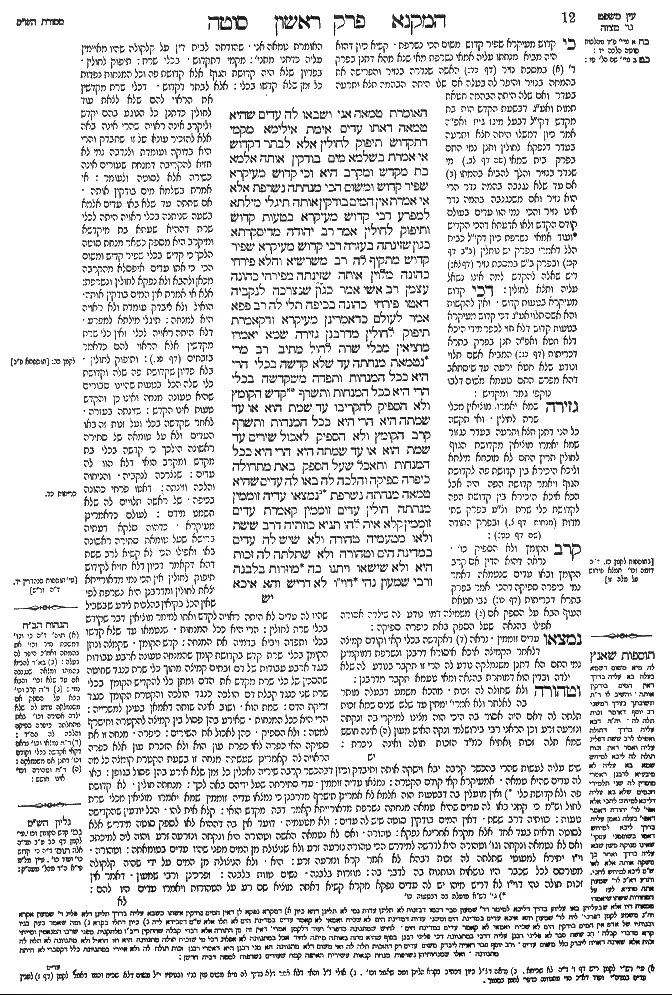
Sotah 6b - Guemara
האומרת טמאה אני ושבאו לה עדים שהיא טמאה דאתו עדים אימת אילימא מקמי דתקדוש תיפוק לחולין אלא לבתר דקדוש אי אמרת בשלמא מים בודקין אותה אלמא בת מקדש ומקרב היא וכי קדוש מעיקרא שפיר קדוש ומשום הכי מנחתה נשרפת אלא אי אמרת אין המים בודקין אותה תיגלי מילתא למפרע דכי קדוש מעיקרא בטעות קדוש ותיפוק לחולין אמר רב יהודה מדיסקרתא כגון שזינתה בעזרה דכי קדוש מעיקרא שפיר קדוש מתקיף לה רב משרשיא והלא פירחי כהונה מלוין אותה שזינתה מפירחי כהונה עצמן רב אשי אמר כגון שנצרכה לנקביה דאטו פירחי כהונה בכיפה תלי לה רב פפא אמר לעולם כדאמרינן מעיקרא ודקאמרת תיפוק לחולין מדרבנן גזירה שמא יאמרו מוציאין מכלי שרת לחול מתיב רב מרי נטמאת מנחתה עד שלא קדשה בכלי הרי היא ככל המנחות ותפדה משקדשה בכלי הרי היא ככל המנחות ותשרף קדש הקומץ ולא הספיק להקריבו עד שמת הוא או עד שמתה היא הרי היא ככל המנחות ותשרף קרב הקומץ ולא הספיק לאכול שירים עד שמת הוא או עד שמתה היא הרי היא ככל המנחות ותאכל שעל הספק באת מתחילה כיפרה ספיקה והלכה לה באו לה עדים שהיא טמאה מנחתה נשרפת נמצאו עדיה זוממין מנחתה חולין עדים זוממין קאמרת עדים זוממין קלא אית להו תניא כוותיה דרב ששת ולאו מטעמיה טהורה ולא שיש לה עדים במדינת הים וטהורה ולא שתלתה לה זכות היא ולא שישאו ויתנו בה מוזרות בלבנה ורבי שמעון נהי דוי"ו לא דריש והא איכא
Comments from Rashi on Masechet Sotah Page 6b
האומרת טמאה אני . שהודתה לבית דין על קלקולה שהיו מאיימין עליה כדתני מתני': מקמי דתקדוש . בכלי שרת: תיפוק לחולין . בפדיון שלא היה קדושת הגוף אלא קדושת פה וכל המנחות נפדות כל זמן שלא קדשו בכלי: אלא לבתר דקדוש . דכלי שרת מקדשין את הראוי להם שלא לצאת עוד לחולין כדתנן כל הנוגע בהם יקדש וליקרב אינה ראויה שהרי אינה באה אלא להזכיר עונה של זו שתבדק והרי היא בדוקה ועומדת ולנדבה נמי לא חזיא להקריבה דמנחת שעורים אינה כשירה אלא לסוטה ולעומר: אי אמרת בשלמא מים בודקין אותה . אם שתתה עד שלא באו עדים אלמא בשעה שניתנה בכלי ראויה היתה לכלי שרת דההיא שעתא בת מיקדשא ומיקרב היא מספק כשאר מנחת סוטה הלכך כי קדיש בכלי שפיר קדיש ומשום הכי כי אתו עדים איפסלא מהקרבה מכאן ולהבא ולא נפקא לחולין ונשרפת: אלא אי אמרת אין המים בודקין אותה . הואיל ולא ליבדק עומדת ולא ראויה היא למנחה: תיגלי מילתא למפרע . דלא היתה ראויה לכלי ואין כלי שרת מקדשין אלא הראוי להם כדאמר בזבחים (דף פג.): ותיפוק לחולין . בלא פדיון שקדושת פה שלה וקדושת כלי שלה הכל בטעות שהיינו סבורים שהיא טעונה מנחה ואינו כן והקדש טעות אינו הקדש: שזינתה בעזרה . לאחר שקדשה בכלי ועל זנות זה באו העדים ולא על טומאה של סתירה ראשונה הילכך כי קדשה בכלי בת מקדש ומקרב הואי דלא הוו לה עדים: שנצרכה לנקביה . והניחוה והלכה וזינתה: דאטו פרחי כהונה בכיפה . של ראשה תלויים לה שלא תשמט מידם: לעולם כדאמרינן מעיקרא . כדהוה סלקא דעתיה ברישא שעל טומאת סתירה ראשונה באו ואפילו הכי לא קשיא לרב ששת דהא דקאמר דכיון דלא חזיא לקידוש תיפוק לחולין אין הכי נמי מדאורייתא יצאת לחולין ומדרבנן היא נשרפת לפי שאין הכל בקיאין בהלכות לידע שבשביל שהיו לה עדים לא היתה ראויה לקדש ואתו למימר מוציאין דבר שקידש בכלי שרת לחולין: הרי היא ככל המנחות . שנטמאו עד שלא קדשו בכלי ותפדה ויביא בדמיה את המנחה: קדש הקומץ . שקמצה ונתן הקומץ בכלי שרת קדש בקדושת קומץ שהמנחה טעונה ארבע עבודות כנגד ארבע עבודות של דם זבחים קמיצה מתוך כלי שרת כנגד שחיטה שהסכין של כלי שרת מקדש את הדם ומתן כלי להקדיש הקומץ בכלי שרת שני כנגד קבלת דם הולכה כנגד הולכה והקטרת הקומץ כנגד זריקת הדם: שמת הוא . ושוב אינה שותה דאמאן בעינן למשרייה: הרי היא ככל המנחות . שאירע בהן פסול בין קמיצה להקטרה ותישרף למטה: ולא הספיק . כהן לאכול את השירים: כיפרה . מנחה זו את ספיקה האי כפרה לאו כפרת עון הוא ולא הזכרת עון אלא כפרה הראויה לה קאמרינן שעשתה מנחה זו בשעת הקטרת קומצה כל מה שיש עליה לעשות שהרי בהכשר קרבה יבא וישקה אותה ותיבדק וכיון דבהכשר קרבה שיריה נאכלין כל זמן שלא אירע בהן פסול בגופן: באו לה עדים שהיא טמאה . אמעיקרא קאי קודם הקטרה: נמצאו עדיה זוממין . עדי סתירתה שעל ידיהם באה לכך: מנחתה חולין . לא קדושת פה ולא קדושת כלי ואין מועלין בה דבטעות הוה אלמא לא אמרינן תישרף מדרבנן כי נמצאו עדיה זוממין שמא יאמרו מוציאין מכלי שרת לחול וש"מ כי קתני באו לה עדים שהיא טמאה מנחתה נשרפת מדאורייתא קאמר דבת מקדש הואי: קלא אית להו . הכל יודעין שהקדישה טעות: כוותיה דרב ששת . דאין המים בודקין סוטה שיש לה עדים: ולא מטעמיה . דועד אין בה דההוא לאו לספק סוטה מידריש אלא לסוטה ודאית בעד אחד אלא מקרא אחרינא נפקא: טהורה . ואם לא נטמאה האשה וטהורה היא ונקתה ונזרעה זרע והוה ליה למיכתב ואם לא נטמאה ונקתה וגו' וטהורה היא לדרשה למידרש הכי טהורה נזרעה זרע ולא שניצולת מן המים מפני שהיו עדים בטומאתה: וטהורה . וי"ו יתירא למעוטי שתלתה לה זכות דבהא לא אמר קרא ונזרעה זרע: היא . ולא הניצולת מן המים על ידי שהיה קלקולה מפורסם לכל שכבר היו נושאות ונותנות בה לדבר בה: מוזרות בלבנה . נשים טוות בלבנה: ופרכינן ורבי שמעון . דאמר אין זכות תולה נהי דוי"ו לא דריש מיהו יש לה עדים נפקא מקרא קשיא דאתה מוציא שם רע על הטהורות ויאמרו עדים היו להם:
Comments from Tosafot - Sotah 6b
כי קדוש מעיקרא שפיר קדוש משום הכי נשרפת . קשיא כיון דהוא היה מביא מנחתו עליה אמאי נשרפת מאי שנא מהא דתנן בפרק ד' במסכת נזיר (דף כד:) האשה שנדרה בנזיר והפרישה את בהמתה בנזיר והיפר לה בעלה אם שלו היתה הבהמה תצא ותרעה בעדר ואם שלה היתה הבהמה חטאת תמות ואע"ג דבשעת הקדש הות בת מקדש דקי"ל דבעל מיגז גייז ואפ"ה אמר כיון דמשלו היתה תצא ותרעה בעדר דנפקא לחולין ותנן נמי התם בפרק בית שמאי (שם דף לב.) מי שנדר בנזיר והלך להביא בהמתו אם עד שלא נגנבה בהמה נדר הרי הוא נזיר ואם משנגנבה בהמה נדר אינו נזיר והכי נמי הוו עדים בעולם קודם הקדש ולאו אדעתא דהכי הקדיש ועוד אמאי נשרפת כיון דקי"ל כבית הלל דאמרי בפרק יש נוחלין (ב"ב דף קכ:) ובפרק ב"ש במסכת נזיר (דף לא:) דיש שאלה להקדש למה אינו נשאל עליה ותצא לחולין: דכי קדוש מעיקרא בטעות קדוש . ואין להקשות והא אשם תלוי אע"ג דכי קדוש מעיקרא בטעות קדוש דלא חזי לכפר מידי היכא דלא חטא ואפ"ה תנן בפרק בתרא דכריתות (דף כג:) המביא אשם תלוי ונודע שלא חטא ירעה עד שיסתאב דהא מפרש התם טעמא משום דלבו נוקפו גמר ומקדיש: גזירה שמא יאמרו מוציאין מכלי שרת לחולין . ואי תקשה כל הני דתנן תצא ותרעה בעדר נגזור שמא יאמרו מוציאין מקדושת הגוף לחולין תריץ התם לא מוכחא מילתא וליכא היכירא בין קדושת פה לקדושת הגוף ויאמר קדושת הפה היה אבל הכא איכא היכירא בין קדושת הפה לקדושת כלי שרת וצ"ע בפרק שתי מדות (מנחות דף צ.) ובפרק התודה (שם דף עט:): קרב הקומץ ולא הספיק כו' . נראה דהוא הדין אם קרב הקומץ ובאו עדים שנטמאה דאמר נמי כיפרה ספיקה דהכי אמר בפרק בתרא דכריתות (דף כו:) גבי חטאת העוף הבא על הספק אם משמיצה דמו נודע לה שילדה אסורה אפילו בהנאה שעל הספק באת כיפרה ספיקה: נמצאו עדים זוממין . נראה דאקדשה בכלי קאי וקודם קמיצה דלאחר הקמיצה איכא איסורא דרבנן ונשרפת דמוקמינן נמי התם הא דתנן משנמלקה נודע לה הרי זו תקבר בנודע לה שלא ילדה ובדין הוא דמותרת בהנאה ומאי טעמא תקבר מדרבנן: וטהורה ולא שתולה לה זכות . מהכא משמע דבעלה מותר בה לאלתר ולא אמרי' ימתין עד שלש שנים שמא זכות תלתה לה דאם היה אסור בה היכי הוה מצינו למיקרי בה ונקתה ונזרעה זרע וכן הראני רבי בירושלמי ונקה האיש מעון אינה חושש שמא תלה זכות ואתיא כמ"ד הזכות תולה ואינה ניכרת:
Sotah 6b - Mishnah translated into english
One who says: I am defiled, and witnesses came forth and testified with regard to her that she is defiled.
Rav clarifies: In the case where witnesses came forth, when did they come forth? If we say that they came forth before the meal-offering was sanctified, as all meal-offerings become sanctified only when placed in the service vessels used in the Temple service, then the testimony should obviate the need for the sota rite, and the meal-offering should be transferred to non-sacred status, as any meal-offering that was found to be consecrated in error before it was sanctified in a service vessel reverts to non-sacred status. Therefore, Rav infers that the witnesses could not have testified before the offering’s sanctification, or the meal-offering would not be burned.
Rav states his objection: Rather, the witnesses must have come forth after the meal-offering was sanctified. Granted, if you say the bitter water of a sota evaluates whether she was unfaithful in a case where there are witnesses to her infidelity, even if they have not testified, evidently the meal-offering is suitable to be sanctified and sacrificed; and when it was sanctified at the outset, although there were witnesses who could have testified, it was properly sanctified, and due to that reason her meal-offering is burned, because once an offering has been properly sanctified it cannot be transferred to non-sacred status.
But if you say that the bitter water does not evaluate whether she was unfaithful so long as there are witnesses to her infidelity, then once the witnesses come forth, the matter should be revealed retroactively that when the meal-offering was sanctified at the outset, it was sanctified in error. And the meal-offering should therefore be transferred to non-sacred status, not burned.
Rav Yehuda from Diskarta said, in response, that the mishna concerning meal-offerings is referring to a case where the woman committed adultery in the Temple courtyard after the meal-offering had been sanctified in a service vessel, as at the outset, when the meal-offering was sanctified due to the previous seclusion, it was properly sanctified, as the witnesses were to the infidelity that occurred in the Temple courtyard, not to infidelity during the seclusion.
Rav Mesharshiyya objects to this explanation: But how can she commit adultery in the Temple courtyard? Don’t young priests [pirḥei kehunna] accompany her to the place where she drinks? The Gemara answers: This is a case where she committed adultery with the young priests themselves.
Rav Ashi said differently: It is a case where she needed to relieve herself and the accompanying young priest allowed her to go relieve herself in private, and she committed adultery there, for is that to say that the young priests hold her in a cell? Since there are times when she is out of their sight, there remains a possibility that she will commit adultery with others even when accompanied by the young priests.
Rav Pappa said differently: Actually, the explanation is as we initially said, that the witnesses testify that she had been defiled during the initial seclusion for which she must drink, and not for adultery committed in the Temple courtyard. And that which you say, that if the bitter water does not evaluate a woman about whom there are witnesses concerning her infidelity, and therefore the offering was sanctified in error and it should be transferred to non-sacred status, you are correct that by Torah law it is non-sacred. However, it is considered sacred by rabbinic law, due to a rabbinic decree, lest people who do not know that the sanctification was done in error will mistakenly say: One can transfer a meal-offering to non-sacred status without it being redeemed even after it had been sanctified in a service vessel.
Rav Mari raises an objection to Rav Pappa’s interpretation from a baraita in the Tosefta (2:4–6) that states: If the meal-offering of a sota became ritually impure, its status is determined by when it became impure. If it became impure before it was sanctified by being placed in a service vessel, it is like all other meal-offerings that became impure prior to sanctification, and it should be redeemed by a replacement offering brought in its stead. If it became impure after it had been sanctified by being placed in a service vessel, it is like all other meal-offerings that became impure after sanctification and must be burned.
The baraita continues: If, after the meal-offering was sanctified by being placed in a service vessel, the priest removed a handful from it to be sacrificed on the altar, and the handful was sanctified by being placed in its own service vessel, but the priest did not manage to sacrifice it before he, the husband, died, or before she, the wife, died, rendering the offering irrelevant, then it is like all other meal-offerings that are invalidated between the removal of the handful and its being sacrificed, and it must be burned.
The baraita continues: If the handful was sacrificed but the priest did not manage to eat the remainder of the meal-offering before the husband died, or before the wife died, it is like all other meal-offerings that become invalidated after the handful has been sacrificed, and it must be eaten by the priests. The baraita explains why, despite the death of the husband or wife, which renders this meal-offering irrelevant as the woman will not drink the bitter water, the meal-offering still is eaten: Because this meal-offering initially came due to an uncertainty as to whether the woman had been unfaithful, and it atoned for its uncertainty and left, i.e., it fulfilled its purpose of being sacrificed at the time when the husband and wife were still alive, it remains valid afterward as well.
The baraita continues: If witnesses came forth before the handful was offered and testified with regard to her that she is defiled, her meal-offering is burned. If the witnesses who testified about her infidelity are later found to be conspiring, her meal-offering is transferred to non-sacred status. This final clause teaches that if the witnesses to the wife’s infidelity are found to be conspiring witnesses, then the meal-offering is transferred to non-sacred status even after it was already sanctified in a service vessel. This is difficult for Rav Pappa, for he said that in a similar case, where witnesses testified about her infidelity after the offering was sanctified, the Sages decreed that the offering should be burned, in order to prevent people from saying that a meal-offering that has been sanctified in a service vessel may be transferred afterward to non-sacred status.
The Gemara refutes this objection: Do you say that one can question Rav Pappa’s statement from a ruling concerning conspiring witnesses? The cases are not comparable, as conspiring witnesses generate publicity. Since the circumstances of these cases are well publicized, everyone knows that the offering was sanctified in error.
After attempting to question Rav Sheshet’s novel ruling, that in the case of a sota with regard to whom there are witnesses in a country overseas who can testify that she engaged in sexual intercourse, the bitter water does not evaluate whether she was unfaithful, the Gemara attempts to adduce support for his ruling: It is taught in a baraita in accordance with the opinion of Rav Sheshet, but not due to his reasoning, rather based upon the explication of a verse.
The baraita expounds several words in the verse concerning a sota who survives the drinking of the bitter water and is found to have been faithful: “And if the woman be not defiled, but be clean [utehora hee], then she shall be cleared and shall conceive seed” (Numbers 5:28). Noting that the phrase “but be clean,” is apparently redundant, the baraita explains: The usage of the word “clean [tehora]” in the verse indicates that only one who survived the drinking of the bitter water due to her fidelity will conceive a child, but this will not happen in a case where she did not die because there are witnesses for her in a country overseas who can testify that she engaged in sexual intercourse.
Additionally, from the additional letter vav in the word “utehora,” meaning “but be clean,” another case is excluded. Only one who survived the drinking of the bitter water due to her fidelity will conceive a child, but this will not happen in a case where merit delays punishment for her, and she consequently doesn’t die immediately after drinking the bitter water.
The baraita continues: The next word in the verse, “she [hee],” excludes a third case: But not where she, i.e., her infidelity, is discussed by weavers [mozerot] in the moonlight. Women would sit in groups while spinning thread in the moonlight and gossip about the goings-on in the city. If they discuss her having committed adultery, then it is considered public knowledge, and the bitter water would not evaluate her in that case, as evaluation is not needed.
After citing this baraita as proof for the ruling of Rav Sheshet, albeit from a different source, the Gemara questions how Rabbi Shimon could deny the ability of the woman’s merit to delay the sota punishment due to fear that it will discredit the whole sota rite, being that there is another case that prevents the bitter water from evaluating a woman, i.e., where witnesses in a country overseas are able to testify. And Rabbi Shimon, granted that he does not interpret the letter vav, as he holds that its addition is not significant, and therefore he holds that her merit does not delay her punishment, but there is
Traduction : The William Davidson digital edition of the Koren Noé Talmud, with commentary by Rabbi Adin Even-Israel Steinsaltz.