 Talmud Bavli
Gittin 60b : Youtube
Daf TubeYoutube
2 video classes :
Gittin Page 60b
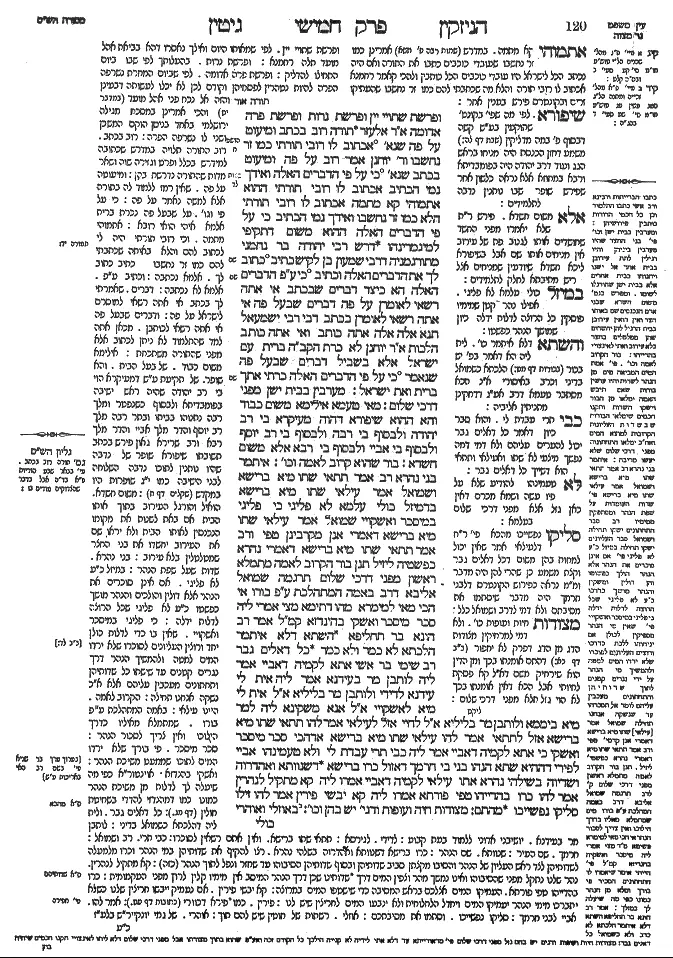
Gittin 60b - Guemara
ופרשת שתויי יין ופרשת נרות ופרשת פרה אדומה א"ר אלעזר תורה רוב בכתב ומיעוט על פה שנא' (הושע ח, יב) אכתוב לו רובי תורתי כמו זר נחשבו ור' יוחנן אמר רוב על פה ומיעוט בכתב שנא' (שמות לד, כז) כי על פי הדברים האלה ואידך נמי הכתיב אכתוב לו רובי תורתי ההוא אתמוהי קא מתמה אכתוב לו רובי תורתי הלא כמו זר נחשבו ואידך נמי הכתיב כי על פי הדברים האלה ההוא משום דתקיפי למיגמרינהו דרש רבי יהודה בר נחמני מתורגמניה דרבי שמעון בן לקיש כתיב (שמות לד, כז) כתוב לך את הדברים האלה וכתיב (שמות לד, כז) כי ע"פ הדברים האלה הא כיצד דברים שבכתב אי אתה רשאי לאומרן על פה דברים שבעל פה אי אתה רשאי לאומרן בכתב דבי רבי ישמעאל תנא אלה אלה אתה כותב ואי אתה כותב הלכות א"ר יוחנן לא כרת הקב"ה ברית עם ישראל אלא בשביל דברים שבעל פה שנאמר (שמות לד, כז) כי על פי הדברים האלה כרתי אתך ברית ואת ישראל:
מערבין בבית ישן מפני דרכי שלום:
מאי טעמא אילימא משום כבוד והא ההוא שיפורא דהוה מעיקרא בי רב יהודה ולבסוף בי רבה ולבסוף בי רב יוסף ולבסוף בי אביי ולבסוף בי רבא אלא משום חשדא:
בור שהוא קרוב לאמה וכו':
איתמר בני נהרא רב אמר תתאי שתו מיא ברישא ושמואל אמר עילאי שתו מיא ברישא בדמיזל כולי עלמא לא פליגי כי פליגי במיסכר ואשקויי שמואל אמר עילאי שתו מיא ברישא דאמרי אנן מקרבינן טפי ורב אמר תתאי שתו מיא ברישא דאמרי נהרא כפשטיה ליזיל תנן בור הקרוב לאמה מתמלא ראשון מפני דרכי שלום תרגמה שמואל אליבא דרב באמה המתהלכת ע"פ בורו אי הכי מאי למימרא מהו דתימא מצי אמרי ליה סכר מיסכר ואשקי בהינדזא קמ"ל אמר רב הונא בר תחליפא השתא דלא איתמר הלכתא לא כמר ולא כמר כל דאלים גבר רב שימי בר אשי אתא לקמיה דאביי אמר ליה לותבן מר בעידנא אמר ליה אית לי עידנא לדידי ולותבן מר בליליא א"ל אית לי מיא לאשקויי א"ל אנא משקינא ליה למר מיא ביממא ולותבן מר בליליא א"ל לחיי אזל לעילאי אמר להו תתאי שתו מיא ברישא אזל לתתאי אמר להו עילאי שתו מיא ברישא אדהכי סכר מיסכר ואשקי כי אתא לקמיה דאביי אמר ליה כבי תרי עבדת לי ולא טעמינהו אביי לפירי דההיא שתא הנהו בני בי חרמך דאזול כרו ברישא דשנוותא ואהדרוה ושדיוה בשילהי נהרא אתו עילאי לקמיה דאביי אמרו ליה קא מתקיל לנהרין אמר להו כרו בהדייהו טפי פורתא אמרו ליה קא יבשי פירין אמר להו זילו סליקו נפשייכו מהתם:
מצודות חיה ועופות ודגי' יש בהן וכו':
באוזלי ואוהרי
Comments from Rashi on Masechet Gittin Page 60b
ופרשת שתויי יין . לפי שמאותו היום ואילך נאסרו דהא בביאת אהל מועד תלה רחמנא: ופרשת נרות . בהעלותך לפי שבו ביום התחילו להדליק: ופרשת פרה אדומה . לפי שביום המחרת נשרפה הפרה להיות נטהרין לפסחיהן וקודם לכן לא יכלו לעשותה דבעינן והזה אל נכח פני אהל מועד (במדבר יט) והכי אמרינן במסכת מגילה ירושלמי באחד בניסן הוקם המשכן ושני לו נשרפה הפרה: רוב בכתב . רוב התורה תלויה במדרש שכתובה למידרש בכלל ופרט וגזירה שוה ושאר מדות שהתורה נדרשת בהן: ומיעוטה על פה . שאין רמז ללמוד לה בתורה אלא למשה נאמר על פה: כי על פי וגו' . על שבעל פה נכרת ברית אלמא איהי הואי רובא: כתיב כתוב לך . אלמא נכתבה: וכתיב ע"פ . אלמא לא נכתבה: אתמוהי מתמה . וכי רובי תורתי היה לי לכתוב להם והלא באותה שכתבתי להם כמו זר נחשבו: דברים . שאמרתי לך בכתב אי אתה רשאי למוסרם לישראל על פה: ודברים שבעל פה אי אתה רשאי לכותבן . מכאן אתה למד שהתלמוד לא ניתן לכתוב אלא מפני שהתורה משתכחת: אילימא משום כבוד . של בעל הבית: והא שופר . של תקיעת ע"ש דמעיקרא הוי בי רב יהודה שהיה ראש ישיבה בפומבדיתא ולבסוף כשנפטר ומלך רבה נתנוהו בביתו ובתר רבה מלך רב יוסף והדר מלך אביי והדר מלך רבא ורב שרירא גאון פירש בכתב תשובתו שיפורא שופר של נדבה שהיו נותנין לתוכו נדבה השלוחה לבני הישיבה כמו י"ג שופרות היו במקדש (שקלים דף ח): משום חשדא . הואיל והורגל העירוב בתוך אותו הבית אם באת לשנות את מקומו הנכנסין לאותו הבית ולא יראו שם את העירוב יחשדו את בני החצר שמטלטלין בלא עירוב: בני נהרא . שדות שעל שפת הנהר: במיזל כ"ע לא פליגי . אם אינן סוכרים את הנהר אלא דולין והולכים והנהר מושך כפשטו כ"ע לא פליגי שכל הרוצה לדלות ידלה: כי פליגי במיסכר ואשקויי . שאין בו כדי לדלות כולן יחד ורוצין העליונים לסוכרו שלא ירדו המים למטה ולהמשיך הנהר דרך נגרים קטנים עד שישתו כל שדותיהן ותחתונים מעכבין עליהם אלא א"כ נשקה אנחנו תחילה: הקרוב לאמה . היינו עילאי: באמה המתהלכת ע"פ בורו . שמתמלא מאיליו כדרך הילוכו ואין צריך לסכור הנהר: סכר מיסכר . פי בורך שלא ירדו המים לתוכו שממעט משיכת הנהר: ואשקי בהנדזא . אוינטור"א כפי מה שיעלה לך לדלות מן משיכת הנהר כמונו כמו דמהנדזי להדדי בשחיטת חולין (דף מג.): כל דאלים גבר . ולית ליה דהלכתא כשמואל בדיני: לותבן מר בעידנא . יושיבני אדוני ללמוד בעת קבוע: לדידי . לגירסא: תתאי שתו ברישא . ואין אתם רשאין לסוכרו: כבי תרי . רב ושמואל: חרמך . שם העיר: שנוותא . שם הנהר: כרו ברישא דשנוותא ואהדרוה בשלהי נהרא . רצו להקיף את שדותיהן במי הנהר וכרו מלמעלה לשדותיהן לצד ראש העליון של הנהר והסיבו מקצתן סביב שדותיהן ובסוף שדותיהן הסיבוהו עד שחזר ונפל לתוך הנהר (כזה): קא מתקיל לנהרין . נהר שלנו נתקל מפני שהסיבוהו ואינו נמשך מהר וצפין המים דרך שדותינו שכן דרך הנהר המיסב אין מימיו קלין לרוץ מפני העקמומית: כרו בהדייהו טפי פורתא . העמיקו המים אצלכם בראש המסיבה כדי שישטפו המים במרוצה: קא יבשי פירין . אם נעמיק ייבשו חריצין שלנו כשלא יתברכו מימי הנהר יעמיקו המים ויחדל הלחלוחית ולא ינבעו המים לחריצין שיש לנו: פירין . כמו פירא דכוורי (כתובות דף עט.): אמר להו . אביי לבני חרמך: סליקו נפשייכו . וסתמו את מסיבתכם: אוזלי . רשתות של חוטין שיש להם תוך: אוהרי . של גמי יונקייר"ש:
Comments from Tosafot - Gittin 60b
אתמוהי קא מתמה . במדרש (שמות רבה פ' תשא) אמרינן כמו זר נחשבו שעובדי כוכבים כתבו את התורה ואם היה נכתב הכל לישראל היו עובדי כוכבים הכל כותבין ולהכי קאמר רחמנא אכתוב לו רובי תורה והלא מה שכתבתי להם כמו זר נחשבו שהעתיקו זרים ובקונטרס פירש בענין אחר: שיפורא . לפי מה שפי' בקונט' שתוקעין בע"ש קשה דבסוף פ' במה מדליקין (שבת דף לה:) משמע דחזן הכנסת היה מניחו בראש הגג ועוד דרב יהודה היה בפומבדיתא ורבא במחוזא אלא נראה כלשון אחר שפירש שופר שבו נותנין נדבה לתלמידים: אלא משום חשדא . פירש ר"ת שלא יאמרו מפני החשד שחושדים אותו לגנוב פת של עירוב אין מניחים אותו שם אבל בשיפורא ליכא חשדא שיודעין שמניחים אצל ריש מתיבתא לחלק לתלמידים: במיזל כולי עלמא לא פליגי . אפילו נהר קטן שמימיו פוסקין כל הרוצה לדלות ידלה כיון שמושך הנהר כפשטו: והשתא דלא איתמר כו' . לית ליה הא דאמר בפ' יש בכור (בכורות דף מט:) הלכתא כשמואל בדיני וכרב באיסורי א"נ הכא מסתבר טעמא דרב אע"ג דדחקינן מתניתין אליביה: כבי תרי עבדת לי . והוא סבר כיון דאמר כל דאלים גבר יכול להערים עליהם ולא דמי דמה נפשך מיצעי לא שתו ואעילאי ותתאי הוא דשייך כל דאלים גבר: לא טעמינהו . להודיע שלא על פיו עשה ושמא מכרם דאין כאן גזל אלא מפני דרכי שלום בעלמא: סליקו נפשייכו מהכא . פי' ר"ח דלעילאי אמר שאין יכול למחות בהן משום דכל דאלים גבר וקצת משמע כן שהרי להן היה מדבר ומ"מ נראה כפירוש הקונטרס דלבני חרמך היה מדבר שיסתמו את מסיבתם ולא דמי לדרב ושמואל כלל: מצודות חיות ועופות כו' . ולא דמי למרחיקין מצודות הדג מן הדג דפרק לא יחפור (ב"ב דף כא:) דהתם אומנתו בכך ומן הדין הוא שירחיק משם דא"ל קא פסקת לחיותי אבל הכא דאין אומנתו בכך לא הוי גזל אלא מפני דרכי שלום:
Gittin 60b - Mishnah translated into english
the section dealing with priests who have become intoxicated with wine (Leviticus 10:8–11); the section of the lamps (Numbers 8:1–7); and the section of the red heifer (Numbers, chapter 19), as all of these sections are necessary for service in the Tabernacle.
§ The Gemara continues its discussion concerning the writing of the Torah: Rabbi Elazar says: The majority of the Torah was transmitted in writing, while the minority was transmitted orally, as it is stated: “I wrote for him the greater part of My Torah; they were reckoned a strange thing” (Hosea 8:12), meaning that the majority of the Torah was transmitted in written form. And Rabbi Yoḥanan says: The majority of the Torah was transmitted orally [al peh], while the minority was transmitted in writing, as it is stated with regard to the giving of the Torah to Moses on Mount Sinai: “For on the basis of [al pi] these matters I have made a covenant with you and with Israel” (Exodus 34:27), which indicates that the greater part of the Sinaitic covenant was taught orally.
The Gemara asks: And according to the other Sage, Rabbi Yoḥanan, as well, isn’t it written: “I wrote for him the greater part of My Torah”? How does he understand this verse? The Gemara answers: This verse is not a statement, but rather a rhetorical question expressing bewilderment: For did I write for him the greater part of My Torah? In that case they, the Jewish people, would be reckoned as strangers, meaning that there would be no difference between them and the nations of the world if everything was written down. Rather, the majority of the Torah must remain an oral tradition.
The Gemara asks: And according to the other Sage, Rabbi Elazar, as well, isn’t it written: “For on the basis of these matters I have made a covenant with you and with Israel”? How does he understand this verse? The Gemara answers: That verse, which indicates that the covenant was based on that which was taught by oral tradition, is stated due to the fact that it is more difficult to learn matters transmitted orally, but not because these matters are more numerous than those committed to writing.
Rabbi Yehuda bar Naḥmani, the disseminator for Rabbi Shimon ben Lakish, expounded as follows: It is written: “Write you these matters” (Exodus 34:27), and it is written later in that same verse: “For on the basis of [al pi] these matters.” How can these texts be reconciled? They mean to teach: Matters that were written you may not express them orally [al peh], and matters that were taught orally you may not express them in writing. The school of Rabbi Yishmael taught: The word “these” in the mitzva recorded in the verse “Write you these matters” is used here in an emphatic sense: These matters, i.e., those recorded in the Written Law, you may write, but you may not write halakhot, i.e., the mishnayot and the rest of the Oral Law.
Rabbi Yoḥanan says: The Holy One, Blessed be He, made a covenant with the Jewish people only for the sake of the matters that were transmitted orally [be’al peh], as it is stated: “For on the basis of [al pi] these matters I have made a covenant with you and with Israel” (Exodus 34:27).
§ The mishna teaches that the Sages enacted that a joining of courtyards [eiruv] is placed in an old house where it had regularly been placed on account of the ways of peace. The Gemara asks: What is the reason for this? If we say that it is to show respect to the owner of that house, but wasn’t it related about a certain charity box, which was fashioned for the benefit of the community and brought honor to the person in whose house it was placed, that initially it was placed in Rav Yehuda’s house, and afterward it was moved to Rabba’s house, and afterward it was transferred to Rav Yosef’s house, and afterward it was moved to Abaye’s house, and afterward it was moved to Rava’s house. This teaches that there is no issue here of respect, and that such items would ordinarily be moved from place to place.
Rather, say instead that the Sages instituted this enactment to avoid arousing suspicion. Since the eiruv had regularly been placed in a particular house, were it to be moved, people might think that the residents of the alleyway suspected that the owner of the house was stealing from them, and therefore they put it somewhere else.
§ The mishna teaches that the Sages enacted that the pit that is nearest to the irrigation channel that supplies water to several pits or fields is filled first on account of the ways of peace. It was stated that the amora’im disagree about the following issue: When people own fields along a river and they irrigate their fields with water that is redirected from it, who among them enjoys first rights to irrigate his field? Rav said: The owners of the lowermost fields drink the water, i.e., irrigate their fields, first. And Shmuel said: The owners of the uppermost fields drink the water first.
The Gemara explains: With regard to a case where the water flows on its own, everyone agrees that whoever wishes to irrigate may do so as he wishes. When they disagree, it is with regard to a case where they need to dam the river and irrigate through channels. Shmuel said: The owners of the uppermost fields drink the water first because they can say: We are nearer to the river’s headwaters. And Rav said: The owners of the lowermost fields drink the water first because they can say: Let the river go its natural way and after we take what we need, dam it as you please.
We learned in the mishna that the Sages enacted that the pit that is nearest to the irrigation channel that supplies water to several pits or fields is filled first on account of the ways of peace. This teaches that the party who is nearest to the water’s source enjoys first rights, and it supports Shmuel’s opinion and is difficult for Rav. Shmuel interpreted the mishna in accordance with the opinion of Rav: The mishna refers here to an irrigation channel that passes the mouth of the pit, so that the pit fills with water on its own, even without damming.
The Gemara asks: If so, what is the purpose of stating this? It is obvious. The Gemara answers: Lest you say that the owners of the other fields can say to the owner of the pit: Dam your pit as well so that water not enter it, and irrigate your fields in proportion [hindeza], just like the rest of us. The mishna therefore teaches us that the owner of the pit is not required to do this, and consequently his pit is filled first.
Rav Huna bar Taḥalifa said: Now that the halakha was stated neither in accordance with the opinion of this Sage, Rav, nor in accordance with the opinion of that Sage, Shmuel, whoever is stronger prevails. Since the halakha has not been decided, the court refuses to judge the case and leaves the claimants to settle the matter themselves, in the hope that the rightful party will exert himself and prevail.
Rav Shimi bar Ashi came before Abaye and said to him: Master, set a time for me to study with you. Abaye said to him: I have a set time for myself, and I cannot devote it to you. Rav Shimi bar Ashi said to him: Master, set a time for me at night, and we can study then. Abaye said to him: I have to bring water at night with which to irrigate my fields. Rav Shimi bar Ashi said to him: I will irrigate for Master during the day, and then Master can set a time for me at night to study with him. Abaye said to him: Very well; this is an acceptable arrangement.
What did Rav Shimi bar Ashi do? He first went to the owners of the uppermost fields, and said to them: The owners of the lowermost fields drink the water first, in accordance with the opinion of Rav. He then went to the owners of the lowermost fields, and said to them: The owners of the uppermost fields drink the water first, in accordance with the opinion of Shmuel. In the meantime, while the owners of the upper fields and the lower fields were arguing over who has first rights to the water, Rav Shimi bar Ashi dammed the river and irrigated Abaye’s fields. When he came before Abaye, the latter said to him: You have acted for me in accordance with two opposing opinions. And Abaye would not even taste the produce of that year because he thought that the water had reached his field in an unlawful manner.
It is related that there were certain residents of a place called Bei Ḥarmakh who went and dug a channel at the head of the Shanvata River in order to divert the water and allow it to circle their fields, and then they returned the water to the river further downstream. Those who owned fields further upstream came before Abaye, and said to him: This damages our river, as the water is not flowing as it once had. Abaye said to them: Dig a little deeper with them, and that should solve the problem. They said to him: If we do that, our pits will become dry. Once Abaye heard this he said to the residents of Bei Ḥarmakh: Go remove yourselves from there, and dam the diversion that you made for the river.
§ The mishna teaches: Taking animals, birds, or fish that were caught in traps belonging to another person is considered robbery on account of the ways of peace. And Rabbi Yosei says that this is full-fledged robbery. The Gemara comments: With regard to nets [uzlei] and woven traps [oharei],
Traduction : The William Davidson digital edition of the Koren Noé Talmud, with commentary by Rabbi Adin Even-Israel Steinsaltz.