 Talmud Bavli
The learning on the whole site is dedicated : L'ilui Nishmat יוסף בן מושה
The learning on the whole site is dedicated : L'ilui Nishmat Jamila bat Chlomo Abensour
The learning on the whole site is dedicated : L'ilui Nishmat Rav Chlomo Ben Jamilla
Menachot 52a : Youtube
Daf TubeYoutube
2 video classes :
Menachot Page 52a
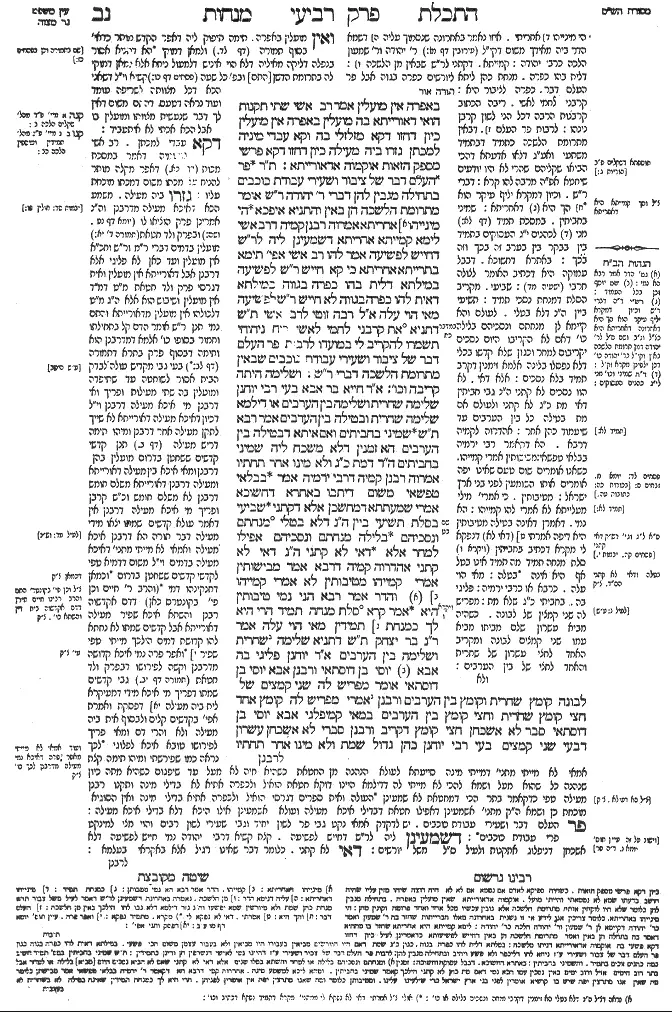
Menachot 52a - Guemara
באפרה אין מועלין אמר רב אשי שתי תקנות הואי דאורייתא בה מועלין באפרה אין מועלין כיון דחזו דקא מזלזלי בה וקא עבדי מיניה למכתן גזרו ביה מעילה כיון דחזו דקא פרשי מספק הזאות אוקמוה אדאורייתא:
ת"ר פר העלם דבר של ציבור ושעירי עבודת כוכבים בתחילה מגבין להן דברי ר' יהודה ר"ש אומר מתרומת הלשכה הן באין והתניא איפכא הי מינייהו אחריתא אמרוה רבנן קמיה דרב אשי לימא קמייתא אחריתא דשמעינן ליה לר"ש דחייש לפשיעה אמר להו רב אשי אפי' תימא בתרייתא אחריתא כי קא חייש ר"ש לפשיעה במילתא דלית בהו כפרה בגווה במילתא דאית להו כפרה בגווה לא חייש ר"ש לפשיעה מאי הוי עלה א"ל רבה זוטי לרב אשי ת"ש דתניא (במדבר כח, ב) את קרבני לחמי לאשי ריח ניחוחי תשמרו להקריב לי במועדו לרבות פר העלם דבר של ציבור ושעירי עבודת כוכבים שבאין מתרומת הלשכה דברי ר"ש:
ושלימה היתה קריבה וכו':
א"ר חייא בר אבא בעי רבי יוחנן שלימה שחרית ושלימה בין הערבים או דילמא שלימה שחרית ובטילה בין הערבים אמר רבא ת"ש שמיני בחביתים ואם איתא דבטילה בין הערבים הא זמנין דלא משכח ליה שמיני בחביתים ה"ד דמת כ"ג ולא מינו אחר תחתיו אמרוה רבנן קמיה דרבי ירמיה אמר בבלאי טפשאי משום דיתבו באתרא דחשוכא אמרי שמעתתא דמחשכן אלא דקתני שביעי בסלת תשיעי ביין ה"נ דלא בטלי (במדבר כט, יח) מנחתם ונסכיהם בלילה מנחתם ונסכיהם אפילו למחר אלא דאי לא קתני ה"נ דאי לא קתני אהדרוה קמיה דרבא אמר מבישותין אמרי קמייהו מטיבותין לא אמרי קמייהו והדר אמר רבא הני נמי טיבותין היא אמר קרא (ויקרא ו, יג) סלת מנחה תמיד הרי היא לך כמנחת תמידין מאי הוי עלה אמר ר"נ בר יצחק ת"ש דתניא שלימה שחרית ושלימה בין הערבים א"ר יוחנן פליגי בה אבא יוסי בן דוסתאי ורבנן אבא יוסי בן דוסתאי אומר מפריש לה שני קמצים של לבונה קומץ שחרית וקומץ בין הערבים ורבנן אמרי מפריש לה קומץ אחד חצי קומץ שחרית וחצי קומץ בין הערבים במאי קמיפלגי אבא יוסי בן דוסתאי סבר לא אשכחן חצי קומץ דקריב ורבנן סברי לא אשכחן עשרון דבעי שני קמצים בעי רבי יוחנן כהן גדול שמת ולא מינו אחר תחתיו
Comments from Rashi on Masechet Menachot Page 52a
למכתן . אפר מרפא מכה: פרשי מספק הזאות . משום מעילה בשמעתא קמייתא דמעילה (דף ב:) מפרש מאי איכא בין מעילה דרבנן למעילה דאורייתא: ספק הזאות . כגון שנטמא בספק טמא מת כגון סככות ופרעות: בתחילה מגבין להן . כלומר עכשיו כשמביאין אותן גובין את המעות מכל אחד ואחד ואין באין מתרומת הלשכה כשאר קרבנות צבור: הי מינייהו אחריתי . איזו נאמר באחרונה שנסמוך עליה דשמא הדר ביה מאידך משום דקי"ל (עירובין דף מו:) ר' יהודה ור' שמעון הלכה כרבי יהודה: קמייתא . דקתני לר"ש שבאין מן הלשכה: דלית בהו כפרה . מנחת כהן ליתא ליורשים כפרה בגוה אבל פר העלם דבר כפרה לציבור היא: קרבני לחמי לאשי . ריבה הכתוב קרבנות הרבה דכל הני לשון קרבן נינהו: לרבות פר העלם . דבאין מתרומת הלשכה כתמיד דבתמיד משתעי ואע"ג דלאו אדעתא דהכי הביאו שקליהם שהרי לא היו יודעים שיחטא אפ"ה מרבה להו קרא: דברי ר"ש . וכיון דמקרא יליף עיקר הוא הך היא דאחריתא: שמיני בחביתין . במסכת תמיד (דף לא:) מני לכהנים י"ג העסוקים בתמיד בין בבקר בין בערב זה בכך וזה בכך: באתרא דחשוכא . דבבל עמוקה היא דכתיב האומר לצולה חרבי (ישעיהו מד): שביעי . מקריב הסלת דמנחת נסכי תמיד: תשיעי ביין ה"נ דלא בטלי . לעולם והא קיימא לן מנחתם ונסכיהם בלילה כו' דאם לא הקריבו היום נסכים יקריבום למחר וכגון שלא קדשו בכלי דלא נפסלו בלינה אלמא זימנין דקרב תמיד בלא נסכים: אלא דאי . לא הוו נסכים לא קתני ה"נ גבי חביתין דאי מת כ"ג לא קתני ולעולם אם מת בטילה כל בין הערבים עד שיעמוד כהן אחר: אהדרוה לקמיה דרבא . הא דקאמר רבי ירמיה בבלאי טפשאי: מבישותין אמרי קמייהו . כשאנו אומרים שום טעם שאינו יפה אומרים אותו השומעין לפני בני ארץ ישראל: מטיבותין . כי אמרי' מילי מעלייתא לא אמרי להו קמייהו: הא נמי . דאמרן דאינה בטילה מטיבותין היא דיפה אמרתי (דאי לא) דנפקא לי מקרא דכתיב בחביתין (ויקרא ו) סלת מנחה תמיד מה תמיד אינו בטל אף היא אינה בטלה: מאי הוי עלה . כרבא או כרבי ירמיה: פליגי בה . בחביתי כ"ג שלא מת: מפריש לה שני קמצין של לבונה . כשהיה מביא עשרון שלם מביתו מביא עמו שני קמצים לבונה ומקריב האחד לחצי עשרון של שחרית והאחד לחצי של בין הערבים: ולא מינו אחר . דקריבה שלימה:
Comments from Tosafot - Menachot 52a
ואין מועלין באפרה. תימה תיפוק ליה דאפר הקדש מותר כדאי' בסוף תמורה (דף לד.) ולמאן דמוקי הא דתניא אסור בנפלה דליקה מאיליה דלא הוי איניש דלמעול ניחא אלא למאן דמוקי לה בתרומת הדשן [התם] ובפ' כל שעה (פסחים דף כו:) קשיא וי"ל דשאני הכא דכל מצוותה לשריפה עומד ועוד נראה דטעם דהתם משום דאין לך דבר שנעשית מצוותו ומועלין בו אבל הכא אכתי לא איתעביד: דקא עבדי למכתן. רב אשי לטעמיה דאמר במסכת מכות (דף כא.) דאפר מקלה מותר להניח על מכתו משום דמכתו מוכחת עליו: גזרו ביה מעילה. משמע הכא דאיכא מעילה מדרבנן וה"נ אמרינן פרק הוציאו לו (יומא דף נט. ושם:) ובפרק ולד חטאת (תמורה ד' יא:) מועלין בדמים דברי ר"מ ור"ש וחכ"א אין מועלין ועד כאן לא פליגי אלא דרבנן אבל דאורייתא אין מועלין ואית דגרסי פרק ולד חטאת מ"ט דמ"ד אין מועלין ושיבוש הוא אלא ה"ג מ"ט דלכולהו אין מועלין מדאורייתא והתם נמי תנן ר"ש אומר הדם קל בתחילתו וחמור בסופו כו' אלמא דמדרבנן הוא ותימה דבסוף פרק בתרא דתמורה (דף לב:) בעי גבי מקדיש עולה לבדק הבית אסור לשוחטה עד שתיפדה ומועלין בה שתי מעילות ופריך ואי דרבנן מי איכא מעילה דרבנן וי"ל דכיון דאיכא מעילה דאורייתא לא שייך לתקן מעילה אחר דרבנן ומיהו תימה דריש מעילה (דף ב.) תנן קדשי קדשים ששחטן בדרום מועלין בהן דרבנן ומאי איכא בין מעילה דאורייתא ומעילה דרבנן דאורייתא משלם חומש דרבנן לא משלם חומש וכ"ש קרבן ופריך מי איכא מעילה דרבנן אין דאמר עולא קדשים שמתו יצאו מידי מעילה דבר תורה הא דרבנן איכא מעילה ואמאי לא מייתי מתני' דאיכא מעילה בדמים וי"ל משום דדמיא טפי לקדשי קדשים ששחטן בדרום וכמאן דחנקינהו דמי (והרב ר' חיים וכן פי' בקונטרס כאן) דדם אקדשוה רבנן והשתא איכא שפיר מעילה דאורייתא אבל קדשים שמתו לא נחתא להו קדושת דמים הילכך מייתי טפי שפיר ואפר פרה נמי איכא קדושה מדרבנן וקשה לפירושו דבפרק ולד חטאת (תמורה דף יב.) גבי קדשים שמתו דפריך מי איכא מידי דמעיקרא לית ביה מעילה דפסקת ואמרת אפי' בקדשים קלים ולבסוף אית ביה מעילה ולא והרי דם ומאי פריך לפירושו טובא איכא לפלוגי לכך נראה כמו שפירשתי ומיהו תימה קצת אמאי לא מייתי מתני' דמייתי מינה סייעתא לעולא הנהנה מן החטאת כשהיא חיה לא מעל עד שיפגום כשהיא מתה כיון שנהנה כל שהוא מעל ושמא להכי לא מייתי לה דדילמא היינו דוקא חטאת הואיל ולכפרה אתיא לא בדילי מינה ותקנו רבנן מעילה טפי כדקאמר בתר הכי דמחטאת לא שמעינן העולה ואית ספרים דגרסי הואיל ולכפרה אתיא בדילי מינה ואין הסוגיא מוכחת כן ושמא ה"ק מתני' אשמעינן דאפילו חטאת דבדילי איכא מעילה ועולא אשמעינן אילו היכא דלא בדילי איכא מעילה: פר העלם דבר ושעירי עבודת כוכבים. יש לדקדק אמאי נקט גבי פר לשון יחיד וגבי שעירי לשון רבים והוי מצי למינקט פרי עבודת כוכבים: דשמעינן ליה לר"ש דחייש לפשיעה. קצת קשיא דרבי יהודה נמי חייש לפשיעה דלא אשכחן דניפלוג אתקנות ולעיל ס"ל משל יורשים: דאי לא קתני. כלומר דבר שאינו רגיל אלא באקראי בעלמא:
Menachot 52a - Mishnah translated into english
but if one derives benefit from its ashes, one is not liable for misusing consecrated property. It is clear from the baraita that by Torah law one is not liable for misuse of consecrated property if he derives benefit from the ashes of a red heifer.
Rav Ashi said in response: In fact, this halakha is by Torah law, but there were two ordinances that were enacted concerning this matter. By Torah law, if one derives benefit from it, the animal itself, he is liable for misusing consecrated property, but if he derives benefit from its ashes he is not liable for misusing consecrated property. Once the Sages saw that people were treating the ashes of the heifer disrespectfully, and making salves for their wounds from it, they decreed that it is subject to the halakhot of misuse of consecrated property and one may not derive benefit from it.
Once they saw that as a result of this decree people were refraining from sprinkling it in cases where there was uncertainty as to whether or not an individual was impure and required sprinkling, they revoked the decree and established it in accordance with the halakha as it is by Torah law, that one is not liable for misusing the ashes of a red heifer.
§ The Gemara cites a dispute between Rabbi Shimon and Rabbi Yehuda that is similar to the one cited earlier. The Sages taught in a baraita: If there is a need to sacrifice the bull for an unwitting communal sin, brought if the Sanhedrin issues an erroneous halakhic ruling concerning a prohibition for which one is liable to receive karet and the majority of the community acts upon it, or the goats brought if the Sanhedrin issues an erroneous ruling permitting idol worship and the majority of the community acts on it, a new collection of funds is organized for them. The funds are not taken from the collection of the Temple treasury chamber, unlike other communal offerings. This is the statement of Rabbi Yehuda. Rabbi Shimon says: The funds for these sacrifices come from the collection of the chamber.
The Gemara challenges: But isn’t it taught in a baraita the opposite, i.e., that the first opinion cited above is that of Rabbi Shimon and the second is that of Rabbi Yehuda? Which of the two baraitot is the later one and therefore the more accurate and authoritative version of their opinions?
The Sages said the following before Rav Ashi: Let us say that the first baraita cited above is the later one, as we have heard that Rabbi Shimon is concerned about the possibility of negligence. Just as Rabbi Shimon was concerned above that the heirs of the High Priest would not provide the funds for the griddle-cake offering, it is reasonable to assume that he would be concerned that people would not contribute to a new collection, and therefore the funds are taken from the collection of the chamber.
Rav Ashi said to the Sages: You may even say that the latter baraita cited above is the later and more authoritative one. When Rabbi Shimon expressed that he is concerned about the possibility of people acting with negligence, that was only with regard to a matter that does not provide them with atonement, e.g., the griddle-cake offering of the deceased High Priest. But Rabbi Shimon is not concerned about the possibility of negligence with regard to a matter that does provide them with atonement, e.g., these sin offerings.
The Gemara asks, in light of the fact that the discussion above was inconclusive: What conclusion was reached about it; which baraita is later and more authoritative?
Rabba Zuti said to Rav Ashi: Come and hear a resolution, as it is taught in a baraita: The verse concerning the daily sacrifice: “Command the children of Israel, and say to them: My food that is presented to Me for offerings made by fire, of a pleasing aroma to Me, you shall observe to sacrifice to Me in its due season” (Numbers 28:2), serves to include the bull for an unwitting communal sin and the goats of idol worship. This teaches that the funds for these offerings come from the collection of the chamber; this is the statement of Rabbi Shimon. This proves that it is Rabbi Shimon who holds that these sacrifices are brought from the collection of the chamber.
§ The mishna teaches: And for the duration of the period until a new High Priest is appointed, the griddle-cake offering was sacrificed as a complete tenth of an ephah of fine flour. Rabbi Ḥiyya bar Abba says that Rabbi Yoḥanan raises a dilemma: Does the mishna mean that a complete tenth of an ephah is offered in the morning and another complete tenth of an ephah is offered in the afternoon, because this offering is sacrificed twice a day and is not divided in half when it is not brought by the High Priest himself? Or does it perhaps mean that a complete tenth of an ephah is sacrificed in the morning and the offering is canceled in the afternoon?
Rava said: Come and hear the resolution to this dilemma from that which is taught in a mishna (Tamid 31b) describing the order of the nine priests who brought the limbs of the daily offering up to the ramp of the altar, both in the morning and in the afternoon: The eighth priest carries the griddle-cake offering of the High Priest. And if it were so that the offering is canceled in the afternoon, then sometimes one would not find the eighth priest carrying the griddle-cake offering. What are the circumstances when there would be no eighth priest? In a case where the High Priest died after he brought his griddle-cake offering in the morning and they did not yet appoint another High Priest in his stead. Therefore, it must be that a complete tenth of an ephah was also brought for the afternoon offering.
The Sages stated this proof before Rabbi Yirmeya. Rabbi Yirmeya rejected it and said: Those foolish Babylonians, because they dwell in a low-lying and therefore dark land, they state halakhot that are dark, i.e., erroneous.
Rather, with regard to that which the same mishna teaches: The seventh priest carries the fine flour for the meal offering component of the daily offering and the ninth priest carries the wine for the libations that accompany the daily offering, is it also the case that they are never canceled?
That is not correct, as it is derived from the verse “Their meal offering and their libations” (Numbers 29:18) that these items may be sacrificed even at night, despite the fact that the daily offering they accompany must be sacrificed during the day. Similarly, the phrase “their meal offering and their libations” indicates that these items may be sacrificed even the next day (see 44b). Under those circumstances there would not have been fine flour and wine brought by the seventh and nine priests at the time of the daily offering.
Rather, one must explain that the tanna does not teach cases of what if, and is speaking only about the typical case. So too with regard to Rava’s proof from the mishna, it is not compelling because the tanna does not teach cases of what if the High Priest dies and a successor has not yet been appointed.
The Sages then brought Rabbi Yirmeya’s analysis before Rava. Rava initially said to them: You state our inferior statements, which can be refuted, before the Sages of Eretz Yisrael, but you do not state our superior statements before them?
And Rava then said to them: This statement, that the griddle-cake offering is sacrificed twice a day even if there is no High Priest, is also one of our superior statements, as the verse states concerning the griddle-cake offering of the High Priest: “Fine flour for a meal offering perpetually [tamid], half of it in the morning, and half of it in the evening” (Leviticus 6:13). This teaches that the griddle-cake offering of the High Priest is like the meal offering component of the daily offerings [temidin] and must be sacrificed in the morning and the afternoon, even if the High Priest died and was not yet replaced.
The Gemara asks: What halakhic conclusion was reached about this matter? Rav Naḥman bar Yitzḥak said: Come and hear a resolution to Rabbi Yoḥanan’s dilemma, as it is taught explicitly in a baraita: If the High Priest died and was not yet replaced, a complete tenth of an ephah is sacrificed in the morning and another complete tenth of an ephah is sacrificed in the afternoon.
§ Rabbi Yoḥanan says: Abba Yosei ben Dostai and the Rabbis disagree as to the amount of frankincense brought with the griddle-cake offering of the High Priest.
Abba Yosei ben Dostai says: The High Priest separates two handfuls of frankincense for his griddle-cake offering each day; one handful for his morning offering and one handful for his afternoon offering. And the Rabbis say: The High Priest separates one handful of frankincense each day for his griddle-cake offering. He divides it in half and brings half a handful for his morning offering and half a handful for his afternoon offering.
The Gemara clarifies: With regard to what principle do they disagree? Abba Yosei ben Dostai holds that since one does not find a case where the Torah explicitly states that half a handful is sacrificed, he brings a complete handful for each offering. And the Rabbis hold that since one does not find a case where a tenth of an ephah requires two handfuls of frankincense, he brings only one handful and divides it between the two offerings.
Having discussed the quantity of frankincense that is generally brought with the griddle-cake offering, the Gemara now addresses a case where the High Priest died. Rabbi Yoḥanan raises a dilemma: In the case of a High Priest who died and they did not yet appoint another in his stead,
Traduction : The William Davidson digital edition of the Koren Noé Talmud, with commentary by Rabbi Adin Even-Israel Steinsaltz.