 Talmud Bavli
Menachot 38b : Youtube
Daf TubeYoutube
2 video classes :
Menachot Page 38b
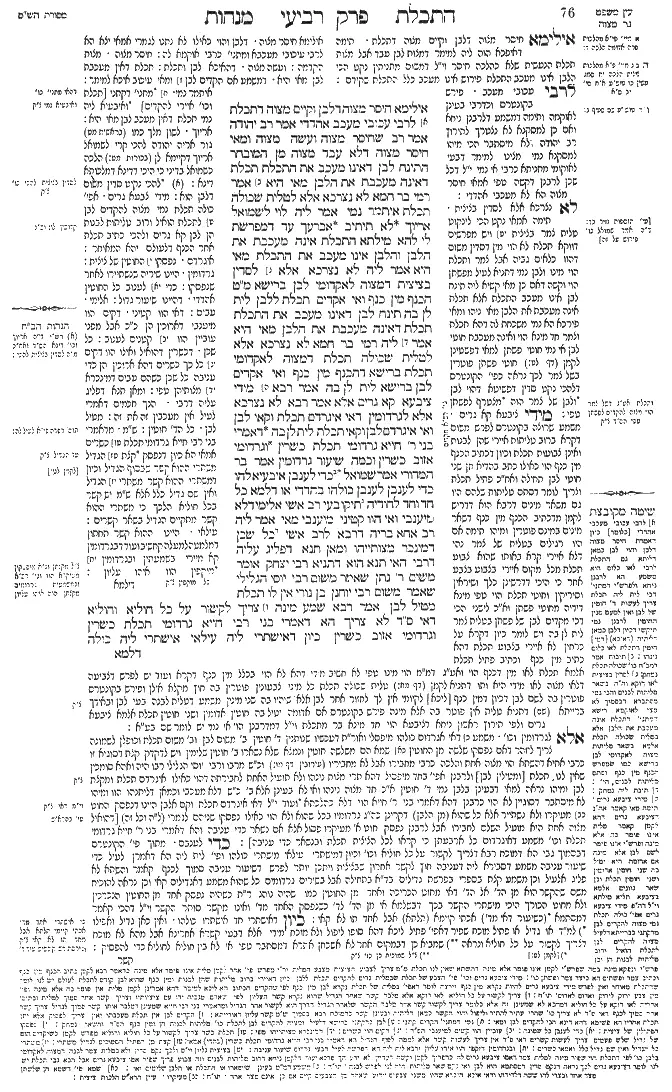
Menachot 38b - Guemara
אילימא חיסר מצוה דלבן וקיים מצוה דתכלת לרבי עכובי מעכב אהדדי אמר רב יהודה אמר רב שחיסר מצוה ועשה מצוה ומאי חיסר מצוה דלא עבד מצוה מן המובחר התינח לבן דאינו מעכב את התכלת תכלת דאינה מעכבת את הלבן מאי היא אמר רמי בר חמא לא נצרכא אלא לטלית שכולה תכלת איתמר נמי אמר ליה לוי לשמואל אריוך לא תיתיב אכרעך עד דמפרשת לי להא מילתא התכלת אינה מעכבת את הלבן והלבן אינו מעכב את התכלת מאי היא אמר ליה לא נצרכא אלא לסדין בציצית דמצוה לאקדומי לבן ברישא מ"ט הכנף מין כנף ואי אקדים תכלת ללבן לית לן בה תינח לבן דאינו מעכב את התכלת תכלת דאינה מעכבת את הלבן מאי היא אמר ליה רמי בר חמא לא נצרכא אלא לטלית שכולה תכלת דמצוה לאקדומי תכלת ברישא דהכנף מין כנף ואי אקדים לבן ברישא לית לן בה אמר רבא מידי ציבעא קא גרים אלא אמר רבא לא נצרכא אלא לגרדומין דאי איגרדם תכלת וקאי לבן ואי איגרדם לבן וקאי תכלת לית לן בה דאמרי בני ר' חייא גרדומי תכלת כשרין וגרדומי אזוב כשרין וכמה שיעור גרדומין אמר בר המדורי אמר שמואל כדי לענבן איבעיא להו כדי לענבן לענבן כולהו בהדדי או דלמא כל חד וחד לחודיה תיקו בעי רב אשי אלימי דלא מיענבי ואי הוו קטיני מיענבי מאי אמר ליה רב אחא בריה דרבא לרב אשי כל שכן דמינכר מצותייהו ומאן תנא דפליג עליה דרבי האי תנא הוא דתניא רבי יצחק אומר משום ר' נתן שאמר משום רבי יוסי הגלילי . שאמר משום רבי יוחנן בן נורי אין לו תכלת מטיל לבן אמר רבא שמע מינה צריך לקשור על כל חוליא וחוליא דאי ס"ד לא צריך הא דאמרי בני רבי חייא גרדומי תכלת כשרין וגרדומי אזוב כשרין כיון דאישתרי ליה עילאי אישתרי ליה כולה
Comments from Rashi on Masechet Menachot Page 38b
אילימא חיסר מצוה . דלבן והוי כאילו לא נתנו לגמרי אמאי יצא הא לרבי עיכובי מעכבא ומתני' כרבי אוקמא לה: חיסר מצוה . מצות הקדמה: ועשה מצוה . דהאיכא לבן ותכלת: תכלת דאין מעכבת לבן מאי היא . דמשמע אם הקדים לבן ומאי עיכוב איכא למימר: איתמר נמי . מתני' דקתני [תכלת וכו' איירי להקדים] ואיבעיא ליה נמי תכלת דאין מעכב לבן מאי היא: אריוך . לשון מלך כמו (בראשית מט) גור אריה יהודה להכי קרי לשמואל אריוך דקיימא לן (בכורזת מט:) הלכה כשמואל בדיני כי היכי דדינא דמלכותא דינא: להכי נקיט סדין משום דלבן הוא: מידי צבעא גרים . אפי' כולה תכלת נמי מצוה להקדים לבן לתכלת הואיל ורוב טליתות לבנות הן לבן קא גרים ולהכי כתיב תכלת אחר הכנף דלעולם יהא המאוחר: איגרדם . נפסקו החוטין של ציצית: גרדומין . היינו שיריה שנשתיירו לאחר שנפסקו: כדי לענוב כל החוטין אהדדי . דהיינו שיעור גדול: אלימי . עבים: דאי הוו קטיני . דקים הוו מיענבי דארוכין הן כ"כ אבל מפני עוביין הוו קטנים לענוב: כל שכן . דכשרין דהואיל ואילו הוו דקים כל כך כשרים דהא ארוכין הן כדי עניבה כל שכן כשהם עבים דמינכרא מצותיהן טפי: ומאן תנא דפליג עליה דרבי . הנך חכמים דאמרי לעיל אין מעכבין זה את זה: מטיל לבן . כל הד' חוטין: ש"מ . מדאמרי בני רבי חייא גרדומי תכלת כשרים אמאי הא כיון דנפסק קצת הגדיל משתרי ההוא קשר שבסוף הגדיל וכיון דמשתרי ההוא קשר משתרי הגדיל ואין שם גדיל כלל אלא ש"מ יש קשר בכל חוליא הלכך כי משתרי ההוא קשר מתקיים הגדיל בשאר קשרים: עילאי . היינו ההוא קשר תחתון דמלמטה למעלה קחשיב ועוד דבגרדומין קא מיירי בשמעתין ובגרדומין מוקפין הוו איהו עליון:
Comments from Tosafot - Menachot 38b
אילמא חיסר מצוה דלבן וקיים מצוה דתכלת. תימה דאיפכא הוה ליה למימר דמצות לבן עבד אבל מצות תכלת הנעשית שלא כהלכה חיסר וי"ל דמשום מתניתין נקט הכי הלבן אינו מעכב התכלת פירוש אינו מעכב כלל התכלת שקידם: לרבי עכובי מעכב. פירש בקונטרס וכדרבי בעינן לאוקמה ותימה דמשמע דלרבנן ניחא ואם כן למסקנא לא נצטרך לתירוץ רב יהודה ולא מיסתבר הכי מיהו למסקנא נמי מצינו למימר דבעי לאוקומי מתניתא כרבי אי נמי י"ל דכל שכן לרבנן דקשה טפי אמאי חיסר מצוה הא לא מעכבי אהדדי: לא נצרכא אלא לסדין בציצית. תימה אמאי נקט הכי לינקוט טלית צמר בציצית ויש מפרשים דווקא תכלת לא הוי מין דסדין משום דהוו כלאים גביה אבל צמר ותכלת הוי מינו ולבן נמי דתניא לעיל מפשתן הוי וקשה דאם כן מאי קשיא ליה תינח לבן אינו מעכב התכלת אלא תכלת אינה מעכבת את הלבן מאי ניהו ומאי פירכא הא נמי משכחת לה דהא תכלת וצמר חד מינא הוי ואינה מעכבת חוטי לבן אי נמי חוטי פשתן למאי דפשטינן לקמן (מנחות דף לט:) חוטי פשתן פוטרין בשל צמר לכך נראה כפי' הקונטרס דלהכי נקט סדין דפשיטא דהוי לבן ולבן של צמר הוה מצטרף לפשתן טפי: מידי ציבעא קא גרים. משמע שרוצה בקונטרס לפרש משום דקרא ברוב טליתות איירי שהן לבנות ואינן צבועות תכלת וכיון דכתיב הכנף מין כנף הוי כאילו כתב בהדיא תן שני חוטי לבן תחילה ואח"כ פתיל תכלת וצריך לומר דסתם טליתות שלהם היו גם משאר מינים דרבא הוא דדריש לקמן מדכתיב הכנף מין כנף דשאר מינים במינם פוטרין ומיהו תימה אם היו רגילים בטלית של צמר נהי דלא איירי קרא באותו שהוא צבוע תכלת מכל מקום איירי בצבוע בצבע אחר כי היכי דדרשינן כלך ושיראין וסיריקין וחוטי תכלת הוי טפי מינא דידיה מחוטי פשתן וא"כ לישני הכי דכי מקדים לבן של פשתן בטלית צמר לית לן בה ויש לומר כיון דקרא על כרחין לא איירי בצבוע תכלת דהא כתיב מין כנף וכתיב פתיל תכלת אלמא תכלת לאו מין דכנף הוי ואע"ג דמ"מ הוי מינו טפי לא חשיב מידי דהא לא הוי בכלל מין כנף דקרא ועוד יש לפרש דצביעה דלאו מצוה לאו מידי היא ותו דתניא לקמן (מנחות דף מא:) טלית שכולה תכלת כל מיני צבעונין פוטרין בה חוץ מקלא אילן ופירש בקונטרס פוטרין בה לשם לבן דכיון דמין כנף [ליכא] לקיומי אין לך לחזור אחר לבן אלא שיהיו בה שני מינין משמע דטלית לבנה בעי לבן ובאידך ברייתא (שם) דתניא טלית אין פוטר בה אלא מינה פירש בקונטרס אם אדומה יטיל בה חוטין אדומין ושני חוטין תכלת אלמא ציבעא גרים ולפי תירוץ ראשון ניחא דציבעא הוי חד מינא בר מתכלת וי"ל דמדרבנן הוי אי נמי יש לומר שם בע"א: אלא לגרדומין וכו'. משמע דאי אגרדום כולהו מיפסלי ואור"ת דעכשיו שנותנין ד' חוטין ב' משום לבן וב' משום תכלת וכופלן לשמונה צריך ליזהר דאם נפסקו שלשה מן החוטין שמא הם משלשה חוטין ונמצא שלא נשארו ב' חוטין שלימין ויש לדקדק קצת דסוגיא זו כרבי אתיא דהשתא הוי מצוה אחת והלכה כרבי מחבירו אבל לא מחביריו (עירובין דף מו:) וכ"ש מרבו ורבי יוסי הגלילי רבו היה ואהא סומכין שאין לנו תכלת [ומטילין לבן] ולרבנן אפי' בחד מיפסיל דהא תרי מצות נינהו ולא תועיל האחת לחבירתה דהוי כאילו איגרדם תכלת ומקצת לבן ומיהו נראה למאי דבעינן בלבן נמי ד' חוטין א"כ חד מצוה נינהו ואי לא בעינן אלא ב' כ"ש דלא מעכבי וכמאן דליתנהו הוו ומיהו לא מיסתבר דסוגיין לא הוי כרבנן דהא דאמרי בני ר' חייא הוי דלא כהלכתא ועוד י"ל דאי איגרדם תכלת וקם אלבן היינו דנפסק החוט מעיקרו ולא נשתייר אלא כל שהוא (מן הלבן) דקרינן כה"ג גרדומיו בכל שהוא ולא הוי כאילו נפסקו שניהם לגמרי (ל"ה וכל זה) [דהואיל מצוה אחת היא מועיל השלם לחבירו אבל לרבנן נפסק חוט א' מעיקרו פסול אלא אם נשאר כדי עניבה והא דאמרי בני ר' חייא גרדומי תכלת וכו' משמע דאיגרדום כל ארבעתן כי קראו לכל הציצית תכלת ובנשאר כדי עניבה]: כדי לענבם. מתוך פי' הקונטרס דבסמוך גבי הא דמוכח רבא דצריך לקשור על כל חוליא וכו' וכיון דמישתרי עילאי מישתרי כולהו ופי' לית ליה הא דאמרן לעיל כדי שיעור עניבה משמע דסבירא ליה דעניבה חוץ לקשר אחרון שבציצית ויתכן יותר לפרש דשיעור עניבה סמוך לכנף קאמר והשתא לא פליג אלעיל וכן משמע קצת בספרי בפרשת גדילים בד"א בתחילה אבל בשירים גרדומים כל שהוא משמע דאגדילים קאי וכן נראה להוכיח משם שהקשר הוא מן הד' אל הד' דאי מחוט הכריכה ואחד מן החוטין כמו שהיה נוהג ר"ת כשהיה נפסק אחד מן החוטין הנכרכין ולא מחוט הכורך היכי מישתרי הקשר בכך דבשלמא אי מן הד' לד' כשנפסק האחד מד' ואינו מקשר סותר הקשר וי"ל דהכי קאמר דמסתמא (כשיעור דאי מד') אכתי קיימא (תלתא) אבל אחד תו לא קאי: כיון דאישתרי חד אישתרו כולהו. ואין כאן גדיל ואפילו למ"ד או גדיל או פתיל מוכח שפיר דאפי' פתיל ליכא דהא סופו ליפול ולא מוכח מידי אלא דבעי קשרא אחרינא אבל מהא לא מוכח דצריך לקשור על כל חוליא ונראה שמביא כן דבמקום אחר לא אשכחן אתרא דמסתבר טפי אי לא בין חוליא לחוליא כדי להפסיק:
Menachot 38b - Mishnah translated into english
If we say that the individual omitted the mitzva of white strings and fulfilled only the mitzva of sky-blue strings, how is this possible? According to the opinion of Rabbi Yehuda HaNasi, the absence of either one prevents fulfillment of the mitzva with the other, and therefore in this case one would not fulfill any mitzva at all.
The Gemara answers that Rav Yehuda said that Rav said: It means that he omitted a mitzva but nevertheless performed a mitzva. And what does it mean that he omitted a mitzva? It means that he did not perform the mitzva in the optimal manner because he did not insert the white strings first, but he did fulfill the mitzva of ritual fringes.
The Gemara asks: This works out well with regard to the mishna’s statement that absence of the white strings does not prevent fulfillment of the mitzva with the sky-blue strings, which has been interpreted to mean that failing to insert the white strings before the sky-blue strings does not invalidate the ritual fringes. But what is the meaning of the mishna’s statement that the absence of sky-blue strings does not prevent fulfillment of the mitzva with the white strings?
Rami bar Ḥama said: That statement of the mishna is necessary only in the case of a garment that consists entirely of sky-blue wool. In such a case, one is supposed to insert the sky-blue strings before the white strings.
The Gemara notes that this was also stated by amora’im: Levi said to Shmuel: Aryokh, do not sit on your feet until you explain to me this matter: When the mishna states that the absence of the sky-blue strings does not prevent fulfillment of the mitzva of ritual fringes with the white strings, and the absence of white strings does not prevent fulfillment of the mitzva with the sky-blue strings, what does it mean? Shmuel said to Levi: That statement is necessary only in the case of a linen cloak on which one places ritual fringes, where there is a mitzva to insert the white strings first.
What is the reason for this? The verse states: “And they shall put on the fringe of the corner a sky-blue thread” (Numbers 15:38). “The fringe of the corner” is a reference to the string that is the same type as the corner of the garment. In the case of a linen cloak, which is generally white, this is a reference to the white strings, and since the verse mentions “the fringe of the corner” before the sky-blue thread, the white strings must be inserted before the sky-blue strings. The mishna therefore teaches that if one inserted the sky-blue strings before the white strings, we have no problem with it after the fact, and the ritual fringes are valid.
The Gemara asks: This works out well with regard to the mishna’s statement that absence of the white strings does not prevent fulfillment of the mitzva with the sky-blue strings. But what is the meaning of the mishna’s statement that the absence of sky-blue strings does not prevent fulfillment of the mitzva with the white strings?
Rami bar Ḥama said to him: That statement of the mishna is necessary only in the case of a garment that consists entirely of sky-blue wool, where it is a mitzva to insert the sky-blue strings first, as the phrase: “The fringe of the corner” indicates that the first strings one inserts into the garment are those that are the same type as the corner of the garment. The mishna therefore teaches that if one inserted the white strings first, we have no problem with it after the fact, and the ritual fringes are fit.
Rava said: Is it actually the color of the garment that determines the proper order in which one should insert the strings? Rather, Rava said: The ruling of the mishna is necessary only for a case of severed strings. The mishna teaches that if the sky-blue strings were severed and the white ones remain, or if the white strings were severed and the sky-blue strings remain, we have no problem with it, and the ritual fringes are fit.
As the sons of Rabbi Ḥiyya say: Severed white or sky-blue strings are fit, and similarly, severed hyssop branches are fit for sprinkling the water of purification mixed with the ashes of a red heifer. The Gemara asks: What measure do severed strings need to be in order to remain fit? Bar Hamduri says that Shmuel says: The strings must remain long enough to tie them in a slipknot.
A dilemma was raised before the Sages: When Shmuel says that severed strings must still be long enough to tie them in a slipknot, does that mean to tie all of the strings together in a slipknot? Or perhaps the strings may be even shorter, provided that they are long enough to tie each one individually. The Gemara concludes: The dilemma shall stand unresolved.
Rav Ashi asks: If the strings are thick and cannot be tied in a slipknot, but if they were the same length but thin they could be tied in a slipknot, what is their status? Rav Aḥa, son of Rava, said to Rav Ashi: If the strings are long enough to be fit if they are thin, all the more so they are fit if they are thick, as the mitzva one fulfills with them is more recognizable with thicker strings.
The Gemara cited the opinion of Rabbi Yehuda HaNasi, who holds that one cannot fulfill the mitzva of ritual fringes without both white and sky-blue strings, and the Gemara explained that the mishna can be interpreted in accordance with his opinion. The Gemara now asks: Who is the tanna who disagrees with Rabbi Yehuda HaNasi and holds that the sky-blue strings and the white strings are not interdependent? The Gemara answers: It is this following tanna, as it is taught in a baraita: Rabbi Yitzḥak says in the name of Rabbi Natan, who said in the name of Rabbi Yosei HaGelili, who said in the name of Rabbi Yoḥanan ben Nuri: If one does not have sky-blue strings, he nevertheless affixes white strings.
Rava said: Learn from the sons of Rabbi Ḥiyya that one is required to tie a knot after each and every set of windings, and one cannot suffice with only one knot at the end of all the windings. As, if it enters your mind to say that one is not required to tie a knot after each set of windings, then that which the sons of Rabbi Ḥiyya say: Severed white or sky-blue strings are fit, and similarly, severed hyssop branches are fit, is difficult: Once the uppermost knot is undone, all of the windings on the entire corner will come undone, as there are no other knots holding the windings in place, and in that case the garment will not have valid ritual fringes.
Traduction : The William Davidson digital edition of the Koren Noé Talmud, with commentary by Rabbi Adin Even-Israel Steinsaltz.