 Talmud Bavli
The learning on the whole site is dedicated : L'ilui Nishmat Ledicia bat David Banoun
The learning on the whole site is dedicated : L'ilui Nishmat אליעזר בן רחל
The learning on the whole site is dedicated : L'ilui Nishmat Rav Chlomo Ben Jamilla
Menachot 12a : Youtube
Daf TubeYoutube
2 video classes :
Menachot Page 12a
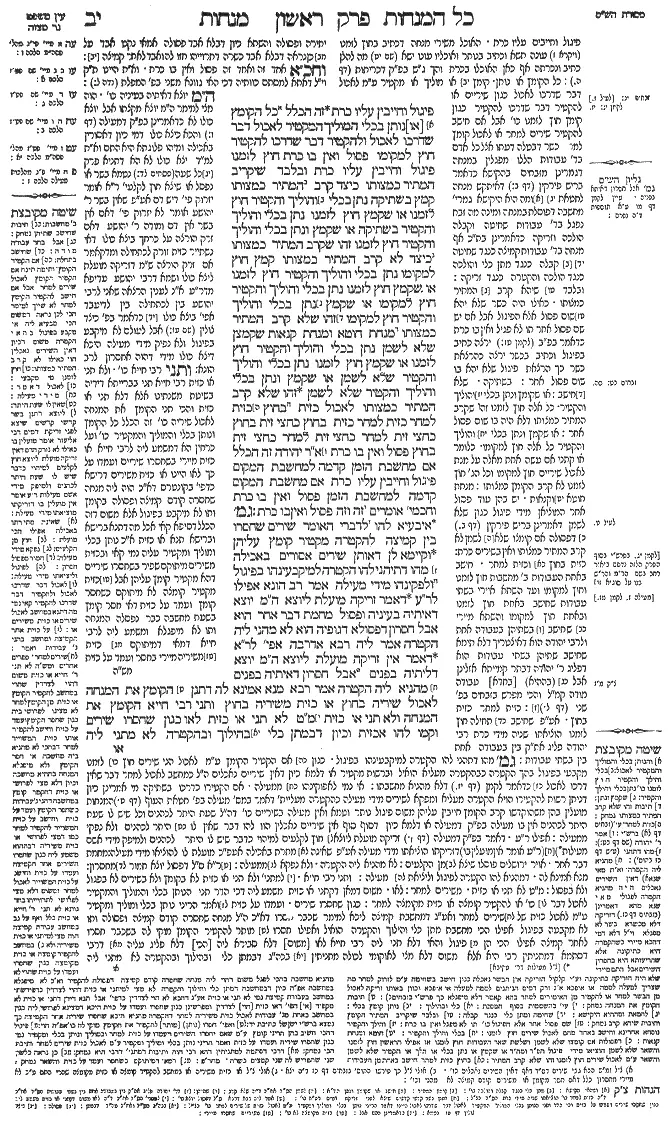
Menachot 12a - Guemara
פיגול וחייבין עליו כרת זה הכלל כל הקומץ [או] נותן בכלי המוליך המקטיר לאכול דבר שדרכו לאכול ולהקטיר דבר שדרכו להקטיר חוץ למקומו פסול ואין בו כרת חוץ לזמנו פיגול וחייבין עליו כרת ובלבד שיקריב המתיר כמצותו כיצד קרב המתיר כמצותו קמץ בשתיקה נתן בכלי והוליך והקטיר חוץ לזמנו או שקמץ חוץ לזמנו נתן בכלי והוליך והקטיר בשתיקה או שקמץ ונתן בכלי והוליך והקטיר חוץ לזמנו זהו שקרב המתיר כמצותו כיצד לא קרב המתיר כמצותו קמץ חוץ למקומו נתן בכלי והוליך והקטיר חוץ לזמנו או שקמץ חוץ לזמנו נתן בכלי והוליך והקטיר חוץ למקומו או שקמץ נתן בכלי והוליך והקטיר חוץ למקומו זהו שלא קרב המתיר כמצותו מנחת חוטא ומנחת קנאות שקמצן שלא לשמן נתן בכלי והוליך והקטיר חוץ לזמנו או שקמץ חוץ לזמנו נתן בכלי והוליך והקטיר שלא לשמן או שקמץ ונתן בכלי והוליך והקטיר שלא לשמן זהו שלא קרב המתיר כמצותו לאכול כזית בחוץ כזית למחר כזית למחר כזית בחוץ כחצי זית בחוץ כחצי זית למחר כחצי זית למחר כחצי זית בחוץ פסול ואין בו כרת א"ר יהודה זה הכלל אם מחשבת הזמן קדמה למחשבת המקום פיגול וחייבין עליו כרת אם מחשבת המקום קדמה למחשבת הזמן פסול ואין בו כרת וחכמי' אומרים זה וזה פסול ואין בו כרת:
גמ׳ איבעיא להו לדברי האומר שירים שחסרו בין קמיצה להקטרה מקטיר קומץ עליהן וקיימא לן דאותן שירים אסורים באכילה מהו דתיהני להו הקטרה למיקבעינהו בפיגול ולפקינהו מידי מעילה אמר רב הונא אפילו לר"ע דאמר זריקה מועלת ליוצא ה"מ יוצא דאיתיה בעיניה ופסול מחמת דבר אחר הוא אבל חסרון דפסולא דגופיה הוא לא מהני ליה הקטרה אמר ליה רבא אדרבה אפי' לר"א דאמר אין זריקה מועלת ליוצא ה"מ יוצא דליתיה בפנים אבל חסרון דאיתיה בפנים מהניא ליה הקטרה אמר רבא מנא אמינא לה דתנן הקומץ את המנחה לאכול שיריה בחוץ או כזית משיריה בחוץ ותני רבי חייא הקומץ את המנחה ולא תני או כזית מ"ט לא תני או כזית לאו כגון שחסרו שירים וקמו להו אכזית וכיון דבמתן כלי בהילוך ובהקטרה לא מתני ליה
Comments from Rashi on Masechet Menachot Page 12a
פיגול וחייבים עליו כרת . האוכל משירי מנחה דכתיב בחוץ לזמנו (ויקרא ז) עונה תשא וכתיב בנותר ואוכליו עונו ישא (שם יט) מה להלן כתיב ונכרתה אף כאן האוכלו בכרת והך ג"ש בפ"ק דכריתות (דף ה.): כל הקומץ או נותן . קומץ או מוליך או מקטיר ע"מ לאכול דבר שדרכו לאכול כגון שיריים או להקטיר דבר שדרכו להקטיר כגון קומץ חוץ לזמנו כו' אבל אם חישב להקטיר שירים למחר או לאכול קומץ למחר כשר דבטלה דעתו אצל כל אדם בד' עבודות הללו מפגלין במנחה דגמרינן מזבחים בהקישא כדאמר בריש פירקין (דף ב:) דאיתקש מנחה לחטאת ומה היא היקישא גמרי' מחשבה דפוסלת במנחה ומינה מה זבח נפגל בד' עבודות שחיטה וקבלה הולכה וזריקה כדאמרינן בת"כ אף מנחה בד' עבודות קמיצה כנגד שחיטה קבלה כנגד מתן כלי והולכה כנגד הולכה והקטרה כנגד זריקה: ובלבד שיהא קרב המתיר כמצותו . כאילו היה כשר שלא יהא שום פסול אלא הפיגול אבל אם יש שם פסול אחר תו לא פגיל ואין בו כרת כדאמר בפ"ב (לקמן מנחות טז:) ירצה כתיב בפיגול וכתיב בכשר ירצה כהרצאת כשר כך הרצאת פיגול שלא יהא בו שום פסול אחר: בשתיקה . שלא חישב: או שקומץ ונתן בכלי והוליך והקטיר . כל אלה חוץ לזמנו זהו שקרב המתיר כמצותו דלא היה בו שום פסול אחר: או שקמץ ונתן בכלי והוליך והקטיר כל אלה חוץ למקומו . כלומר או קתני אם עשה אחת מאלה על מנת לאכול שיריים חוץ למקומו וכל הג' חוץ לזמנו לא קרב הקומץ כמצותו: מנחת חוטא וקנאות . יש בהן עוד פסול אחר המוציאן מידי פיגול כגון שלא לשמן דאמרינן בריש פירקין (דף ב.) דפסולה אם קומצו שלא לשמן לא קרב המתיר כמצותו ואין בשירים כרת: כזית בחוץ וכזית למחר . חישב באחת העבודות ב' מחשבות חוץ לזמנו וחוץ למקומו ועד השתא איירי בשתי עבודות שחישב באחת חוץ לזמנו ובאחת חוץ למקומו והשתא מיירי שחישב בשתיהן בעבודה אחת ולרבי יהודה הוא דאיצטריך דלא תימא שחישב שתיהן בשתי עבודות הוא דפליג ר' יהודה דבתר קמייתא אזלינן אבל (בההיא) [בחדא] עבודה מודה קמ"ל והכי מפרש בזבחים בפ' שני (דף ל.): כזית למחר כזית בחוץ . אע"פ שחישב תחילה חוץ לזמנו הוציאתו שניה מידי כרת רבי יהודה פליג את"ק בין בעבודה אחת בין בשתי עבודות: גמ' מהו דתהני להו הקטרה למיקבעינהו בפיגול . כגון אם הקטיר הקומץ ע"מ לאכול הני שירים חוץ לזמנו מקבעי בפיגול בהך הקטרה כבהקטרה מעליא הואיל וברשות מקטיר או דלמא כיון דאין שיריים נאכלים ה"ל כמחשב לאכול למחר דבר שאין דרכו לאכול כדאמר לקמן (מנחות דף יז.) דלא מהניא מחשבתו: אי נמי לאפוקינהו ממעילה . אם הקטירו כדרכו בשתיקה מי אמרינן כיון דניתן רשות להקטירו הויא הקטרה מעליא ומפקא לשירים מידי מעילה כהקטרה מעליית' דאמר במס' מעילה בפ' חטאת העוף (דף ט.) המנחות מועלין בהן משהוקדשו קרב הקומץ חייבין עליהן משום פיגול נותר וטמא ואין מעילה בשיריים כו' דה"ל שעת היתר לכהנים וכל שיש לו שעת היתר לכהנים אין בו מעילה בפ"ק דמעילה או דלמא כיון דסוף סוף אין שיריים נאכלין הוו להו דבר שאין לו היתר לכהנים ולא נפקי ממעילה: אפילו ר"ע . דאמר בפ"ק דמעילה (דף ז.) זריקה מועלת ליוצא חוץ לקלעים למיהוי כדבר שיש לו היתר לכהנים ולמיפק מידי אשם מעילות (ר"ע אומר אין מועלין בו) דזריקתו הוציאתו מידי מעילה אע"פ שאינה מתרת באכילה אעפ"כ מועלת לו להוציאו מידי מעילה: מחמת דבר אחר . אויר ירושלים פוסלו שיצא מן הקלעים: לא מהניא ליה הקטרה . ולא נפקא ממעילה: ר"א ס"ל דפסול יוצא חמור מחסרון: מנא אמינא לה . דמהניא להו הקטרה לפיגול וליציאת מעילה: ותני רבי חייא . למתני' ולא תני או כזית לא בקומץ ולא בשירים לא בפגול ולא בפסול: מ"ט לא תני או כזית . משירים למחר: לאו . משום דמאן דקתני או כזית משמע ליה דכי הדר תני הנותן בכלי והמוליך והמקטיר לאכול דבר כו' או להקטיר קומצה או כזית מקומצה למחר: כגון שחסרו שירים . ועמדו על כזית ואמר הריני נותן בכלי ומוליך ומקטיר ע"מ לאכול כזית של שירים למחר ואע"ג דמחשבת קמיצה ליכא למימר שכבר חסרו דא"כ ה"ל מנחה שחסרה קודם קמיצה ופסולה ותו לא מקבעה בפיגול אפילו הכי מחשבת מתן כלי והילוך והקטרה הואיל ואפילו חסרו מותר להקטיר הקומץ מוקי לה בשכבר חסרו לאחר קמיצה אפילו הכי הן פיגול והאי דלא תני ליה רבי חייא לאו [משום] דלא סבירא ליה [הכי] דלא פליג עליה דרבי דסתמא דמתניתין רבי היא אלא משום דלא מצי לאוקומי לכולה מתניתין בכה"ג דבמתן כלי ובהילוך ובהקטרה לא מתני ליה או כזית דכיון דמחשבת ג' עבודות הללו מוקמינן בשכבר חסרו השירים ועמדו על כזית הילכך לא מצי למיתניי' או כזית מקומצו למחר דומיא דשירים דאם חיסר קומץ בשעת מחשבה כבר פסולה ולא מיפגל מנחה בההיא מחשבה הילכך כיון דלא מיתני ליה או כזית מקומצה לא תנא כזית בשירים ורישא כי חשיב בקמיצה דמיתני ליה או כזית אף בקומץ דההיא ודאי בשלא חסרה עדיין מתוקמא אפ"ה כיון דסיפא לא מיתני ליה אקומץ לא תני ליה ברישא אפילו אשירים:
Comments from Rashbam - Menachot 12a
דקדוק שפירשו ה"ר מאיר וה"ר שמואל בנו זלה"ה: וקיימא לן דאותן שירים אסורין באכילה . ואי הוו מותרים הוי קומץ מפגל ואי הוו פסולים לגמרי כגון דנטמאו או חישב עליהם לאכלן חוץ למקומן תו לא מצי למידק בעיא בפיגול דהא לא קרב המתיר כמצותו אבל היכא דחסרי מי אמרינן הואיל ואיתנהו קצת לא חשיב פסול וכמו שקרב מתיר כמצותו דמי ויכול לקובעו בפיגול בהקטרת קומץ שאם חישב בשעת הקטרה לאכול שיריים למחר אית בהו פיגול בשיריים או דלמא הואיל ואבודין באכילה הוי כמחשב לאכול דבר שאין דרכו לאכול: ולאפקועינהו מידי מעילה . דאילו קדשי קדשים מועלין בכל הזבח קודם זריקה אבל משנזרק הדם אימורים לגבוה והבשר לכהנים ואין מעילה אלא באימורין שהן חלק המזבח והבשר אין בו מעילה וגבי מנחה נמי קודם הקטרה יש מעילה אפי' בשירים ולאחר הקטרה אין מעילה בשירים כדתנן בפרק חטאת העוף (מעילה דף ט.) המנחות מועלין בהן משהוקדשו קרב הקומץ חייבין עליהם משום פיגול ונותר וטמא ואין מועלים בשירים וקא מיבעיא להו מהו דתיהוי הך הקטרה דומה לשאר הקטרות למפקע שירים מידי מעילה: אפי' לר' עקיבא דאמר זריקה מועלת . דתנן (שם דף ו:) בשר קדשי קדשים וכו' ר"ע אומר אין מועלין בו וחייבין עליו משום פיגול ונותר וטמא דזריקת דם מועלת ליה לקבוע בפיגול ולהוציאתו מידי מעילה אע"פ שאינה מתירתו באכילה: מחמת דבר אחר . שיצאו דבאימורין גופייהו ליכא שום פסול: אפי' לר' אליעזר . דפליג אדרבי עקיבא: מנא אמינא לה דתנן הקומץ כו' זה הכלל כו' עד פיגול וחייבים עליו כרת . דאם חישב באחת מן העבודות להקטיר קומצה למחר או כזית מקומצה למחר או לאכול שיריה למחר או כזית משיריה למחר פיגול וחייבין עליו כרת ותני ר' חייא במתניתיה הקומץ את המנחה לאכול שיריה למחר פיגול אבל לאכול כזית משיריה למחר פיגול לא קתני מ"ט לא תני כזית משיריה דהא אכתי לא חסרו שירים עד לאחר קמיצה דאי חסרו קודם קמיצה הויא לה מנחה פסולה ואינה נקמצת כלל ומאי טעמא לא תני או כזית משיריה למחר: לאו כגון דאיתרמי מילתא דחסרו שיריים אחר קמיצה . וקמו להו אכזית וכיון דבמתן כלי ובהילוך והקטרה לא מיתני או כזית משיריה למחר דהא כבר חסרו להו ולא הוי מצי למיתני הריני מוליך או מקטיר לאכול שיריה למחר או כזית משיריה למחר דהא שירים וכזית משירים חדא מילתא היא ולא איתרמי ליה כזית דהא חסרו להו אחר קמיצה וקמו להו אכזית הלכך בקמיצה נמי לא תני או כזית הכי גרסינן בקמיצה נמי לא תני או כזית ול"ג בשיריה:
Comments from Tosafot - Menachot 12a
וחכ"א אחד זה ואחד זה פסול ואין בו כרת. וא"ת היינו ת"ק וי"ל דאתא למסתם כוותיה דכי האי גוונא משני בפ' המפלת (נדה ל:): ה"מ יוצא דאיתיה בעיניה כו'. הוה מצי למימר ה"מ יוצא מקצתו אבל יוצא כולו לא כדאמרינן בפ"ק דמעילה (דף ו:) והכא כיצא כולו דמי כיון דאסורין באכילה ומיהו פלוגתא היא התם וא"ת למ"ד יצא כולו לא הא דתניא פרק כל שעה (פסחים לד:) נטמא בשר או נפסל או שיצא חוץ לקלעי' ר"א אומר יזרוק פי' דיש דם אע"פ שאין בשר ר' יהושע אומר לא יזרוק פי' דאם אין בשר אין דם ומודה ר' יהושע דאם זרק הורצה על כרחך ביצא כולו דאי נשתייר כזית זורק לכתחילה ומדקאמר אם זרק הורצה ש"מ דזריקה מועלת ליצא כולו ושמא דרבי יהושע עדיפא מדר"ע א"נ לענין הרצאה שאני לרבי יהושע בין לכתחילה בין לדיעבד אפי' ביצא כולו כדאמר בפ' כיצד צולין (שם עז:) אבל לעולם לא מיקבע בפיגול ולא נפיק מידי מעילה היכא דיצא כולו מידי דהוה אחסרון לרב הונא: ותני רבי חייא כו'. ולא תני או כזית רבי חייא תני בברייתא דידיה בשיטת משנתינו אלא דלא תני או כזית והכי תני הקומץ את המנחה לאכול שיריה כו' זה הכלל כל הקומץ ונותן בכלי והמוליך והמקטיר כו' ועל כרחין הא דמשמע ליה לרבי חייא או כזית מיירי בשחסרו שיריים ועמדו על כך לאו היינו או כזית משירים דרישא כדפי' בקונטרס דא"כ הוה ליה מנחה שחסרה קודם קמיצה ופסולה בקומץ ותו לא מיקבע בפיגול אלא משום דזה הכלל דסיפא קאי אכל מה דתנא ברישא וברישא תנא או כזית א"כ נותן בכלי ומוליך ומקטיר עליה נמי קאי ובכזית משירים מיתוקם שפיר בשחסרו שיריים דהא מקטיר קומץ עליהן אבל כזית מקטיר קומצה לא מיתוקם כשחסר קומץ ועמד על כזית דאי חסר קומץ בשעת מחשבה כבר נפסלה המנחה ותו לא מיפגלא ומשמע ליה לרבי חייא דמאי דמיתוקם כזית משיריה מיירי בחסר ועמד על כזית מש"ה לא תני רבי חייא או כזית ברישא משום דבסיפא במתן כלי והילוך והקטרה לא מיתני ליה או כזית בקומצה או כזית בשיריה פירוש אפי' בשירים לא מיתני ליה או כזית משום דלא מיתני אקומץ לא תני ליה כזית ברישא ומה שכתוב בספרים בשירים נמי לא גרס נמי אבל תנא דמתני' לא חייש ותני ליה ברישא אע"ג דבסיפא לא הוי בשיריה:
Menachot 12a - Mishnah translated into english
the offering is piggul, and one is liable to receive karet for partaking of the remainder of that meal offering.
This is the principle: In the case of anyone who removes the handful, or places the handful in the vessel, or who conveys the vessel with the handful to the altar, or who burns the handful on the altar, with the intent to partake of an item whose typical manner is such that one partakes of it, e.g., the remainder, or to burn an item whose typical manner is such that one burns it on the altar, e.g., the handful or the frankincense, outside its designated area, the meal offering is unfit but there is no liability for karet. If his intent was to do so beyond its designated time, the offering is piggul and one is liable to receive karet on account of it, provided that the permitting factor, i.e., the handful, was sacrificed in accordance with its mitzva. If the permitting factor was not sacrificed in accordance with its mitzva, although the meal offering is unfit, the prohibition of piggul does not apply to it.
How is the permitting factor considered to have been sacrificed in accordance with its mitzva? If one removed the handful in silence, i.e., with no specific intent, and placed it in the vessel, conveyed it, and burned the handful on the altar, with the intent to partake of the remainder beyond its designated time; or if one removed the handful with the intent to partake of the remainder or burn the handful or frankincense beyond its designated time, and placed it in the vessel, and conveyed it, and burned the handful on the altar in silence, with no specific intent; or if one removed the handful and placed it in the vessel, conveyed it, and burned the handful on the altar, with the intent to partake of the remainder beyond its designated time, that is the case of an offering whose permitting factor was sacrificed in accordance with its mitzva, and one is liable to receive karet for partaking of it due to piggul.
How is the permitting factor not sacrificed in accordance with its mitzva? If one removed the handful with the intent to partake of the remainder or burn the handful or frankincense outside its designated area, or placed it in the vessel, conveyed it, and burned the handful on the altar, with the intent to partake of the remainder beyond its designated time; or if one removed the handful with the intent to partake of the remainder or burn the handful or frankincense beyond its designated time, and placed it in the vessel, conveyed it, and burned the handful on the altar, with the intent to partake of the remainder outside its designated area; or if one removed the handful and placed it in the vessel, and conveyed it, and burned the handful on the altar, with the intent to partake of the remainder outside its designated area, that is the case of an offering whose permitting factor was not sacrificed in accordance with its mitzva.
The meal offering of a sinner and the meal offering of jealousy brought by a sota that one removed their handful not for their sake and placed it in the vessel, conveyed it, and burned the handful on the altar, with the intent to partake of the remainder or burn the handful beyond its designated time; or that one removed the handful with the intent to partake of the remainder or burn the handful beyond its designated time or placed it in the vessel, conveyed it, and burned the handful on the altar, not for their sake; or that one removed the handful, and placed it in the vessel, and conveyed it, and burned the handful on the altar, not for their sake, that is the case of an offering whose permitting factor was not sacrificed in accordance with its mitzva.
If one performed one of these rites with the intent to partake of an olive-bulk outside its designated area and an olive-bulk the next day, or an olive-bulk the next day and an olive-bulk outside its designated area, or half an olive-bulk outside its designated area and half an olive-bulk the next day, or half an olive-bulk the next day and half an olive-bulk outside its designated area, the offering is unfit but there is no liability for karet.
Rabbi Yehuda says that this is the principle: If the intent with regard to the time preceded the intent with regard to the area, the offering is piggul and one is liable to receive karet on account of it. If the intent with regard to the area preceded the intent with regard to the time, the offering is unfit but there is no liability for karet. And the Rabbis say: In both this case, where the intent with regard to time was first, and that case, where the intent with regard to area came first, the offering is unfit but there is no liability for karet.
GEMARA: A dilemma was raised before the Sages: According to the statement of the one who says that if the remainder of a meal offering became lacking between the removal of the handful and the burning of the handful on the altar the priest nevertheless burns the handful on account of such a meal offering, and as we maintain that despite the fact that the handful is burned on account of it that remainder is prohibited for consumption, what is the halakha with regard to piggul? Should the burning of the handful be effective in establishing such a remainder as piggul when the handful was burned with the intent to partake of the remainder the next day?
And similarly, is the burning of the handful effective in removing such a remainder from being subject to misuse of consecrated property, just as a complete remainder is removed from being subject to this prohibition after the burning of the handful, when it becomes permitted to the priests for consumption?
Rav Huna said: Even according to the opinion of Rabbi Akiva, who says that the sprinkling of the blood of an offering, which renders its meat permitted for consumption and removes it from being subject to misuse of consecrated property, is effective in removing the meat of an offering that left the Temple courtyard from being subject to misuse of consecrated property despite the fact that such meat is prohibited for consumption, that statement applies only when the meat was disqualified by means of leaving.
Rav Huna explains: The reason is that the meat remains as is, and the disqualification of the meat by means of leaving is on account of something else, i.e., a factor external to the meat itself. But in the case of a lack in the measure of the remainder of a meal offering, which is a disqualification on account of itself, the burning of the handful is not effective in removing the remainder from being subject to misuse of consecrated property, nor to establish it as piggul.
Rava said to Rav Huna: On the contrary; even according to the opinion of Rabbi Eliezer, who says that sprinkling is not effective in removing the meat that left the Temple courtyard from being subject to misuse of consecrated property, that statement applies only when the meat was disqualified by means of leaving, as the meat is not inside the Temple courtyard where the sprinkling could be effective for it. But with regard to a lack in the measure of the remainder of a meal offering that is inside the Temple courtyard, the burning of the handful is effective in removing the remainder from being subject to misuse of consecrated property as well as in establishing it as piggul.
Rava said: From where do I say that even remainders that lack a full measure can be rendered piggul? This can be inferred from that which we learned in the mishna: With regard to one who removes a handful from the meal offering with the intent to partake of its remainder outside the Temple courtyard or to partake of an olive-bulk of its remainder outside the Temple courtyard, the meal offering is unfit but there is no liability for karet, and if he removes a handful from the meal offering with the intent to partake of its remainder beyond the designated time or to partake of an olive-bulk of its remainder beyond the designated time the offering is piggul and one is liable to receive karet for partaking of the remainder of that meal offering. And Rabbi Ḥiyya teaches in his version of the mishna: One who removes a handful from the meal offering with the intent to partake of its remainder, and he does not teach: Or an olive-bulk of its remainder.
Rava continues: What is the reason that Rabbi Ḥiyya diverged from the standard text of the mishna and did not teach: Or an olive-bulk? Is it not because his mishna is discussing a case where the remainder later became lacking and its measure stood at an olive-bulk? And therefore Rabbi Ḥiyya did not include the clause: Or an olive-bulk, since later in the mishna, with regard to the placement of the handful in a vessel, and with regard to the conveyance of the vessel to the altar, and with regard to the burning of the handful, he could not teach the phrase:
Traduction : The William Davidson digital edition of the Koren Noé Talmud, with commentary by Rabbi Adin Even-Israel Steinsaltz.